Mountain biking is an exhilarating sport that offers kids a fantastic way to explore the outdoors, build confidence, and stay active. But with every thrilling descent and challenging climb comes the non-negotiable need for protection, and at the heart of that protection lies the Youth Mountain Bike Helmet. It’s more than just a piece of gear; it’s a child’s first line of defense, ensuring their brain is safeguarded against the unpredictable nature of the trail. For parents, understanding the nuances of these helmets is crucial to making an informed decision that prioritizes safety, comfort, and durability.
Investing in a high-quality youth mountain bike helmet means investing in peace of mind. As young riders push their limits and develop new skills, the risk of falls increases, making a helmet designed specifically for the demands of mountain biking an absolute necessity. From absorbing impacts to offering enhanced coverage, modern helmets are packed with technologies aimed at keeping those precious heads safe.
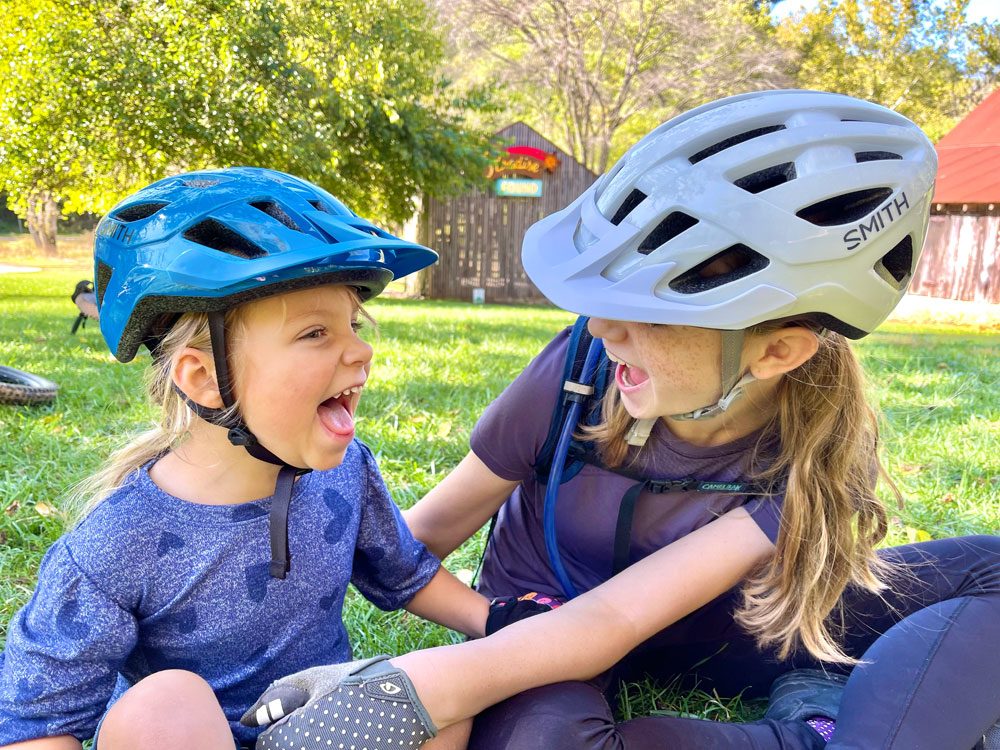
The Unsung Hero: Why a Youth Mountain Bike Helmet is Non-Negotiable
Just like adults, young mountain bikers face unique challenges on the trail, from roots and rocks to unexpected spills. A standard recreational helmet might suffice for casual neighborhood rides, but mountain biking introduces higher speeds, rougher terrain, and different impact angles. This is where a specialized youth mountain bike helmet truly shines, providing targeted protection where it’s needed most. It’s about mitigating the risks so kids can fully embrace the joy of riding.
Moreover, leading by example is paramount. When parents consistently wear their helmets, it normalizes the habit for children, making it less of a chore and more of a natural part of their riding routine. Instilling this safety culture early on ensures that wearing a helmet becomes second nature, no matter how thrilling the adventure.
Decoding Safety: Materials, Technologies, and Certifications
Modern youth mountain bike helmets are marvels of engineering, designed to absorb and dissipate impact forces effectively. The core of most helmets is expanded polystyrene (EPS) foam, which crushes upon impact to cushion the blow. This is typically encased in a hard outer shell, often made from polycarbonate or ABS, which helps distribute the force over a wider area and protects the foam from everyday nicks and scrapes.
Beyond these fundamental components, advanced technologies offer enhanced protection:
- MIPS (Multi-directional Impact Protection System): This widely adopted technology features a low-friction layer inside the helmet that allows the helmet’s outer shell to slide relative to the head during an angled impact. This movement is designed to reduce rotational forces that can be transmitted to the brain, offering an extra layer of defense against certain types of crashes.
- WaveCel and Leatt 360° Turbine: These are alternative rotational impact protection systems. WaveCel, for instance, uses a collapsible cellular structure, while Leatt’s 360° Turbine technology employs small discs that harden on impact and deform to absorb both linear and rotational energy. Each aims to achieve a similar goal: minimize the risk of brain injury from oblique impacts.
Understanding helmet certifications is also vital. In the U.S., the CPSC (Consumer Product Safety Commission) standard is mandatory for all bicycle helmets sold. This certification ensures a baseline level of safety. However, for more aggressive mountain biking, particularly downhill or enduro, look for helmets that meet the ASTM F1952 standard. This certification is specific to downhill mountain bike racing helmets and signifies a higher level of impact protection, particularly for chin bar integrity in full-face models. When choosing a youth mountain bike helmet, verifying these certifications provides assurance that the helmet has undergone rigorous testing.
The Perfect Fit: A Step-by-Step Guide to Choosing and Adjusting Your Youth Mountain Bike Helmet
A helmet, no matter how technologically advanced, is only effective if it fits correctly. For a youth mountain bike helmet, getting the fit right is even more critical because children are still growing, and an ill-fitting helmet can be uncomfortable or, worse, unsafe.
Measuring for Success
Start by measuring your child’s head circumference. Use a soft measuring tape and wrap it horizontally around the widest part of their head, just above the eyebrows and ears. Compare this measurement to the helmet manufacturer’s size chart. Don’t rely solely on age; head sizes vary significantly among children. If your child falls between sizes, it’s often best to try on both to see which offers a snugger, more comfortable fit.
The “2V1” Rule for Optimal Fit
Once you have a helmet, follow this simple “2V1” rule to ensure a proper fit:
- Two Fingers: There should be no more than two fingers’ width between your child’s eyebrows and the bottom edge of the helmet. The helmet should sit level, not tilted back.
- “V” Straps: The straps should form a “V” shape just below your child’s ears when buckled. They should be snug but not uncomfortably tight, allowing for full ear movement.
- One Finger: You should be able to slide only one finger between the chin strap and your child’s chin. The strap should be secure enough to prevent the helmet from rocking excessively forward, backward, or side-to-side.
Adjustability for Growing Heads
Many youth mountain bike helmets feature adjustable dial-fit systems (like Giro’s Roc Loc Jr.) at the back, allowing you to fine-tune the fit as your child grows. Some also come with interchangeable padding thicknesses for a more custom feel. Ensure these adjustment mechanisms are easy for both you and your child to operate.
Comfort is key to compliance. A helmet that pinches, is too hot, or obstructs vision will likely be resisted. Look for plush internal padding and a design that accommodates ponytails if your child has longer hair.
|
Our Picks for the Best Bike Helmet in 2026
As an Amazon Associate I earn from qualifying purchases.
|
||
| Num | Product | Action |
|---|---|---|
| 1 | Schwinn Thrasher Helmet for Adults, Size 58-62 cm for Riders Ages 14+, Microshell, Adjustable Dial & Straps, Interior Padding, Air Vents, Lighted or Unlit, Visor, Adult Bike Helmet |

|
| 2 | 80SIX Triple Certified Multisport Helmet - Ideal for Bike, Scooter, Skateboard, Roller Skate and Inline Skate |
|
| 3 | Retrospec Dakota Adult Bike Helmet for Men & Women - Multi-Sport Protection with ABS Shell, EPS Foam, 10 Vents & Removable Washable Padding for BMX, Skating, Scooter and Skate - Helmets for Adults |
|
| 4 | Exclusky Bike Helmet Mountain Bike Helmet for Adults Lightweight MTB Cycling Helmet for Men Women Adjustable Bicycle Helmet with Visor |
|
| 5 | 80SIX Triple Certified Multisport Helmet - Ideal for Bike, Scooter, Skateboard, Roller Skate and Inline Skate |
|
| 6 | XNITO Bike Helmet with LED Lights - Urban Bicycle Helmet for Adults, Men & Women - CPSC & NTA-8776 Dual Certified - Class 3 E-Bikes, Scooters, Onewheel, Commuter, Mountain |
|
| 7 | Giro Isode MIPS |
|
| 8 | Kids Bike Helmet, Adjustable and Multi-Sport, from Toddler to Youth, 3 Sizes |
|
| 9 | Findway Pro Bike Helmet for Adults,Adjustable Cycling Helmet for Men & Women [Safety Certified] Bicycle Helmet for Commuting, Road Biking, Skating with Adjustable Dial |
|
| 10 | Retrospec Lennon Adult Bike Helmet with LED Safety Light Adjustable Dial & Removable Visor - Adjustable Bicycle Cycling Helmet for Men & Women |
|
Beyond the Basics: Features and Styles for Every Young Rider
Modern youth mountain bike helmets come with a variety of features and styles tailored to different riding preferences and safety needs.
Ventilation
Mountain biking can be strenuous, and adequate ventilation is crucial to prevent overheating. Look for helmets with ample vents that allow air to flow through, keeping your child’s head cool and comfortable during long rides, especially in warmer climates.
Visors
Most mountain bike helmets feature a visor. Integrated visors offer protection from sun, rain, and trail debris. For more aggressive riding, some youth helmets include breakaway visors that are designed to detach during a crash, reducing the risk of snagging and rotational forces.
Buckle Systems
While traditional buckles are common, magnetic buckles are gaining popularity for their ease of use, especially for smaller hands. They allow kids to quickly and securely fasten their helmets, fostering independence.
Extended Rear Coverage
A good youth mountain bike helmet for trail riding will often feature extended coverage at the back of the head and temples. This design provides additional protection for areas commonly exposed to impact during mountain biking falls. It also makes the helmet more comfortable for kids riding in bike trailers or seats by preventing it from being pushed forward.
Open-Face vs. Full-Face vs. Convertible
- Open-Face Helmets: These are the most common style, offering excellent ventilation and lightweight comfort for general trail riding, cross-country, and even casual use. They provide solid protection for the top and sides of the head.
- Full-Face Helmets: For young shredders tackling downhill tracks, bike parks, or more aggressive enduro trails, a full-face youth mountain bike helmet is highly recommended. These helmets offer comprehensive protection for the entire head, including the chin and face, and are often ASTM F1952 certified. While heavier, the added security is invaluable for high-speed, high-impact scenarios.
- Convertible Helmets: These versatile options offer the best of both worlds. They typically feature a removable chin bar, allowing the helmet to transform from an open-face trail helmet to a full-face downhill helmet. This adaptability is great for kids who explore various types of riding and can save parents from buying two separate helmets.
Nurturing the Habit: Tips for Encouraging Consistent Helmet Use
Getting kids to wear their helmets isn’t always a battle, but it does require consistency and positive reinforcement.
- Lead by Example: Always wear your own helmet when riding, even on short trips. Kids learn best by observing.
- Make it Comfortable: Ensure the helmet fits perfectly and is comfortable. Discomfort is a leading cause of helmet resistance.
- Involve Them in the Choice: Let your child pick their youth mountain bike helmet (from a selection of safe options, of course). If they like the style and color, they’re more likely to wear it.
- Make it Fun: Decorate the helmet with stickers or give it a fun name. Turn it into a personalized piece of gear.
- Explain the “Why”: For older kids, have an honest, age-appropriate conversation about the importance of head protection. Share stories (if applicable) about why helmets are so crucial.
- “No Helmet, No Ride”: Establish this rule early and stick to it without exception. Consistency is key.
When to Replace a Youth Mountain Bike Helmet
Helmets are designed for a single impact. If your child’s youth mountain bike helmet sustains a significant hit, even if there’s no visible damage, it should be replaced immediately. The EPS foam inside can compress and lose its protective capabilities. Similarly, if a helmet is dropped onto a hard surface from a significant height, it’s wise to consider replacement. Helmets also have a general lifespan, typically 3-5 years, as materials can degrade over time due to UV exposure and general wear and tear.
Expert Insights on Youth Helmet Safety
“Choosing the right youth mountain bike helmet isn’t just about meeting safety standards; it’s about matching the helmet to the rider’s activity level and ensuring an impeccable fit,” advises Dr. Eleanor Vance, a pediatric sports medicine specialist and avid cyclist. “For aggressive trail riding or downhill, the enhanced coverage of a full-face helmet or one with advanced rotational protection like MIPS is a game-changer. Parents should also regularly check the fit as children grow, as a snug, stable helmet is the most effective.”
The Road Ahead: Maintaining and Caring for Your Youth Mountain Bike Helmet
Proper care extends the life and effectiveness of your child’s youth mountain bike helmet.
- Cleaning: Regularly clean the helmet’s exterior with mild soap and water. Removable internal pads can often be hand-washed or machine-washed on a gentle cycle to keep them fresh and free of sweat build-up.
- Storage: Store the helmet in a cool, dry place away from direct sunlight or extreme temperatures, which can degrade materials over time. Avoid leaving it in a hot car.
- Inspection: Periodically inspect the helmet for any signs of damage, such as cracks in the shell, compressed foam, frayed straps, or malfunctioning buckles. Any significant damage warrants immediate replacement.
Frequently Asked Questions About Youth Mountain Bike Helmets
What age should kids start wearing MIPS helmets?
While there’s no specific age, MIPS technology is beneficial for riders of all ages, including youth, as it addresses rotational forces during angled impacts. If budget allows, choosing a youth mountain bike helmet with MIPS or a similar rotational protection system is always a good idea, regardless of age.
How do I know if the youth mountain bike helmet fits correctly?
A correctly fitted youth mountain bike helmet should sit level on the head, covering the forehead without tilting back. It should be snug enough not to shift more than an inch in any direction (front-to-back or side-to-side) when the chin strap is unbuckled. The “2V1” rule (two fingers above eyebrows, V-straps below ears, one finger under chin strap) is an excellent guide.
When should a youth mountain bike helmet be replaced?
A youth mountain bike helmet should be replaced after any significant impact, even if there’s no visible damage, as the internal foam may be compromised. It should also be replaced if it’s outgrown, showing signs of wear and tear (cracks, frayed straps), or after approximately 3-5 years, due to material degradation.
Are full-face helmets necessary for all mountain biking for kids?
Full-face helmets are not necessary for all types of youth mountain biking. For casual trail riding or cross-country, an open-face youth mountain bike helmet with extended rear coverage is usually sufficient. However, for aggressive downhill riding, bike park sessions, or competitive racing, a full-face helmet that meets the ASTM F1952 standard is strongly recommended for superior protection of the face and chin.
What’s the difference between CPSC and ASTM F1952 certifications?
CPSC (Consumer Product Safety Commission) is the mandatory safety standard for all bicycle helmets sold in the U.S., establishing a basic level of impact protection. ASTM F1952 is a more rigorous standard specifically for downhill mountain bike racing helmets, demanding higher levels of impact absorption and chin bar integrity, making it ideal for the extreme forces encountered in aggressive gravity riding.
Embrace the Ride, Ride with Confidence
Equipping your child with the right youth mountain bike helmet is a foundational step in fostering a lifelong love for cycling. By understanding the importance of proper fit, advanced safety technologies, and suitable styles for different riding disciplines, parents can confidently choose a helmet that offers unparalleled protection. Encourage your young rider to embrace every trail, jump, and turn with the knowledge that their most valuable asset is safely guarded. The thrill of the ride is amplified when you have the confidence that comes from top-tier safety gear. So, get out there, explore, and let the adventures begin, knowing your young mountain biker is protected.