There’s an undeniable thrill that comes with dirt biking, especially for young riders discovering the excitement of off-road adventures. But before any engines roar or tires hit the dirt, there’s one piece of gear that stands above all others in importance: the Youth Dirt Bike Helmet. It’s not just a rule; it’s the ultimate safeguard, designed specifically to protect developing heads from the unpredictable nature of the trail. Getting the right helmet for your young rider isn’t just about ticking a box; it’s about investing in their safety, confidence, and continued joy in the sport.
The Unseen Guardian: Why a Youth Dirt Bike Helmet is Non-Negotiable
While the concept of head protection has evolved dramatically over decades, the core purpose remains the same: to mitigate injury. For young dirt bike enthusiasts, this protection is even more critical. Children’s bodies are still growing and are often more vulnerable to impact forces. A dedicated youth dirt bike helmet is engineered with these unique needs in mind, offering a scaled-down yet equally robust defense compared to adult versions. You might wonder if an adult helmet could work, but experts consistently advise against it, as youth helmets offer a proper fit and weight distribution for smaller heads, though for older, larger youth who can handle the weight, an adult helmet might provide a thicker EPS liner and enhanced safety.
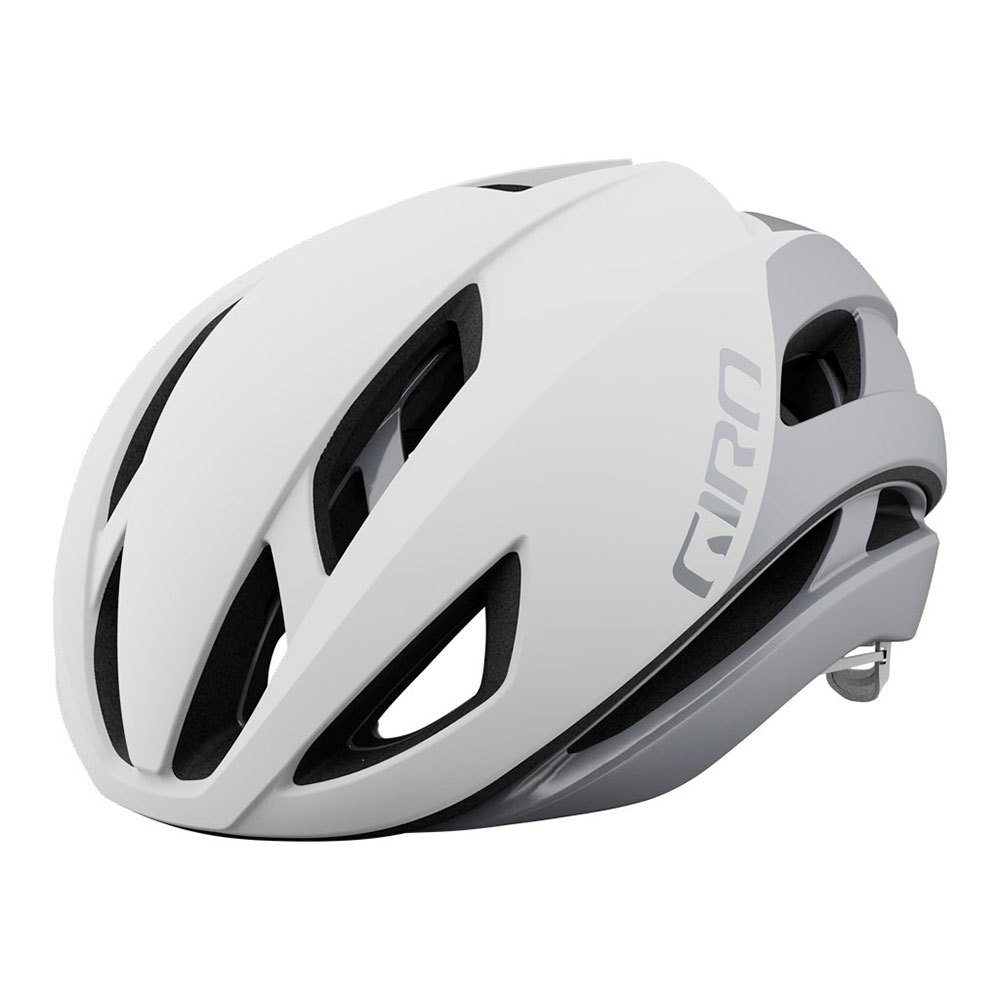
Dirt biking, whether on a controlled track or an adventurous trail, presents inherent risks, from minor tumbles to high-speed impacts. A quality helmet is the primary barrier against concussions, skull fractures, and other severe head injuries. It’s the silent guardian, allowing young riders to push their limits and explore with peace of mind.
Built to Protect: Materials and Technologies in Youth Dirt Bike Helmets
The journey from a raw concept to a protective youth dirt bike helmet involves a fascinating blend of materials and cutting-edge technology, all working in concert to keep young riders safe.
Shell Construction: The First Line of Defense
At the heart of any dirt bike helmet is its outer shell, the first component to absorb and disperse impact forces. For youth helmets, common materials include robust polycarbonate, poly alloy, and various composite blends. These materials strike an excellent balance between durability and a lightweight profile, which is crucial for preventing neck fatigue in young riders. While premium adult helmets might feature carbon fiber or fiberglass, youth-specific designs prioritize safety and performance tailored to lighter weights without breaking the bank.
Energy Absorption: The EPS Liner
Beneath the resilient outer shell lies the Expanded Polystyrene (EPS) foam liner, a critical component designed to absorb and cushion shock upon impact. This dense foam compresses to dissipate kinetic energy, significantly reducing the force transmitted to the rider’s head. It’s important to note that some youth helmets might feature a thinner EPS liner to keep the overall weight down, which is why for older or larger children who can comfortably manage it, an adult-sized helmet might offer a thicker, more protective EPS layer.
Advanced Safety Features: Beyond Basic Impact Protection
Modern youth dirt bike helmets often incorporate advanced technologies that go beyond direct impact absorption. One notable innovation is the Multi-directional Impact Protection System (MIPS), designed to reduce rotational forces that can occur during angled impacts. These rotational forces are particularly dangerous as they can lead to more severe brain injuries. A MIPS system typically consists of a low-friction layer inside the helmet, allowing the helmet to slide relative to the head during an angled impact, thereby redirecting harmful rotational energy.
Ventilation and Comfort: Staying Cool Under Pressure
Dirt biking is an intense activity, and overheating can quickly diminish a rider’s focus and comfort. That’s why effective ventilation is a key feature in youth dirt bike helmets. Strategically placed vents ensure consistent airflow, keeping the head cool and dry even during strenuous rides or in hot weather. Furthermore, many helmets come with removable and washable interior liners and cheek pads, often made from moisture-wicking materials. This not only enhances comfort but also makes it easy to keep the helmet fresh and hygienic after muddy, sweaty adventures.
Getting the Perfect Fit: Your Ultimate Youth Dirt Bike Helmet Sizing Guide
“As a parent and a lifelong rider, I’ve seen firsthand that the right gear isn’t just an accessory, it’s a lifeline,” says Dr. Elena Petrova, a sports safety specialist and motocross enthusiast. “For youth dirt bike helmets, precision in fit and adherence to safety standards are paramount. Never compromise on these, because every ride should end with a smile, not a hospital visit.”
Why Fit is Everything
The single most critical factor in a helmet’s effectiveness is its fit. An ill-fitting helmet, whether too loose or too tight, significantly compromises its ability to protect. A helmet that’s too loose can shift during a crash, exposing vulnerable areas or even coming off completely. One that’s too tight can cause uncomfortable pressure points, leading to distractions and discomfort that detract from the riding experience.
How to Measure for the Perfect Fit
Getting the right size starts with an accurate measurement of your child’s head. Here’s how to do it:
- Grab Your Tools: You’ll need a soft, flexible measuring tape. If you don’t have one, a piece of string and a ruler will work just as well.
- Position the Tape: Wrap the measuring tape around the widest part of your child’s head. This is typically about one inch (or 2.5 cm) above their eyebrows and ears, going around the back of the head at its largest circumference.
- Record the Measurement: Note the measurement in centimeters (or inches, then convert). This numerical value is your starting point.
- Consult Size Charts: Every helmet manufacturer has its own specific sizing chart. Always compare your child’s head measurement to the chart provided by the brand you’re considering, as sizes can vary.
Understanding Head Shapes
It might sound surprising, but heads aren’t all the same shape! Helmets are often designed to accommodate different head profiles: round oval, intermediate oval (most common), and long oval. Trying on various brands can help you find one that best matches your child’s head shape, ensuring a comfortable fit without pressure points.
The “Shake Test” and Other Fit Checks
Once you have a helmet, it’s time for the ultimate fit test:
- Snugness: The helmet should feel snug all around, with even pressure across the sides and top of the head. The cheek pads should gently press against your child’s face, but not so tightly that they bite their cheeks when speaking.
- Level Position: The helmet should sit level on their head, with the front edge about one inch above their eyebrows.
- No Movement: With the chin strap securely fastened, try gently shaking your child’s head from side to side and up and down. The helmet should stay firmly in place and not shift or wiggle around. If it moves easily, it’s too big.
- Chin Strap Security: The chin strap should be snug under the chin, allowing just one finger to fit between the strap and the chin. When fastened, the helmet should not be able to be rolled off the head.
Growth & Sizing Up: A Common Dilemma
A common mistake parents make is buying a helmet that’s too large, hoping their child will “grow into it.” This is a significant safety hazard; a loose helmet provides inadequate protection. While some brands offer adjustable internal padding, the primary goal is always a secure fit now. For growing children, if they fall between sizes, it’s generally safer to round down to the nearest centimeter, or consult with a specialist. For older youth who might be on the cusp of adult sizing, considering a lightweight adult helmet could offer enhanced protection due to a thicker EPS liner, provided the weight is manageable.
Beyond the Basics: Key Features to Look For
While fit is paramount, several other features elevate a youth dirt bike helmet from good to great.
- Safety Certifications: Always check for recognized safety certifications such as DOT (Department of Transportation), ECE (Economic Commission for Europe), or Snell. Some also meet FMVSS-218 standards. These certifications confirm that the helmet has undergone rigorous testing and meets strict safety requirements.
- Lightweight Design: A lighter helmet reduces strain on a child’s neck muscles, minimizing fatigue and allowing them to maintain better balance and control, especially during longer rides.
- Adjustable Visors: A visor is crucial for protecting against sun glare, roost (dirt kicked up by other riders), branches, and debris. An adjustable visor allows for customization based on riding conditions and personal preference, enhancing visibility.
- Emergency Release Cheek Pads: This advanced feature, often found in higher-end models, allows paramedics to easily remove the cheek pads from the helmet after an accident, facilitating safer helmet removal and reducing the risk of further spinal injury.
- Large Eye Ports: A wide eye port is essential for accommodating most goggle brands and providing excellent peripheral vision, which is vital for spatial awareness on the track or trail.
- Kid-Friendly Aesthetics: Let’s face it, kids love cool gear! Helmets with fun graphics and bright colors not only make them more excited to wear their protection but also increase their visibility to others, adding another layer of safety.
- Quick-Buckle System: An easy-to-operate quick-release buckle system ensures the helmet can be secured and removed effortlessly, promoting consistent use.
Keeping It Safe: Maintenance and Care for Your Youth Dirt Bike Helmet
A youth dirt bike helmet is a significant investment in safety, and proper care will ensure its longevity and continued effectiveness.
Cleaning Instructions
After a day of tearing up the trails, a helmet can get pretty grimy. For the exterior, use mild soap and water to gently clean the shell; avoid harsh chemicals or abrasive materials that could damage the finish or materials. For the interior, take advantage of removable and washable liners and cheek pads by cleaning them according to the manufacturer’s instructions, often a gentle hand wash or delicate machine cycle, then air drying. Regular cleaning prevents odor buildup and maintains comfort.
Proper Storage
When not in use, store the helmet in a cool, dry place, away from direct sunlight and extreme temperatures. Prolonged exposure to UV rays or heat can degrade the helmet’s materials, especially the EPS liner and outer shell, compromising its protective capabilities. A helmet bag is ideal for protecting it from dust and scratches.
When to Replace
Helmets aren’t designed to last forever. They should be replaced:
- After any impact: Even if there are no visible signs of damage, the internal EPS liner can compress and lose its protective capacity after a single impact.
- Every 3-5 years: Over time, materials degrade due to sweat, UV exposure, and general wear and tear, even if the helmet hasn’t been in an accident. Always follow the manufacturer’s recommendations.
Frequently Asked Questions about Youth Dirt Bike Helmets
Q: What safety certifications should I look for when buying a youth dirt bike helmet?
A: You should look for helmets that meet widely recognized safety standards such as DOT (Department of Transportation), ECE (Economic Commission for Europe), or Snell certifications. These indicate the helmet has passed rigorous testing protocols for impact protection.
Q: Can my child wear an adult helmet if it seems to fit?
A: Generally, it’s not recommended. Youth dirt bike helmets are specifically designed with lighter shells and proper weight distribution for smaller, developing necks. While an older, larger youth might technically fit into a small adult helmet, ensure it’s not too heavy and provides a truly snug fit without wobbling, as some adult helmets may offer thicker EPS liners.
Q: How often should I replace a youth dirt bike helmet?
A: A youth dirt bike helmet should be replaced immediately after any impact, regardless of visible damage. Even without an accident, it’s generally recommended to replace a helmet every 3-5 years due to material degradation from normal use, sweat, and UV exposure.
Q: How do I clean the interior of my child’s dirt bike helmet?
A: Most modern youth dirt bike helmets feature removable and washable liners and cheek pads. You can typically hand wash these components with mild soap and water, then air dry them thoroughly. For the outer shell, use a gentle cloth with mild soap and water, avoiding harsh chemicals.
Q: Is MIPS essential for youth dirt bike helmets?
A: While not strictly “essential” in the same way DOT or ECE certification is, MIPS (Multi-directional Impact Protection System) offers an added layer of safety by helping to reduce rotational forces during angled impacts. It’s a highly recommended feature for enhanced protection against certain types of head injuries.
Ride Safe, Ride Confident!
Equipping your young rider with the right youth dirt bike helmet is more than just buying gear; it’s about fostering a lifelong love for the sport with safety as the bedrock. By understanding the importance of a precise fit, the protective technologies at play, and the best practices for care, you empower them to tackle every jump and turn with confidence. Remember, an adventure is only truly enjoyable when it’s a safe one. So, measure up, choose wisely, and let the good times roll on the dirt track!