Hitting the trails on your mountain bike is an exhilarating experience, a true escape into nature’s playground. But before you tackle those challenging climbs and thrilling descents, there’s one piece of gear that stands above all others for your safety and confidence: your helmet. A women’s mountain bike helmet isn’t just about looking good; it’s about unparalleled protection, comfort that lasts all day, and features designed to enhance your ride, keeping you safe so you can focus on the adventure ahead.
The Evolution of Mountain Bike Helmets: More Than Just a Lid
Think back to the earliest days of cycling protection, and you might envision simple leather “hairnets” or bulky, unventilated plastic shells. Thankfully, those days are long gone. The journey of the bike helmet has been one of continuous innovation, driven by a deeper understanding of head injuries and the dynamic demands of cycling. For mountain biking, this evolution has been particularly dramatic, as riders navigate unpredictable terrain, technical features, and the inherent risks of off-road adventures. Unlike road cycling, which often focuses on aerodynamics, mountain biking requires helmets that prioritize robust coverage, ventilation for slower, more strenuous climbs, and features that accommodate goggles and other trail-specific gear. The modern women’s mountain bike helmet is a sophisticated piece of engineering, built to withstand varied impacts and keep you comfortable through every twist and turn of the trail.
Crafting Protection: Materials and Cutting-Edge Technology
At the heart of any great women’s mountain bike helmet is its construction. Helmets today utilize advanced materials and technologies to offer superior protection.
Core Materials: The Foundation of Safety
Most high-quality mountain bike helmets are built with an in-mold construction. This process fuses a tough outer polycarbonate shell with an impact-absorbing EPS (Expanded Polystyrene) foam liner. This bond creates a lighter, stronger helmet that can better dissipate forces during an impact. The outer shell provides puncture resistance and spreads the impact force over a wider area, while the EPS foam crushes to absorb energy, protecting your head.
Advanced Safety Systems: Beyond Basic Impact Absorption
While direct impacts are a concern, modern research highlights the dangers of rotational forces, which can cause significant brain injury. This has led to the development of revolutionary safety systems:
- MIPS (Multi-directional Impact Protection System): If you see a small yellow MIPS logo on a helmet, it signifies an added layer of protection. MIPS technology involves a low-friction layer inside the helmet that allows a relative motion between the head and the helmet during an angled impact. This movement, typically 10-15mm in all directions, is designed to redirect rotational motion away from the head, potentially reducing strain on the brain. It’s a game-changer for head safety on the trails.
- Koroyd and Spherical Technology: Some brands integrate other innovative materials like Koroyd, a honeycomb-like structure that absorbs impact energy efficiently, or Spherical Technology, which uses a ball-and-socket design with two separate foam liners to redirect impact forces, often powered by MIPS.
- Virginia Tech Helmet Ratings: For an objective assessment of safety, many riders turn to independent testing. The Virginia Tech helmet ratings provide a star-based system (five stars being the highest) for helmets, evaluating their ability to reduce concussion risk. Helmets like the Specialized Tactic 4 have achieved top ratings, offering peace of mind to riders.
- Certifications: All helmets sold in the United States must meet CPSC (Consumer Product Safety Commission) certification, ensuring a minimum level of protection. For e-bike riders, the Dutch NTA 8776 certification indicates testing for higher speeds.
“Safety isn’t a luxury; it’s the foundation of every great ride. Advanced helmet technologies like MIPS are constantly pushing the boundaries of protection, ensuring that riders can tackle technical trails with increased confidence,” says Dr. Amelia “Mia” Sharma, a leading expert in biomechanics and sports safety.
Finding Your Perfect Fit: A Woman’s Guide to Choosing and Adjusting a Helmet
Choosing the right women’s mountain bike helmet goes beyond picking a color you love. A proper fit is paramount for both safety and comfort.
Are Women’s Helmets Really Different?
It’s a common question: are women’s mountain bike helmets truly anatomically different? While modern brain research indicates slight anatomical differences in head shape and brain structure between men and women, these are generally not significant enough to necessitate entirely different helmet molds. Instead, “women-specific” helmets often distinguish themselves through:
- Color and Graphics: Offering a wider array of aesthetically pleasing colors and designs.
- Ponytail Compatibility: Many women’s specific helmets, or thoughtful unisex designs, feature clever cutouts or retention systems that allow you to comfortably wear a ponytail or braid without compromising fit or comfort. This is a huge factor for many female riders!
- Smaller Size Ranges: Sometimes offering sizes that cater specifically to smaller head circumferences.
Measuring Your Head: The First Step to a Great Fit
To ensure your helmet fits like a glove, grab a flexible measuring tape and follow these steps:
- Measure Circumference: Wrap the tape around your head, just above your eyebrows and ears.
- Note in Centimeters: Most manufacturers list sizes in centimeters, so make sure to get this measurement accurately.
- Check Size Charts: Compare your measurement to the brand’s specific size chart. Sizes can vary significantly between brands.
Even with the right size, head shapes differ (rounder vs. more oval), so it’s always best to try on a few helmets to find what feels right for your head.
The Magic of Fit Systems
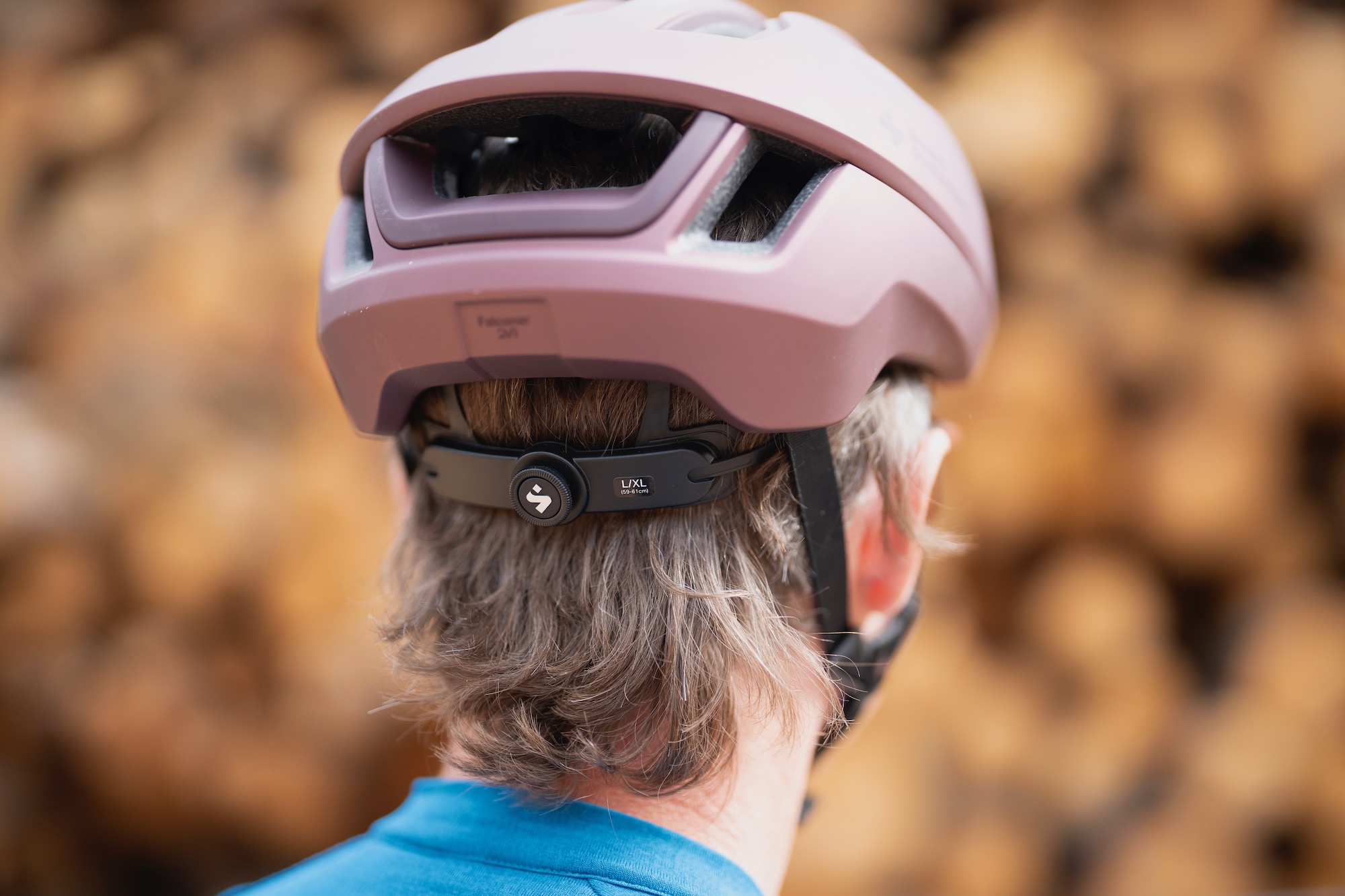
Modern helmets come with sophisticated dial-fit retention systems at the back, allowing for precise, one-handed adjustments to achieve a snug and secure fit. Adjustable side straps also play a crucial role in preventing the helmet from shifting. When properly adjusted, your helmet should feel secure without any uncomfortable pressure points, and it shouldn’t wobble when you move your head.
Why Ventilation Matters
Mountain biking can be intense, especially on hot days or during grueling climbs. Good ventilation is key to keeping your head cool and comfortable. Look for helmets with strategically placed vents that allow air to flow through efficiently. More vents, or larger, well-channeled vents, generally mean better airflow.
Understanding Coverage
Mountain bike helmets typically offer more rear-of-head coverage than road helmets, extending lower down the back of the skull to protect against impacts from falls on rough terrain. Depending on your riding style, you might opt for:
- Half-Shell (Open-Face): The most common type for general trail and cross-country riding, offering good balance of protection, ventilation, and lightness.
- Full-Face: For aggressive downhill or bike park riding, these helmets include a chin bar for facial protection, resembling motocross helmets but often lighter and better ventilated for cycling.
- Convertible Helmets: Some versatile models feature a removable chin bar, allowing you to switch between a full-face for descents and a half-shell for climbs.
Keeping Your Gear Trail-Ready: Maintenance and Specialized Helmets
A women’s mountain bike helmet is an investment in your safety, and proper care will ensure it performs when you need it most.
Cleaning and Care
Regular cleaning is simple but important. Use mild soap and water to clean the exterior shell and remove dirt and sweat from the padding. Many helmet pads are removable and washable, which helps prevent odor buildup. Always let your helmet air dry completely before your next ride. Avoid harsh chemicals, as they can degrade helmet materials.
When to Replace Your Helmet
Even if it looks fine, a helmet’s protective capabilities diminish over time and especially after an impact.
- After a Crash: Always replace your helmet after any significant impact, even if there’s no visible damage. The foam inside is designed to crush and absorb energy once, making it less effective in subsequent impacts.
- Age: Manufacturers generally recommend replacing helmets every 3-5 years, as materials can degrade due to UV exposure, sweat, and general wear and tear.
Specialized Helmets for Diverse Rides
While a good half-shell helmet covers most trail riding, specific disciplines might call for specialized designs:
- Enduro Helmets: Often feature deeper rear coverage and may have integrated or removable chin bars for added protection on aggressive descents while maintaining reasonable ventilation for climbing.
- Downhill Helmets: These are full-face, robust helmets offering maximum protection for high-speed, high-impact riding, prioritizing safety over ventilation.
Safety First, Always: Benefits and Protective Features
The primary benefit of wearing a women’s mountain bike helmet is, of course, safety. It’s designed to protect your most vital organ.
Comprehensive Impact Protection
Modern helmets offer dual-pronged protection:
- Direct Impact Absorption: The EPS foam liner effectively absorbs and dissipates the energy from direct blows.
- Rotational Force Reduction: Technologies like MIPS are specifically engineered to mitigate the harmful rotational forces that occur in angled impacts, which can otherwise lead to concussions or more severe brain injuries.
Visors: More Than Just Style
An adjustable visor is a standard feature on most mountain bike helmets for good reason. It shields your eyes from:
- Sun Glare: Keeping your vision clear on bright trails.
- Trail Debris: Protecting against mud, dust, and low-hanging branches.
- Goggle Integration: Many visors are designed to accommodate goggles when pushed up, making them a practical choice for riders who prefer eye protection on more aggressive terrain.
Added Tech for Peace of Mind
Beyond core protection, some helmets integrate smart features:
- Crash Sensors (e.g., ANGI, Aleck): These small sensors attach to or are built into the helmet and can detect an impact, then automatically alert emergency contacts with your location via a paired smartphone app.
- RECCO Technology: Originally used in winter sports, RECCO reflectors can be embedded in helmets to make you searchable by rescue teams in the event of an accident in remote areas.
Riding Smart: Proper Helmet Use and Pairing with Accessories
Even the best women’s mountain bike helmet can’t protect you if it’s not worn correctly.
How to Wear Your Helmet Correctly
- Level on Your Head: The helmet should sit level on your head, covering your forehead. You should be able to see the front edge of the helmet just above your eyebrows. Never tilt it back, exposing your forehead.
- “V” Under Your Ears: The side straps should form a “V” shape just below your ears.
- Snug Chin Strap: The chin strap should be snug but comfortable, allowing you to fit no more than two fingers between the strap and your chin. It should be tight enough that the helmet wiggles slightly when you open your mouth wide.
Eyewear and Helmet Harmony
Ensure your chosen helmet works well with your preferred eyewear. Some helmets have specific designs or adjustable visors that are better suited for integrating with sunglasses or goggles without uncomfortable pressure points or visual obstructions.
Seamless Integration with Other Gear
Consider how your helmet will integrate with other gear you use, such as hydration pack straps or helmet-mounted lights or cameras (some helmets even come with integrated mounts). The goal is a seamless, comfortable setup that doesn’t distract you from the trail.
Frequently Asked Questions (FAQ)
Q: Are women’s mountain bike helmets truly different from men’s?
A: While anatomical differences between sexes exist, they are generally not significant enough to require entirely different helmet designs. The main distinctions in “women’s specific” mountain bike helmets often lie in color options, graphics, and features like ponytail compatibility and improved liners for long hair.
Q: What is MIPS and why is it important?
A: MIPS stands for Multi-directional Impact Protection System. It’s a low-friction layer inside the helmet designed to allow a small relative motion between the head and the helmet during angled impacts, which helps to reduce the rotational forces that can cause brain injuries. It adds an extra layer of protection beyond standard impact absorption.
Q: How do I know what size helmet to buy?
A: Measure the circumference of your head just above your eyebrows and ears, in centimeters. Then, compare this measurement to the manufacturer’s size chart for the specific helmet model you’re interested in. It’s often helpful to try on different helmets to find one that fits your unique head shape comfortably.
Q: How often should I replace my mountain bike helmet?
A: You should always replace your helmet immediately after any crash or significant impact, even if there’s no visible damage, as its protective capabilities may be compromised. Generally, helmets should be replaced every 3-5 years due to material degradation from UV exposure, sweat, and regular wear.
Q: Can I use a road bike helmet for mountain biking?
A: While a road helmet offers basic head protection, it’s generally not recommended for mountain biking. Mountain bike helmets provide more coverage, especially at the back and sides of the head, and often include features like visors for sun and debris protection, better ventilation for slower speeds, and designs compatible with goggles, which are crucial for the demands of off-road riding.
Embrace the Trail with Confidence
Choosing the right women’s mountain bike helmet is a critical step towards enjoying your rides to the fullest. It’s a blend of cutting-edge technology, thoughtful design, and a commitment to safety that empowers you to push your limits on the trail. By prioritizing proper fit, understanding safety features like MIPS, and selecting a helmet that matches your riding style, you’re not just buying a piece of gear; you’re investing in countless safe and thrilling adventures. So, gear up, hit the dirt, and let the freedom of the ride take over, knowing your head is in good hands.