Every triathlete knows the unique thrill and challenge of race day. From the icy plunge of the swim to the burning push of the run, each discipline demands specialized gear, and the bike leg is no exception. This is where your Triathlon Bike Helmet steps in, transforming from a simple safety device into a potent weapon in your quest for speed and efficiency. It’s not just about protecting your head; it’s about slicing through the wind, maintaining focus, and pushing your limits, all while staying safe.
The Evolution of Speed: Why Triathlon Helmets Stand Apart
Triathlon bike helmets are a marvel of engineering, born from the relentless pursuit of speed and the unwavering commitment to safety. They’re a testament to how far cycling technology has come, offering triathletes an unparalleled advantage on the bike course.
More Than Just a Lid: The Aerodynamic Imperative
When you’re flying down the road, battling the clock, every fraction of a second counts. Air resistance, or drag, is your biggest adversary. This is precisely where the aerodynamic design of a triathlon helmet shines. Unlike standard road helmets that prioritize ventilation above all else, triathlon helmets are sculpted to guide airflow smoothly over your head and shoulders, minimizing turbulence and reducing drag.
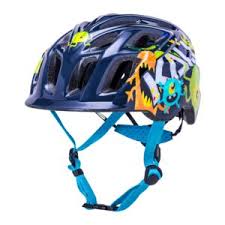
Think of it this way: your head is a significant surface area hitting the wind first. A well-designed triathlon bike helmet acts like a carefully crafted extension of your body, streamlining your profile. Wind tunnel tests consistently show that a top-tier aero helmet can save you anywhere from 10 to 15 watts at speeds around 40 km/h. What does that mean in real terms? A potential time saving of 30 to 55 seconds over a 40 km bike leg. That’s what we call “free speed” – gains achieved not by pushing harder, but by being smarter. This advantage is often even greater than the gains from an aero tri suit, making your helmet a priority investment for any serious triathlete.
Safety First: Beyond the Finish Line
While speed is thrilling, safety is non-negotiable. Modern triathlon bike helmets are packed with advanced safety features designed to protect your most vital asset. The core structure, typically made from an expanded polystyrene (EPS) foam liner, is designed to absorb impact forces by deforming. This energy dispersion is crucial in minimizing the severity of head injuries.
One of the most significant advancements in helmet safety is the integration of the Multi-directional Impact Protection System, or MIPS. This innovative technology introduces a low-friction layer inside the helmet, allowing a relative sliding motion between the helmet and the head during angled impacts. This simple yet revolutionary addition helps to reduce the rotational forces that can be transmitted to the brain, offering an extra layer of protection against certain types of injuries. Many leading helmets now boast high Virginia Tech Helmet Ratings, a testament to their superior protective capabilities through independent testing. Choosing a helmet with such certifications ensures you’re getting tested, proven protection.
Navigating the Choices: Types of Triathlon Bike Helmets
The world of triathlon bike helmets offers a spectrum of designs, each with its own strengths. Understanding these differences is key to making an informed decision for your race day and training needs.
The Classic Bullet: Full Time Trial (TT) Helmets
These are the quintessential “aero helmets” you often see in professional time trials and long-distance triathlons. Characterized by their distinct long, pointed tail and minimal ventilation, full TT helmets are engineered for maximum aerodynamic efficiency. When a rider maintains a perfect, static head-down aero position, these helmets can be incredibly fast.
Pros: Unbeatable aerodynamic advantage in an ideal, sustained aero position.
Cons: Limited ventilation can lead to overheating, especially in hot conditions or longer races. The long tail can act as a drag inducer if your head position isn’t consistently perfect, pointing up into the wind instead of along your back. Visors can sometimes fog up, especially after the swim.
Best for: Elite time trialists and triathletes who can consistently maintain an aggressive, tucked aero position for extended periods, particularly on flat courses in cooler climates.
The Modern Hybrid: Aero Road Helmets
The aero road helmet represents a harmonious blend of aerodynamics and practical comfort. These helmets have a more compact, often slightly truncated tail compared to full TT helmets, and feature more vents. This design philosophy has seen aero road helmets surge in popularity, often becoming the preferred choice for a vast majority of triathletes.
Pros: Offers significant aerodynamic gains, often very close to (or even surpassing in real-world variable conditions) full TT helmets, while providing vastly improved ventilation. They are more forgiving of head movement and generally more comfortable for longer events or in hotter climates, preventing overheating which can severely impact performance.
Cons: May offer marginally less aerodynamic performance than a perfectly worn full TT helmet in very specific, controlled conditions.
Best for: Most triathletes across all distances – sprint, Olympic, and even full Ironman. Their versatility makes them excellent for training and racing, especially if you prioritize comfort and ventilation alongside speed. Many pros now opt for aero road helmets in all but the most specialized time trials.
The Everyday Rider: Standard Road Helmets (and their place in triathlon)
Standard road helmets prioritize ventilation and light weight above all else. They are characterized by numerous large vents and a more traditional, rounded shape. While not designed specifically for triathlon aerodynamics, they do have a place.
Pros: Typically the most affordable, lightest, and most breathable option. Excellent for training rides, recovery spins, or races in extremely hot and hilly conditions where the aero penalty is less critical than staying cool and comfortable.
Cons: Significant aerodynamic drag compared to aero-specific triathlon bike helmets, potentially adding minutes to your bike split.
Best for: Beginner triathletes, those on a tight budget, or individuals whose primary focus is comfort during training rides or very challenging, non-aero-focused race courses.
Decoding the Tech: Features That Define a Great Triathlon Helmet
Beyond the basic shape, a triathlon bike helmet’s true value lies in its intelligent design and integrated technologies.
The Airflow Advantage: Ventilation Systems
Maintaining a cool head is paramount for optimal performance. While full TT helmets compromise ventilation for aerodynamics, modern aero road helmets have made incredible strides in creating sophisticated ventilation systems. They strategically place intake vents at the front to scoop air in and internal channels to direct it over your head, exhausting hot air through large rear ports. This “air conditioning” effect helps regulate your core body temperature, keeping you comfortable and preventing performance-sapping overheating, especially crucial during long efforts under the sun.
Precision Fit: Comfort for the Long Haul
A helmet is only effective if it fits correctly and comfortably. An ill-fitting helmet can be a distraction, compromise safety, and even negate aerodynamic benefits if it shifts around. Look for helmets with advanced adjustable retention systems, typically featuring a dial at the back that allows for micro-adjustments to the helmet’s circumference. Many also offer occipital base adjustment, letting you fine-tune the tilt and depth of the helmet on your head for a truly personalized and secure fit. Adjustable Tri-Fix web splitters ensure the chin straps sit comfortably around your ears without rubbing. Plush, moisture-wicking internal padding further enhances comfort, making those long hours in the saddle more bearable.
Integrated Visors and Eye Protection
Many triathlon bike helmets, particularly aero road and TT models, come with integrated visors. These aren’t just for show; they serve multiple purposes. Firstly, they further streamline your profile, contributing to aerodynamic gains. Secondly, they offer excellent eye protection from sun, wind, dust, and insects, often with interchangeable tints for various light conditions. The best designs feature magnetic attachments, making them easy to flip up or remove quickly during transition or mid-ride if needed, and ensuring a secure, rattle-free fit.
Material Matters: Lightweight and Durable Construction
The construction materials of your triathlon bike helmet play a critical role in both safety and performance. The primary impact-absorbing material is typically EPS foam, carefully engineered with varying densities to manage different impact forces. The outer shell, often made from a durable polycarbonate, encases the foam, providing structural integrity and resistance to punctures. Advanced manufacturing techniques allow for in-mold construction, where the outer shell is fused with the EPS liner, resulting in a lighter yet stronger helmet. (
|
Our Picks for the Best Bike Helmet in 2026
As an Amazon Associate I earn from qualifying purchases.
|
||
| Num | Product | Action |
|---|---|---|
| 1 | Retrospec Dakota Adult Bike Helmet for Men & Women - Multi-Sport Protection with ABS Shell, EPS Foam, 10 Vents & Removable Washable Padding for BMX, Skating, Scooter and Skate - Helmets for Adults |

|
| 2 | Schwinn Thrasher Helmet for Adults, Size 58-62 cm for Riders Ages 14+, Microshell, Adjustable Dial & Straps, Interior Padding, Air Vents, Lighted or Unlit, Visor, Adult Bike Helmet |
|
| 3 | Retrospec Lennon Adult Bike Helmet with LED Safety Light Adjustable Dial & Removable Visor - Adjustable Bicycle Cycling Helmet for Men & Women |
|
| 4 | Kids Bike Helmet, Adjustable and Multi-Sport, from Toddler to Youth, 3 Sizes |
|
| 5 | Exclusky Bike Helmet Mountain Bike Helmet for Adults Lightweight MTB Cycling Helmet for Men Women Adjustable Bicycle Helmet with Visor |
|
| 6 | 80SIX Triple Certified Multisport Helmet - Ideal for Bike, Scooter, Skateboard, Roller Skate and Inline Skate |
|
| 7 | Findway Pro Bike Helmet for Adults,Adjustable Cycling Helmet for Men & Women [Safety Certified] Bicycle Helmet for Commuting, Road Biking, Skating with Adjustable Dial |
|
| 8 | 80SIX Triple Certified Multisport Helmet - Ideal for Bike, Scooter, Skateboard, Roller Skate and Inline Skate |
|
| 9 | XNITO Bike Helmet with LED Lights - Urban Bicycle Helmet for Adults, Men & Women - CPSC & NTA-8776 Dual Certified - Class 3 E-Bikes, Scooters, Onewheel, Commuter, Mountain |
|
| 10 | Giro Isode MIPS |
|
Your Guide to Selection: Choosing the Right Triathlon Helmet
Choosing your triathlon bike helmet can feel like a daunting task, but by considering a few key factors, you can find the perfect match for your needs and goals.
Match Your Race, Match Your Helmet
- Sprint/Olympic Distance: For shorter races where transition speed is key and the bike leg is intense but not excessively long, an aero road helmet is often the ideal choice. Its balance of aerodynamics and superior ventilation helps you stay cool for the subsequent run.
- Ironman/Longer Distances: This is where the debate traditionally sparked. While a full TT helmet offers maximal aero gains, the heat management of an aero road helmet often makes it the more practical choice for many athletes in longer, hotter races. An overheated athlete is a slow athlete, regardless of aero savings. Assess your ability to maintain an aero position and your heat tolerance.
- Course Profile and Climate: Flat, fast courses might lean towards more aggressive aero designs. Hilly courses, where speeds vary and cooling is more critical, often favor helmets with better ventilation. Always consider the typical climate of your race location.
Head Position and Rider Style
Be honest with yourself about your bike fit and head position. If you struggle to hold a low, aero position consistently, a long-tailed TT helmet could actually slow you down if its tail catches the wind. An aero road helmet, with its more compact design, is much more forgiving of slight head movements, ensuring you maintain an aerodynamic advantage even when looking up or adjusting your position.
Try Before You Buy: The Fit is Paramount
This cannot be stressed enough: always try on helmets before purchasing. What looks great on a pro might not fit your unique head shape. A proper fit means the helmet sits level on your head, covering your forehead without tilting back. It should be snug but not uncomfortably tight, with no excessive pressure points. Shake your head gently; the helmet should not shift independently of your scalp. Ensure the straps can be adjusted so the “V” sits just below your ears, and the chin strap is secure but allows for comfortable breathing.
Budgeting for Speed and Safety
Triathlon bike helmets vary widely in price. While it’s tempting to go for the most expensive option, a mid-range aero road helmet often provides excellent value, delivering significant aero benefits and top-tier safety features without breaking the bank. Prioritize features like MIPS and a comfortable, adjustable fit within your budget. Remember, an affordable, well-fitting, and safe helmet is always better than an expensive one that doesn’t fit or isn’t worn properly.
Expert Insights: Maximizing Your Helmet’s Potential
“Many athletes obsess over every detail of their bike, but often overlook the simplest, most effective aero gain: the helmet,” says Dr. Elena Petrova, a leading sports aerodynamicist. “Our wind tunnel data consistently shows that the right triathlon bike helmet, worn correctly, can offer more ‘free speed’ than almost any other single equipment upgrade. It’s truly a game-changer for your bike split.”
“When it comes to safety, comfort and a secure fit are non-negotiable,” adds Coach Ben Carter, a seasoned triathlon coach. “A helmet that doesn’t fit right won’t protect you properly, and discomfort will distract you and slow you down. Invest time in finding a helmet that feels like an extension of your body. That peace of mind, knowing you’re protected and comfortable, allows you to focus purely on your performance.”
Care and Maintenance: Extending Your Helmet’s Lifespan
Taking care of your triathlon bike helmet ensures it remains effective and lasts longer. Clean the outer shell with mild soap and water, avoiding harsh chemicals that can damage the materials. Remove and wash the internal padding regularly to prevent odor and bacterial buildup. Store your helmet in a cool, dry place, away from direct sunlight and extreme temperatures, which can degrade the EPS foam over time. Most importantly, always replace your helmet after any significant impact, even if there’s no visible damage, as the internal structure may have been compromised. Helmet manufacturers generally recommend replacing helmets every 3-5 years, regardless of crashes, due to material degradation.
Elevate Your Ride
Choosing the right triathlon bike helmet is a powerful step towards unlocking your full potential on the bike leg. It’s a strategic investment that perfectly blends cutting-edge aerodynamics with critical safety, all wrapped in a package designed for comfort over long distances. Whether you opt for the pure speed of a full TT helmet or the versatile balance of a modern aero road helmet, making an informed choice will not only enhance your performance but also provide the confidence to push your limits. So, equip yourself wisely, dial in that perfect fit, and get ready to conquer the course with your ultimate triathlon bike helmet.