Riding a bicycle offers an incredible sense of freedom, adventure, and healthy living. But every experienced cyclist knows that with the thrill of the ride comes the non-negotiable need for safety. At the forefront of this safety revolution are advanced pieces of gear like the Smith Mips Bike Helmet, meticulously designed to protect your most vital asset. These helmets aren’t just about looking good; they’re packed with cutting-edge technology aimed at keeping you safe, comfortable, and focused on the road or trail ahead.
The Evolution of Bike Helmet Safety: More Than Just a Shell
For decades, bicycle helmets primarily focused on mitigating the impact of direct, linear blows. While effective for certain types of accidents, scientific understanding of head injuries has evolved dramatically. Researchers recognized that many severe brain injuries, particularly concussions, result from rotational forces – the twisting motion your brain experiences inside your skull during an angled impact. This understanding spurred a new era of helmet design, moving beyond simple impact absorption to comprehensive brain protection. Modern helmets, especially high-quality options like the Smith MIPS bike helmet, are engineered to address these complex forces, offering a significantly higher level of safety for riders of all disciplines.
Decoding MIPS: A Revolution in Rotational Impact Protection
What exactly makes a Smith MIPS bike helmet stand out? The answer lies significantly in its integration of the Multi-directional Impact Protection System, or MIPS. This “ingredient” safety technology is a game-changer for head protection.
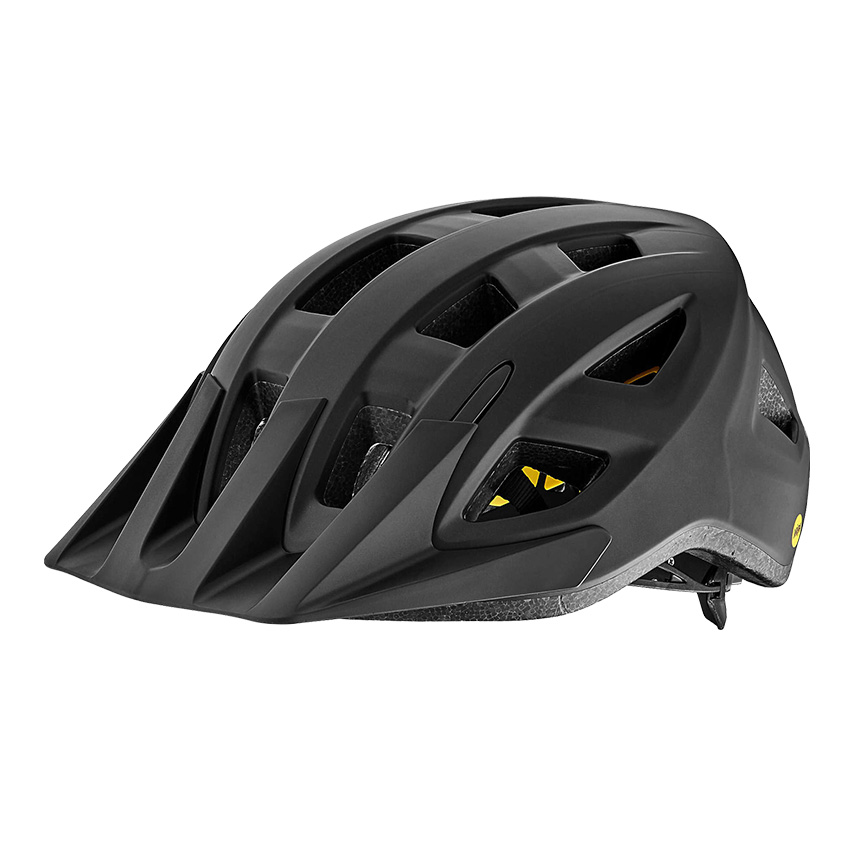
What is MIPS?
MIPS is an additional safety layer, a low-friction system designed to reduce rotational forces that can be transferred to the brain from angled impacts. Think of it as an invisible shield working silently beneath the surface.
How Does MIPS Work?
At its core, MIPS technology mimics your head’s natural protective structure. Just as your brain is cushioned by cerebrospinal fluid, allowing it to slide slightly within your skull during an impact, the MIPS system introduces a thin, low-friction layer, typically between the helmet’s outer shell and the comfort padding. In the event of an angled impact, this layer allows the helmet to slide 10-15mm relative to your head in all directions. This small but crucial movement redirects and absorbs much of the rotational energy that would otherwise be transmitted to your brain, significantly reducing the risk of certain brain injuries. Most helmets are primarily tested for linear impacts; MIPS addresses the more common angled impacts.
Why MIPS Matters for Cyclists
When you fall off a bike, it’s rarely a perfectly straight, linear impact. More often than not, your head hits the ground at an angle, creating those dangerous rotational forces. A Smith MIPS bike helmet acknowledges this reality, offering an essential layer of defense against these common yet often underestimated injury mechanisms. It’s about providing protection that aligns with how real-world accidents actually occur, giving you greater peace of mind every time you clip in.
Smith’s Safety Synergy: MIPS and Koroyd Technology
Smith goes a step further in head protection by integrating not just MIPS, but also their proprietary Koroyd technology into many of their helmets, creating a powerful safety synergy.
Introducing Koroyd
Koroyd consists of thousands of co-polymer extruded tubes, thermally welded to create a unique honeycomb-like structure. These tubes are engineered to crush consistently on impact, absorbing energy more effectively than traditional EPS foam and providing exceptional ventilation. You’ll often see this distinctive green or red material visible through the helmet’s vents. It acts like a network of miniature crumple zones, delivering advanced impact protection while maintaining an incredibly lightweight profile.
The Power of Two
When MIPS and Koroyd are combined, as they are in a Smith MIPS bike helmet, you get multi-faceted protection. MIPS handles rotational forces, while Koroyd excels at absorbing linear impact energy. This dual-layer approach means your head is better protected against a wider range of forces, from direct blows to glancing impacts. Additionally, Smith uses robust polycarbonate shells and high-quality EPS foam to complete the structural integrity of their helmets, ensuring a comprehensive safety package.
Unpacking Popular Smith MIPS Bike Helmet Models
Smith offers a diverse range of Smith MIPS bike helmet models, each tailored for different riding styles, but all committed to integrating leading safety technologies.
Smith Trace MIPS: The Road and Gravel Warrior
The Smith Trace MIPS is a standout choice for road and gravel cyclists who prioritize both safety and a lightweight feel. This helmet consistently earns high marks in independent impact tests thanks to its combination of MIPS and extensive Zonal Koroyd coverage. Riders appreciate its excellent adjustability, allowing for a truly dialed-in fit, and its sleek, understated aesthetic. However, some riders note that the Koroyd material, while offering superior protection, can marginally affect ventilation in extreme heat and limit internal sunglass storage options. It also tends to have a shallower fit, which might not suit every head shape.
Smith Network MIPS: The Versatile All-Rounder
If you’re looking for a Smith MIPS bike helmet that balances style, durability, and performance across various cycling disciplines, the Smith Network MIPS is a strong contender. This helmet is praised for its modern matte color schemes and its robust polycarbonate shell, which enhances long-term durability. Like the Trace, it features both MIPS and Koroyd for comprehensive protection. While its comfort and ventilation are considered solid, they might not be top-tier compared to some more specialized, higher-priced options. Some users also find the strap adjustment system a bit finicky. Despite these minor points, the Network MIPS is a reliable and stylish choice for commuting, general road cycling, and even light gravel adventures.
Other Notable Smith MIPS Helmets
Smith’s lineup includes other excellent MIPS-equipped helmets designed for specific needs:
- Smith Dispatch MIPS: An e-bike certified option (NTA 8776) built with commuters in mind, often featuring an integrated rear light for enhanced visibility.
- Smith Forefront MIPS series: Popular among mountain bikers, these helmets often feature even more extensive Koroyd coverage and rugged designs tailored for aggressive trail riding.
- Smith Engage MIPS and Persist MIPS: More budget-friendly options that still provide the core MIPS safety and Smith’s renowned fit.
Choosing Your Perfect Smith MIPS Bike Helmet: A Rider’s Guide
Selecting the right Smith MIPS bike helmet involves more than just picking a color. It’s about finding the perfect blend of safety, comfort, and functionality for your unique riding habits.
Prioritize Safety
First and foremost, always choose a helmet with MIPS. It’s a non-negotiable feature for enhanced protection against rotational forces. Smith’s commitment to integrating MIPS across its range makes this choice straightforward.
Understand Your Riding Style
Are you a road cyclist chasing KOMs, a mountain biker tackling technical trails, or a commuter navigating city streets? Different helmets are optimized for different demands. Road helmets like the Trace prioritize aerodynamics and light weight, while MTB helmets like the Forefront offer greater coverage and visors. Commuter helmets like the Dispatch focus on visibility and integrated features.
Fit is King
A helmet can only protect you if it fits correctly. Measure your head circumference and consult Smith’s sizing charts. Pay attention to the helmet’s shape; some Smith models, like the Trace, might feel shallower. Look for intuitive adjustment systems, such as Smith’s VaporFit dial at the back, which allows for micro-adjustments to cradle your head securely without uncomfortable pressure points. Ensure the Y-buckles below your ears are easy to adjust, keeping the straps snug but not constricting.
Ventilation vs. Protection
Consider your climate and how much you tend to sweat. While Koroyd offers excellent protection, its honeycomb structure can sometimes influence airflow. Helmets with more open designs or fewer Koroyd-filled vents might be better for extremely hot conditions, whereas helmets with extensive Koroyd provide maximum impact absorption and can be excellent for milder weather or winter rides.
Eyewear Integration
Smith designs its helmets for seamless integration with Smith performance eyewear. Features like the AirEvac ventilation system help prevent glasses from fogging, and some helmets include dedicated sunglass docks for secure storage when not in use. If you frequently wear glasses while riding, this feature can significantly enhance your comfort and convenience.
Weight and Durability
While no helmet should feel excessively heavy, slight weight differences can be noticeable on long rides. Smith helmets generally strike a good balance, with robust polycarbonate shells offering excellent durability without adding unnecessary bulk. A helmet that feels solid and well-constructed will inspire confidence.
Proper Helmet Use and Maintenance for Longevity and Safety
To maximize the life and protective capabilities of your Smith MIPS bike helmet, proper use and regular maintenance are essential.
How to Wear a Helmet Correctly
- Level on Your Head: The helmet should sit level on your head, covering your forehead without tilting backward. The front rim should be about two finger-widths above your eyebrows.
- Snug Fit: Use the dial adjustment system (like Smith’s VaporFit) at the back to achieve a snug but comfortable fit. The helmet should not move excessively when you shake your head.
- Chin Strap: Fasten the chin strap securely. You should be able to fit only one or two fingers snugly between the strap and your chin.
- “Y” Dividers: Adjust the Y-shaped strap dividers so they sit just below your earlobes.
Cleaning and Care
Regular cleaning is crucial, especially for the pads. Many Smith MIPS bike helmet models feature XT2 antimicrobial lining, which helps manage odor but still benefits from washing. Remove pads and hand wash them with mild soap and water, then air dry. For the helmet shell and straps, wipe with a damp cloth and mild soap. Be mindful that water can collect in Koroyd cells, so allow ample time for drying. Avoid harsh chemicals or solvents, as these can damage helmet materials.
When to Replace Your Helmet
A helmet’s protective properties degrade over time, even without visible damage. Always replace your helmet immediately after any crash, even if it looks fine. The internal foam may have compressed or cracked, compromising its ability to protect you in a subsequent impact. Generally, it’s recommended to replace helmets every 3-5 years, as materials can degrade from UV exposure, sweat, and general wear and tear.
Benefits That Go Beyond Protection: Why Smith MIPS Stands Out
A Smith MIPS bike helmet offers a compelling package of benefits that extend beyond basic head protection:
- Enhanced Safety: The combined power of MIPS and Koroyd technology delivers superior protection against both linear and rotational impacts.
- Innovative Material Integration: Smith’s use of Koroyd isn’t just a safety feature; it’s a testament to their commitment to cutting-edge design.
- Superior Comfort and Fit: With advanced dial adjustment systems and thoughtful padding, Smith helmets often fit a wide range of head shapes comfortably.
- Stylish Designs: Smith is known for its modern, sleek aesthetics and attractive matte color options, appealing to riders who value both performance and appearance.
- Seamless Eyewear Compatibility: The AirEvac system and sunglass docks are designed to work harmoniously with Smith eyewear, enhancing your overall riding experience.
Expert Insight: The Value of Advanced Helmet Technology
“Choosing a Smith MIPS bike helmet isn’t just buying gear; it’s investing in your long-term health and passion,” says Dr. Anya Sharma, a leading Biomechanical Safety Engineer. “The integration of MIPS and Koroyd addresses complex injury mechanisms that traditional helmets often miss. It’s a proactive step towards safer cycling, empowering riders with confidence in their protection.”
Frequently Asked Questions About Smith MIPS Bike Helmets
What does MIPS mean for my safety?
MIPS significantly enhances safety by adding a low-friction layer that allows the helmet to slide relative to your head during angled impacts, reducing the rotational forces transferred to your brain and minimizing the risk of certain brain injuries.
How is Koroyd different from regular helmet foam?
Koroyd consists of thousands of welded co-polymer tubes designed to crush consistently on impact, absorbing energy more effectively than traditional EPS foam. It also offers exceptional ventilation due to its open cellular structure.
Are Smith MIPS helmets good for hot weather?
While Koroyd offers ventilation, its presence can sometimes slightly impede airflow compared to helmets without it. However, many Smith models, like the Trace, are still designed with ample vents and AirEvac systems to keep you cool in most conditions, especially in milder climates.
How do I know what size Smith helmet to get?
To determine your size, measure the circumference of your head just above your eyebrows. Compare this measurement to Smith’s official sizing chart for each helmet model. Trying on a helmet is always recommended to ensure a comfortable and secure fit.
Can I use non-Smith sunglasses with a Smith MIPS helmet?
While Smith helmets are designed for optimal integration with Smith eyewear, many non-Smith sunglasses will still fit. However, the secure sunglass dock features and AirEvac ventilation benefits might be most pronounced with Smith’s own glasses.
When should I replace my Smith MIPS helmet?
You should replace your Smith MIPS helmet immediately after any impact, even if there’s no visible damage. For general wear and tear, it’s recommended to replace your helmet every 3-5 years, as materials can degrade over time.
What’s the best Smith MIPS helmet for commuting?
The Smith Network MIPS is a highly versatile option for commuting, offering a balance of style, durability, and safety features. The Smith Dispatch MIPS is also an excellent choice, specifically designed for urban riders with features like integrated rear lighting.
Elevate Your Ride with a Smith MIPS Bike Helmet
The journey of cycling is one of constant discovery, challenge, and enjoyment. As you push your limits, explore new routes, or simply enjoy a leisurely ride, the importance of reliable head protection cannot be overstated. A Smith MIPS bike helmet represents the pinnacle of modern helmet technology, offering advanced safety features like MIPS and Koroyd, combined with comfort, style, and thoughtful design. By choosing a Smith MIPS helmet, you’re not just buying a piece of gear; you’re investing in the confidence that comes from knowing you have one of the best allies protecting your head on every adventure. So, find the Smith MIPS helmet that speaks to your cycling soul, adjust it perfectly, and hit the road or trail with unparalleled peace of mind.