Hitting the open road on your bike offers an unparalleled sense of freedom and exhilaration. But before you chase that next KOM or embark on an epic long-distance journey, one piece of gear stands paramount: your road bike helmet. It’s more than just a requirement; it’s your primary guardian. The good news? You don’t have to break the bank to secure top-tier protection. A well-timed Road Bike Helmet Sale offers the perfect opportunity to upgrade your safety without compromising on quality, technology, or style.
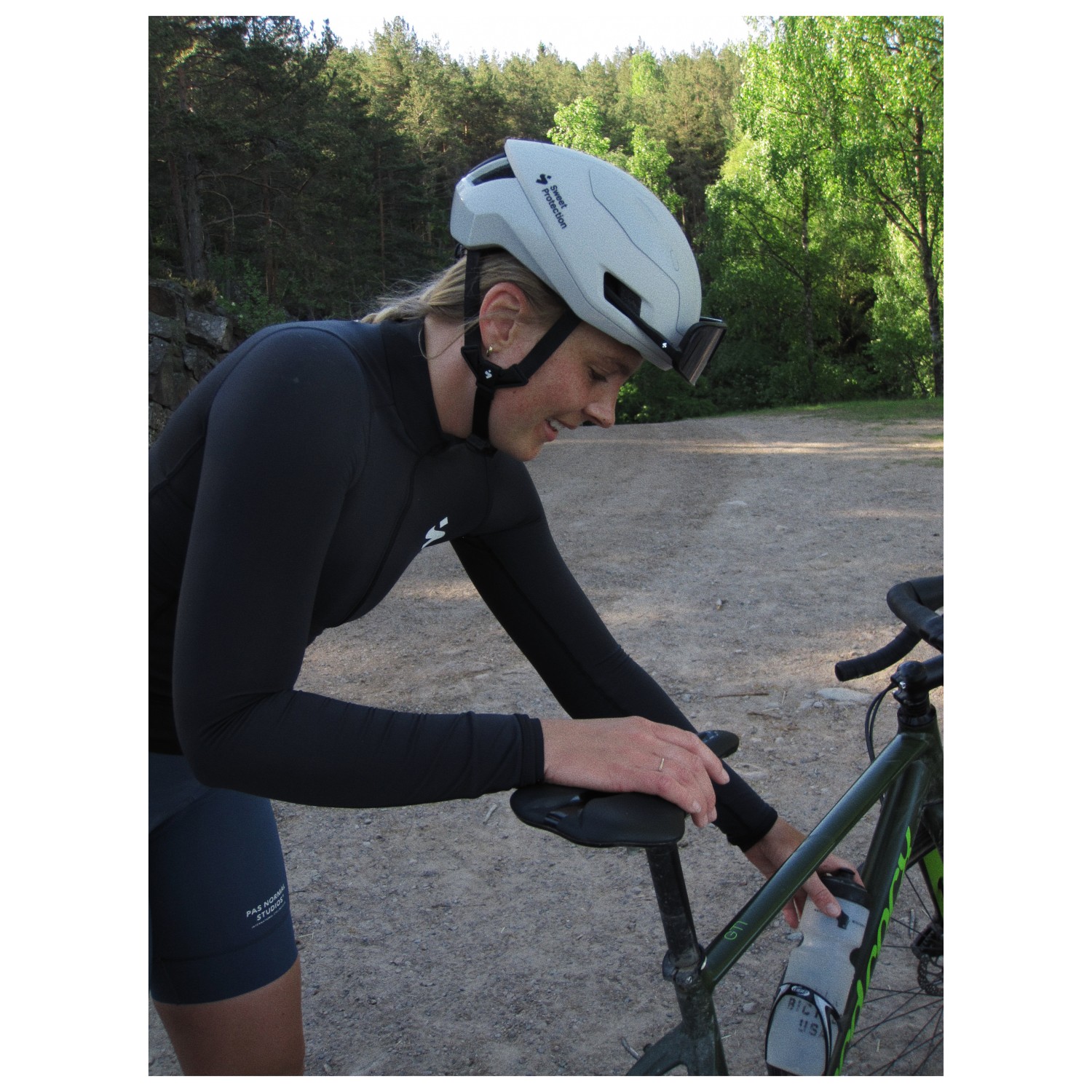
The Unseen Heroes: Understanding Road Bike Helmet Technology
Modern road bike helmets are marvels of engineering, designed to offer maximum protection while enhancing your riding experience. They’ve come a long way from simple plastic shells, now integrating advanced materials and ingenious safety systems.
Beyond the Shell: Materials and Construction
At its core, a road bike helmet consists of an outer shell and an inner liner, working in concert to absorb impacts. The inner liner is typically crafted from Expanded Polystyrene (EPS) foam, a high-grade styrofoam engineered to crush and dissipate energy during a collision, effectively slowing down your head’s movement. The hard plastic outer shell provides crucial puncture resistance and allows the helmet to slide on impact, which can reduce direct forces and help protect your neck.
Many modern helmets feature “in-mould” construction, where the EPS foam is expanded directly into the outer shell during manufacturing. This creates a single, unified structure that is both stronger and lighter, a significant leap from older methods where the shell was merely glued on.
Revolutionizing Safety: Rotational Impact Protection
While direct impacts are a clear danger, research has increasingly highlighted the role of rotational forces in causing brain injuries, even in seemingly minor crashes. To counter this, helmet manufacturers have developed sophisticated technologies that are now a common and highly recommended feature, especially when looking for a road bike helmet on sale.
One of the most recognized systems is the Multi-directional Impact Protection System (MIPS). MIPS technology integrates a low-friction layer, often a thin plastic liner, between the helmet’s outer shell and the inner padding. In an angled impact, this layer allows the helmet to rotate slightly relative to your head, redirecting harmful rotational energy and reducing strain on the brain. You’ll find MIPS in many leading brands and often included even in budget-friendly sale models.
Other notable rotational impact protection systems include:
- WaveCel: Found in some Bontrager helmets, this honeycombed liner material acts as a “crumple zone,” absorbing both primary and rotational forces.
- SPIN (Shearing Pads Inside): Utilized by POC, SPIN technology features silicone-injected pads that move within the shell to redirect rotational forces upon impact.
- KinetiCore: Lazer helmets incorporate KinetiCore, a system of controlled crumple zones built directly into the EPS foam, offering protection against both direct and rotational impacts.
Aero, Vents, and Weight: Performance Factors
Beyond pure safety, road bike helmets are optimized for performance.
- Aerodynamics: For speed demons and racers, aero helmets are sculpted to reduce drag, helping you cut through the wind more efficiently.
- Ventilation: For long climbs and hot days, ample vents and internal channeling are crucial. They enhance airflow over your head, keeping you cooler and more comfortable.
- Weight: Cyclists often prioritize lightweight gear. Modern materials and construction techniques allow for extremely light helmets that minimize neck strain on extended rides.
Many helmets strike a balance, offering good ventilation without sacrificing too much aerodynamic advantage. The key is to find what matters most for your riding style.
Navigating the Road Bike Helmet Sale: Your Buyer’s Guide
A road bike helmet sale is a fantastic opportunity, but it requires a discerning eye. The goal isn’t just the cheapest helmet; it’s the best value—a safe, comfortable, and high-performance helmet at a reduced price.
The Golden Rule: Fit is King
No matter how advanced its features or attractive its price, a helmet is only effective if it fits correctly. “A helmet that doesn’t fit perfectly cannot perform its job perfectly in an accident,” states Dr. Aris Thorne, a biomechanical engineer specializing in sports safety. An ill-fitting helmet can actually compromise protection and discourage consistent wear.
To ensure a proper fit:
- Measure Your Head: Use a flexible tape measure around the largest part of your head, about one inch above your eyebrows. This gives you your head circumference, which helmet sizing is based on.
- Try Before You Buy (If Possible): Head shapes vary greatly. What fits one person comfortably might create pressure points for another. Different brands use proprietary molds, so trying on several models is ideal.
- Adjust the Fit System: Most modern helmets feature a rear adjustment wheel to snug the helmet comfortably. Many also offer height adjustability for the retention system. Twist the dial until the helmet feels secure but not uncomfortably tight.
- Check Strap Alignment: The chin straps should form a “V” shape under each ear. Adjust the buckles until they sit comfortably and flat against your face.
- Perform the “Wide Mouth” Test: With the chin strap buckled, open your mouth wide. The helmet should press against the top of your head as you do so. If it doesn’t, tighten the strap slightly and repeat.
- Ensure Level Positioning: The helmet should sit level on your head, with the front edge no more than one inch above your eyebrows to protect your forehead effectively. If it shifts more than an inch when pushed side-to-side or front-to-back, it’s not snug enough.
If you find yourself between sizes, opt for the smaller one, or consider wearing a cycling cap to improve the fit of a slightly larger helmet.
Decoding the Deal: What to Look for in a Sale Helmet
When hunting for a road bike helmet on sale, remember that a lower price doesn’t mean lower safety standards. All helmets sold in the U.S. must meet the CPSC 1203 standard for impact protection, and similarly strict standards apply in other regions.
- Prioritize Safety Features: Even on sale, look for helmets equipped with rotational impact protection like MIPS. Many reputable brands offer MIPS-equipped helmets at competitive prices during sales events.
- Check the Manufacturing Date: Helmets are designed to absorb a single impact and their materials can degrade over time due to UV light, pollution, and weathering. Even if unworn, replace any helmet after five years. Ensure any sale helmet isn’t old stock nearing its replacement date.
- Explore Reputable Brands: Brands like Kask, Giro, Specialized, POC, Smith, and Lazer frequently offer discounts on popular models during sales. For example, you might find a Kask Protone Icon Helmet or a Giro Aries Spherical with significant percentage markdowns. The Specialized Align II Mips Helmet is often highlighted as a great budget option that performs exceptionally well.
- Understand Sale Types: Look for “clearance” sales, end-of-season discounts, or promotions on previous year’s models. These are often excellent opportunities to snag high-end helmets at a fraction of their original cost.
Keeping Your Head Safe: Proper Use and Care
Your road bike helmet is a long-term investment in your safety, and proper care ensures it performs optimally throughout its lifespan.
Wearing Your Helmet the Right Way
It’s not enough to simply put a helmet on; wearing it correctly is paramount for its protective function.
- Level and Low: Your helmet should sit level on your head, not tilted back, with the front edge sitting about one inch (or two fingers’ width) above your eyebrows. This ensures your forehead, a vulnerable area, is protected.
- Snug Straps: The chin strap should be snug enough that you can’t pull the helmet off your head or move it more than an inch in any direction. The V-shaped side straps should meet just below your ears.
Longevity and Maintenance Tips
Extend the life and effectiveness of your road bike helmet with these simple practices:
- Gentle Cleaning: Use only mild soap and water with a soft cloth or sponge to clean your helmet. Harsh chemical solvents can degrade helmet materials. Removable pads can usually be washed.
- Avoid Extreme Heat: Never store your helmet in hot places like a car trunk, attic, or garage, as excessive heat can damage the EPS foam and outer shell, potentially causing bubbles or weakening components.
- Single Impact Rule: Helmets are designed for one impact. If your helmet is involved in any kind of crash, even if visible damage isn’t apparent, it must be replaced immediately.
- Timely Replacement: Even without a crash, the general recommendation is to replace your helmet every five years. Environmental factors like UV exposure and weathering weaken the materials over time, reducing its protective capacity.
Specialized Road Bike Helmets: Finding the Right Fit for Your Ride
The world of road bike helmets is diverse, catering to various riding styles and preferences. When considering a road bike helmet on sale, you’ll often find deals across these specialized categories:
- Aero Helmets: Designed to minimize drag and maximize speed, these helmets often feature fewer, larger vents. Ideal for racers and those focused on performance gains.
- Ventilated Helmets: With numerous vents and internal channels, these prioritize airflow to keep you cool. Perfect for climbing, hot weather riding, and long distances where comfort is key.
- All-Rounder Helmets: These strike a balance between aerodynamics, ventilation, and weight, offering versatility for a wide range of road cycling activities.
- Budget-Friendly Options: Thanks to trickle-down technology, many affordable helmets now boast features once exclusive to high-end models, including MIPS and excellent ventilation. Brands like Specialized, Lazer, and Giro offer great value options during sales.
- Helmets with Integrated Features: Some helmets come with integrated lights for enhanced visibility, or mounts for action cameras, adding convenience for commuters or adventure riders.
Frequently Asked Questions
Are road bike helmets on sale less safe than full-priced ones?
Absolutely not. All new helmets sold in the U.S. and other regulated markets must meet stringent safety standards, regardless of their price. A sale simply means you’re getting a great deal on a helmet that meets all the necessary safety criteria, often due to seasonal clearances or older model years being discounted.
How often should I replace my road bike helmet?
You should replace your road bike helmet immediately after any impact, even if there’s no visible damage. Additionally, it’s recommended to replace your helmet every five years, as materials can degrade over time due to UV exposure and normal wear and tear.
What is MIPS technology?
MIPS, or Multi-directional Impact Protection System, is a low-friction layer integrated into a helmet that allows it to slide slightly relative to your head during an angled impact. This movement helps to redirect and reduce rotational forces that can cause brain injuries. It’s a highly recommended safety feature.
How do I know if a road bike helmet fits correctly?
A correctly fitting helmet should be snug but comfortable, sitting level on your head with the front edge about one inch above your eyebrows. The chin straps should form a “V” under your ears, and when you open your mouth wide, the helmet should press lightly on the top of your head. It should not shift more than an inch in any direction when you push it.
What are some good brands to look for during a road bike helmet sale?
During a road bike helmet sale, look for reputable brands known for their safety and quality, such as Kask, Giro, Specialized, POC, Smith, and Lazer. Many of these brands frequently offer excellent discounts on a wide range of models.
Ride Smart, Save Big: Your Next Road Bike Helmet Awaits
The journey of road cycling is one of passion, endurance, and exhilaration. Ensuring your safety with a high-quality road bike helmet is not just a recommendation; it’s a fundamental part of the experience. By understanding the technology, prioritizing a perfect fit, and wisely navigating a road bike helmet sale, you can secure advanced protection without stretching your budget. So, gear up, ride confidently, and embrace every mile with the peace of mind that comes from knowing your head is well-protected. Happy riding, and happy saving!