Hey there, fellow cyclists! We all know that feeling—the wind in your hair, the open road or trail ahead, pure freedom. But beneath that exhilaration lies a critical truth: safety should always be your co-pilot. That’s where a high-quality bike helmet comes in, and for many, the name POC stands out like a beacon of innovation and protection. Investing in a Poc Bike Helmet isn’t just about adhering to safety regulations; it’s about embracing a philosophy that puts your well-being first, without sacrificing an ounce of style or performance.
The Genesis of Protection: Why Bike Helmets Matter (and Where POC Stands)
The humble bike helmet has come a long way from its early, often clunky, iterations. What started as a basic safety measure has evolved into a sophisticated piece of engineering, meticulously designed to protect one of our most vital assets. At its core, a bike helmet’s purpose is simple: to absorb impact forces and reduce the risk of head injury during a fall or collision. It’s the ultimate guardian, a non-negotiable part of your cycling kit, whether you’re commuting to work or tackling a gnarly mountain descent.
Enter POC, a Swedish company founded in 2005 with a clear and compelling mission: “to protect lives and reduce the consequences of accidents for athletes and anyone inspired to be one.” This isn’t just marketing fluff; it’s the driving force behind every POC bike helmet. They approach helmet design with what they call “The Whole Helmet Concept™,” a comprehensive strategy that integrates every stage of development and testing. This means they consider how a helmet performs before, during, and after an impact, ensuring a holistic approach to rider safety. It’s a commitment to being “Protected by Science,” rigorously questioning conventional wisdom and applying science-based solutions to enhance your protection.
Beyond the Shell: Materials and Cutting-Edge Technologies in POC Helmets
What truly sets a POC bike helmet apart is the ingenious blend of advanced materials and groundbreaking technologies integrated into its design. It’s not just about a hard outer shell; it’s a symphony of layers working in concert to safeguard your head.
The Foundation: Impact Absorption Materials
At the heart of most helmets, including POC’s, is an EPS (Expanded Polystyrene) foam liner. This material is crucial for absorbing linear impact forces by crushing upon impact, dissipating energy before it reaches your head. However, POC doesn’t stop there. Many of their helmets feature unibody shell construction, where the outer shell is structural and fully encases the helmet’s core, much like an exoskeleton. This not only looks sleek but also significantly enhances structural integrity and provides superior penetration protection.
Tackling Rotational Forces: MIPS and SPIN
One of the most significant advancements in helmet safety in recent years is the focus on rotational impact protection. Direct impacts are one thing, but many real-world crashes involve oblique or angled impacts that can cause the brain to rotate within the skull, leading to more severe injuries like concussions.
This is where technologies like MIPS (Multi-directional Impact Protection System) come into play. Many modern POC bike helmet models incorporate MIPS, which is a low-friction “slip-plane” layer strategically placed inside the helmet. In the event of an angled impact, this layer allows the helmet to rotate 10-15mm relative to your head, effectively redirecting and reducing the rotational forces transmitted to the brain.
Previously, POC also developed its own rotational impact system called SPIN (Shearing Pad INside). This technology utilized silicone gel-like membranes within the helmet pads that would shear during an impact, allowing for rotational movement. While SPIN was an innovative step, most new POC helmets are now moving towards integrating MIPS technology for this critical protection.
Enhanced Structural Integrity and Advanced Protection
POC’s dedication to safety goes deeper. Some models, like the Octal X and Tectal, feature Aramid Bridges. These are high-strength aramid fiber inserts molded into the helmet liner, providing increased structural integrity and enhanced penetration protection against sharp objects.
For more specialized protection, especially in downhill and enduro mountain biking, POC utilizes VPD (Visco-elastic Polymer Dough) in some of their body armor, a material that offers superior impact absorption and flexibility. While primarily known for body armor, POC’s holistic approach to protection means they constantly evaluate materials for optimal safety across their product range.
Smart Features for Real-World Scenarios
Beyond basic impact protection, POC bike helmets often integrate smart features designed for real-world scenarios:
- Breakaway Visors: Found on MTB helmets like the Kortal and Axion, these visors are designed to detach during a crash. This clever feature prevents the visor from snagging on obstacles, which could otherwise cause excessive force to be transmitted to the neck.
- NFC Medical ID Chip (twICEme®): Featured in models like the Kortal Race MIPS and Otocon Race, this innovative chip allows first responders to instantly access vital medical and emergency contact details by simply tapping their smartphone to the helmet. It’s a game-changer for critical situations when a rider might be unable to communicate. [cite: 2, 2 from search result 5]
- RECCO Reflector: Some advanced POC bike helmet models, such as the Kortal Race MIPS, include a RECCO reflector. This “land-based sonar” technology is widely used in snow sports and helps professional rescuers locate individuals in remote areas, adding another layer of safety for adventurous riders. [cite: 2 from search result 5, 2]
Engineered for Comfort and Performance: Ventilation Systems
Safety doesn’t mean sacrificing comfort or performance. POC meticulously engineers its helmets for optimal ventilation. Many designs incorporate CFD-optimized (Computational Fluid Dynamics) airflow and utilize the Venturi effect to draw air through deep internal channels, compressing it to increase cooling efficiency. This ensures riders stay cool and comfortable, even during strenuous climbs or hot weather rides. Models like the Ventral are celebrated for their impressive airflow, maintaining comfort while also minimizing aerodynamic drag.
Finding Your Perfect Fit: A Guide to Choosing and Adjusting Your POC Bike Helmet
Choosing the right POC bike helmet is a personal journey, as what works for one rider might not suit another. It’s about finding that sweet spot where safety, comfort, and performance align perfectly with your riding style.
Tailoring to Your Terrain: Discipline-Specific Designs
POC understands that different cycling disciplines demand different helmet characteristics:
- Road Cycling Helmets: Models like the Ventral series (Ventral Air, Ventral Lite) and Octal are engineered for speed, aerodynamics, and exceptional ventilation, keeping you cool during long ascents and fast-paced rides. The Cytal is another top-tier road helmet, consistently ranking high for safety. [cite: 3 from search result 3]
- Mountain Bike (MTB) Helmets: Prioritizing greater coverage, durability, and robust protection, POC offers helmets like the Kortal (e-bike certified to the Dutch NTA8776 standard for higher impact speeds), Tectal, and the lightweight full-face Otocon. [cite: 2, 2 from search result 5] These often feature extended coverage around the temples and back of the head.
- Gravel Helmets: The versatile Omne Air is a popular choice, blending the best features of road and MTB helmets to handle diverse terrain.
- Urban/Commuter Helmets: For daily rides around town, helmets like the Crane or Myelin prioritize comfort, everyday durability, and often feature a more casual aesthetic. The Omne Air Beacon even integrates a rear light for enhanced visibility.
“Choosing the right helmet is like picking the perfect riding partner,” says Dr. Elara Vance, Head of Cycling Safety Research. “It needs to understand your terrain, support your ambitions, and, most importantly, have your back when things get tough. Don’t rush the decision; your head deserves the best.”
The Art of the Perfect Fit
Once you’ve narrowed down your choice of POC bike helmet, achieving the correct fit is paramount. A helmet that doesn’t fit properly can compromise its protective capabilities.
- Head Shape and Sizing: POC helmets generally cater to a slightly more oval head shape, but their adjustable fit systems offer a wide range of customization. Always refer to POC’s sizing guide and, if possible, try on different sizes. The helmet should sit level on your head, not tilted back or forward, with the front rim roughly two finger-widths above your eyebrows.
- Adjustable Retention System: Most POC helmets feature a 360° adjustable fit system with a rear dial, allowing you to snug the helmet securely and comfortably around your head. This dial should be easy to operate, even with gloves on. [cite: 5 from search result 5]
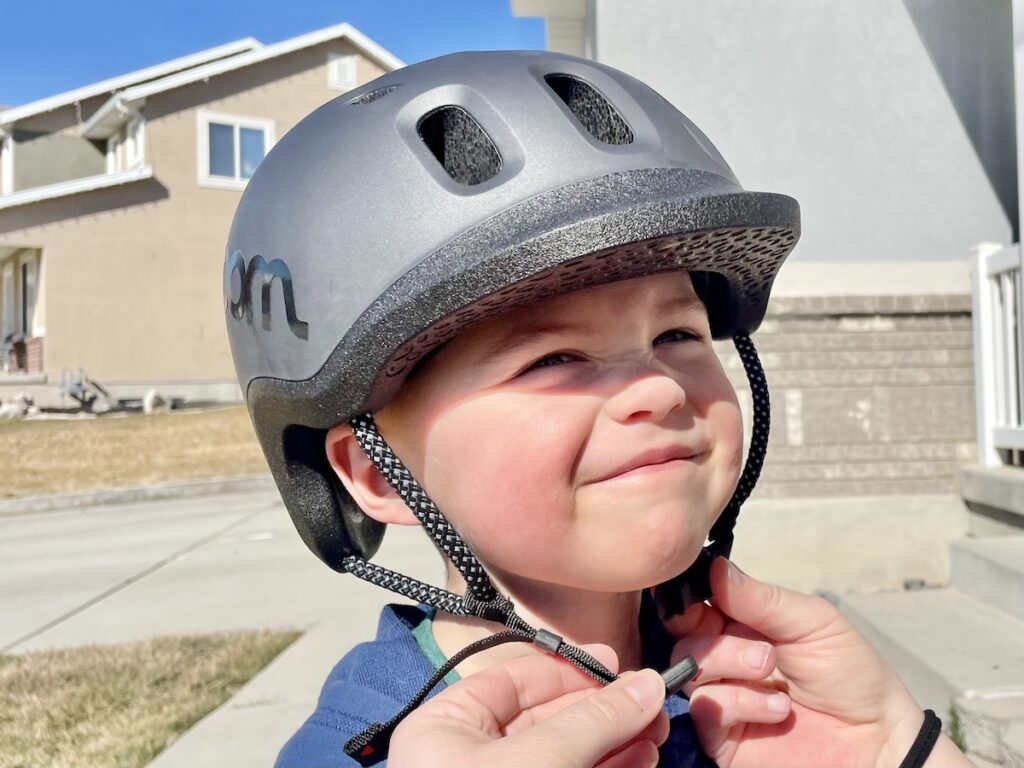
- Strap Adjustment: The chin strap should be snug but not uncomfortably tight, allowing for one to two fingers to fit beneath it. The Y-straps should meet just below your ears, forming a ‘V’ shape. While some models feature fixed strap splitters, many offer adjustments to ensure a comfortable and secure fit that prevents flapping.
For road riders seeking a blend of aerodynamic efficiency and top-tier safety, models like the POC Ventral Air MIPS represent a fantastic choice. Its meticulously designed ventilation channels ensure you stay cool even on punishing climbs, while the integrated MIPS system provides crucial rotational impact protection. Similarly, for the aggressive trail or enduro rider, the POC Kortal Race MIPS offers robust protection, including e-bike certification and advanced features like RECCO and NFC, making it a prime example of a helmet designed for challenging conditions. When looking to upgrade your gear, considering one of these leading POC bike helmets is a smart move for enhanced performance and unparalleled safety.
Longevity on Two Wheels: Maintenance, Care, and Specialized POC Helmets
A premium POC bike helmet is an investment in your safety, and with proper care, it can serve you well for years. Think of it like any other high-performance piece of gear—it needs a little love to stay in top condition.
Simple Steps for Lasting Protection
- Cleaning: After sweaty rides, clean your helmet gently. Use mild soap and lukewarm water to wipe down the exterior and interior pads. Avoid harsh chemical cleaners, as these can degrade the helmet’s materials, particularly the EPS foam, compromising its protective properties. Remove and wash detachable pads as per manufacturer instructions.
- Regular Inspection: Make it a habit to inspect your POC bike helmet regularly. Look for any visible signs of damage, such as cracks in the shell, dents in the foam, frayed straps, or malfunctioning adjusters. Even minor damage can affect the helmet’s ability to protect you.
- Proper Storage: Store your helmet in a cool, dry place, away from direct sunlight and extreme heat. High temperatures (like leaving it in a hot car) can damage the EPS liner over time, reducing its effectiveness. Hanging it by the straps can deform them; ideally, place it on a flat surface or a dedicated helmet hook.
When to Say Goodbye: Replacement Guidelines
Even if a helmet looks fine, its materials degrade over time. The general recommendation is to replace your POC bike helmet every 3 to 5 years, depending on usage and exposure to elements. Crucially, always replace your helmet immediately after any significant impact or crash, even if there’s no visible damage. The foam may have compressed internally, rendering it less effective for future impacts.
Specialized Helmets for Unique Adventures
POC’s range includes highly specialized helmets to meet diverse cycling demands:
- Full-Face Helmets: For gravity-defying mountain biking, the Otocon (lightweight enduro/DH-certified) and Coron Air (dedicated downhill) offer maximum facial and head protection.
- E-Bike Specific Helmets: The Kortal is certified for e-bike use, meeting stricter standards for higher impact speeds.
- Youth Helmets (POCito Line): Designed specifically for younger riders, models like the POCito Crane MIPS and POCito Omne MIPS offer the same commitment to safety, often in bright, high-visibility colors to enhance a child’s presence on the road or trail.
- Cold Weather Helmets: The Ventral Tempus features a fully covered shell, ideal for protection against wind, rain, and snow during colder rides.
The Unseen Guardian: Safety Benefits and Protective Features of POC Helmets
The primary benefit of wearing a POC bike helmet is, undeniably, safety. But it’s not just about meeting minimum standards; it’s about pushing boundaries to offer superior protection.
Comprehensive Impact Protection
POC helmets are designed to mitigate both linear and rotational forces. The combination of dense EPS foam and robust unibody shells provides excellent protection against direct impacts, while integrated technologies like MIPS (and previously SPIN) specifically address the dangers of rotational forces on the brain. This multi-faceted approach significantly reduces the risk and severity of head injuries.
For those riding on challenging terrain, features like Aramid Bridges in models like the Tectal offer an extra layer of penetration protection against sharp objects like rocks or branches.
Extended Coverage and Emergency Preparedness
Many POC mountain bike helmets, such as the Tectal and Kortal, are designed with extended coverage around the temples and the back of the head. This additional material protects vulnerable areas that are often exposed in conventional helmets, providing greater peace of mind during aggressive riding.
Furthermore, POC’s integration of emergency features like the twICEme® NFC Medical ID chip and RECCO reflectors speaks volumes about their commitment to post-crash safety. These features can be crucial in the moments following an accident, potentially saving lives by enabling rapid identification and location by emergency services. [cite: 2 from search result 5, 2]
Industry-Leading Safety Ratings
POC helmets consistently receive high praise in independent safety tests. For instance, the POC Cytal road helmet and Cularis MTB helmet have been ranked number one in their respective classes by Virginia Tech Helmet Ratings, a testament to POC’s relentless pursuit of safety excellence. [cite: 3 from search result 3, 5 from search result 3] Such high rankings provide objective verification that a POC bike helmet offers some of the best protection available on the market.
Riding Smart: How to Wear Your POC Helmet Correctly and Complement with Accessories
Having the best POC bike helmet is only half the battle; wearing it correctly ensures it can do its job when it matters most. Plus, pairing it with the right accessories can enhance your entire cycling experience.
The “Two-Finger” Rule for Optimal Helmet Wearing
Wearing your helmet correctly is surprisingly simple, yet often overlooked:
- Level on the Head: The helmet should sit level on your head, not tilted back to expose your forehead or forward to obscure your vision. The front rim should be about two fingers’ width above your eyebrows.
- Snug Chin Strap: Fasten the chin strap firmly. You should be able to fit no more than two fingers comfortably between the strap and your chin. Any looser, and the helmet can shift during an impact.
- Y-Straps Below Ears: The side straps should form a “Y” shape that meets just below your earlobes. Adjust these so they are snug against your face without chafing.
- Retention System Tightness: Use the rear dial to ensure a secure and comfortable fit around the circumference of your head. The helmet should feel snug without creating pressure points and shouldn’t move more than an inch in any direction when you shake your head.
Seamless Integration with Cycling Accessories
POC designs many of its bike helmets with accessory compatibility in mind:
- Goggles and Sunglasses: Many MTB helmets, like the Kortal, feature a high-pivoting visor that allows for easy storage of goggles underneath, or dedicated “eye garages” (front ventilation slots) to securely hold your sunglasses mid-ride. [cite: 2, 5 from search result 5] This thoughtful design means you don’t have to choose between eye protection and helmet comfort.
- Winter Gear: For cooler conditions, a thin cycling cap or skullcap can be worn under most POC bike helmet models for added warmth, though be mindful not to compromise the fit or ventilation. For truly cold or wet rides, specialized models like the Ventral Tempus offer integrated shell coverage for weather protection.
By adhering to these simple guidelines, you ensure your POC bike helmet performs optimally, providing the best possible protection on every ride.
Conclusion
Choosing a POC bike helmet means choosing a partner committed to your safety, pushing the boundaries of technology, and delivering on a promise of uncompromising design. From the “Whole Helmet Concept” that guides their every innovation to the meticulous integration of MIPS, NFC, and RECCO, every POC bike helmet is a testament to their dedication to protecting you.
Whether you’re a road warrior chasing KOMs, a mountain biker tackling technical descents, or a commuter navigating city streets, there’s a POC bike helmet engineered to meet your needs and exceed your expectations. So, go ahead, elevate your ride. Trust in the science, embrace the design, and enjoy the confidence that comes with knowing you’re protected by one of the best in the business. We encourage you to explore the diverse range of POC helmets and experience firsthand the blend of safety, comfort, and style that makes them a leader in the cycling world. Your next adventure awaits, safely.