Hitting the trails on your mountain bike is an exhilarating experience, a dance between rider and terrain. But as every seasoned rider knows, the thrill comes with its share of spills. That’s where your Mtb Bike Helmet steps in – not just a piece of gear, but your ultimate guardian, a silent promise of protection that allows you to push boundaries and explore with confidence. Far from being a mere accessory, a mountain bike helmet is a sophisticated piece of engineering designed to keep your most vital asset safe.
At uubux.com, we understand the profound connection riders have with their machines and the trails they conquer. We’re here to demystify the world of MTB bike helmets, offering you insights into their groundbreaking technologies, diverse styles, and essential care, ensuring you make an informed choice that enhances your safety and enjoyment on every ride.
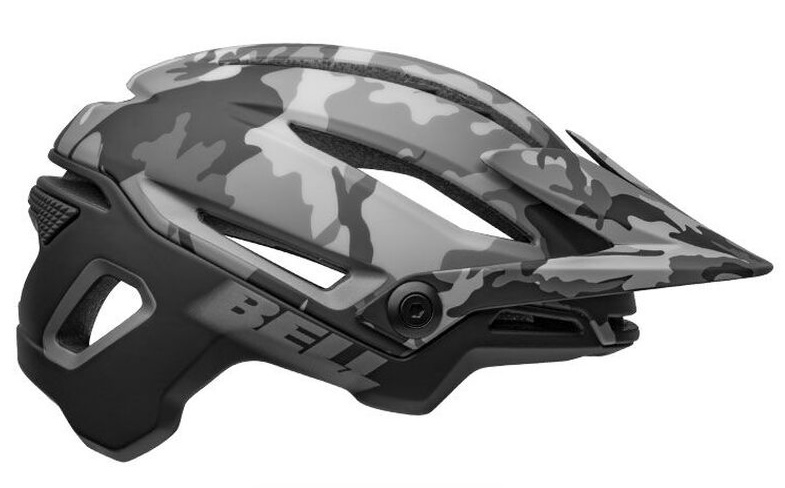
The Unseen Guardian: Origins and Evolution of the MTB Bike Helmet
The concept of head protection in cycling isn’t new, but the mountain bike helmet has carved its own unique evolutionary path. Early cycling helmets were rudimentary, often leather “hairnets” that offered minimal impact absorption. As cycling disciplines diversified, so did helmet design. Mountain biking, with its unpredictable terrain, higher speeds, and unique fall dynamics, demanded something more robust.
The evolution of the MTB bike helmet saw a shift towards increased coverage, particularly at the back and sides of the head, acknowledging the propensity for backward falls on technical trails. Visors became standard, shielding riders from sun, rain, and trail debris. What started as basic foam and shell combinations has blossomed into a field of intense innovation, driven by a singular goal: to maximize safety without compromising comfort or performance.
Beyond the Shell: Materials and Technologies Shaping Modern MTB Bike Helmets
Modern MTB bike helmets are marvels of material science and biomechanical understanding. They’re engineered to manage various types of impacts, from direct linear forces to more complex rotational energies.
The Core Protection: EPS Foam
At the heart of almost every MTB bike helmet lies Expanded Polystyrene (EPS) foam. This material is crucial because it’s designed to compress and deform upon impact, effectively absorbing and dissipating energy away from your head. Many advanced helmets now feature multi-density EPS foam, strategically placed with different densities to handle varying impact forces across different areas of the skull. This layered approach offers tailored protection, responding intelligently to the diverse stresses of a crash.
Tackling Rotational Forces: A Game-Changer in Safety
While EPS foam excels at linear impacts, research has increasingly highlighted the danger of rotational forces, which can cause significant brain injury even in seemingly minor crashes. This understanding has spurred the development of revolutionary technologies:
- MIPS (Multi-directional Impact Protection System): Perhaps the most widely adopted rotational impact protection system, MIPS utilizes a low-friction layer inside the helmet. In an angled impact, this layer allows the helmet to slide relative to the head by 10-15 millimeters, redirecting harmful rotational forces and potentially reducing strain on the brain.
- MIPS Spherical Technology: An evolution of the original, MIPS Spherical integrates the low-friction layer between two separate foam liners that act like a ball-and-socket joint. This allows for even more comprehensive management of impact energies and can incorporate dual-density foam more effectively.
- WaveCel: Featured in some helmets, WaveCel is a collapsible cellular structure lining the helmet. It’s designed to deform, flex, and glide, creating a “crumple zone” that absorbs both direct and rotational impact energy.
- Koroyd: This unique material consists of thousands of co-polymer extruded tubes, forming a lightweight, breathable, and impact-absorbing layer. Koroyd is often used in conjunction with MIPS to offer enhanced protection against both direct and angled impacts by crushing on impact to absorb energy.
- RLS (Release Layer System): An emerging technology, notably seen in the Canyon Deflectr helmet, RLS involves an outer layer of ball bearings beneath external panels. These panels are designed to shear off and allow the helmet to glide upon impact, significantly reducing rotational energy transferred to the head.
- ODS (Omni-Directional Suspension): Found in 6D Helmets, ODS uses an array of elastomeric isolation dampers between two EPS liners. This system effectively separates the inner and outer shells, allowing them to move independently during an impact, reducing angular and rotational acceleration.
Advanced Features for Modern Riders
Beyond core impact protection, cutting-edge MTB bike helmets integrate features designed for real-world trail challenges:
- RECCO Reflectors: These tiny electronic transponders are embedded in some helmets, allowing professional rescuers to pinpoint your location in an emergency, especially in remote areas.
- NFC Medical ID Chips: Small, integrated chips that can store vital medical information. In a critical situation, first responders can quickly scan the chip with a smartphone to access crucial data about the rider.
- Crash Sensors: Technologies like the Aleck Crash Sensor, available in some Smith helmets, detect impacts and can automatically send alerts to emergency contacts via a paired smartphone app, even when you’re out of cell service for an extended period. This proactive approach to safety offers an invaluable layer of reassurance.
Finding Your Perfect Lid: A Comprehensive Guide to Choosing and Adjusting Your MTB Bike Helmet
Choosing the right MTB bike helmet isn’t a one-size-fits-all endeavor. It’s a blend of matching your riding style, ensuring a precise fit, and considering the features that matter most to you.
Understanding Your Ride Style
Your style of mountain biking dictates the type of helmet that will offer optimal protection and comfort:
- Cross-Country (XC) Helmets: These are typically the lightest and most ventilated MTB helmets, resembling road cycling helmets but often with a slightly deeper rear coverage and a visor. They are designed for long climbs and fast-paced riding where airflow is paramount.
- Trail/All-Mountain Helmets: The most common choice for general trail riding, these helmets strike a balance between ventilation and increased coverage, particularly around the temples and back of the head. They’re versatile, offering comfort for varied terrain and sufficient protection for moderate technical sections.
- Enduro/Aggressive Trail Helmets (¾ Shell): For riders tackling more aggressive trails, enduro helmets offer even more extended coverage, often reaching over the ears but without the full chin bar of a downhill helmet. They provide enhanced protection while maintaining reasonable ventilation for pedaling.
- Downhill/Freeride Helmets (Full-Face): When gravity is your best friend and speeds are high, a full-face MTB bike helmet is indispensable. These helmets offer maximum protection, covering the entire head and face with a rigid chin bar. While they offer less ventilation and are heavier, they are a non-negotiable for bike parks, downhill racing, and big jumps.
- Convertible Helmets: Offering the best of both worlds, convertible helmets feature a removable chin bar, allowing you to switch between a full-face setup for descents and an open-face design for climbs, balancing protection with ventilation.
The Art of the Perfect Fit
A helmet can boast all the cutting-edge technology in the world, but if it doesn’t fit correctly, its protective capabilities are severely compromised.
- Measure Your Head: Use a flexible tape measure to find the circumference of your head, placing it just above your eyebrows and ears. Compare this measurement to the helmet manufacturer’s sizing chart.
- Snugness and Stability: A properly fitting MTB bike helmet should feel snug all around your head, with no pressure points, yet not uncomfortably tight. It should sit level on your head, with the front edge one to two finger-widths above your eyebrows.
- The Shake Test: With the straps unbuckled, try shaking your head vigorously. The helmet should stay securely in place, without rocking forward, backward, or side-to-side. If it moves, it’s too loose.
- Strap Adjustment: The chin straps should form a “V” shape just below your ears. The chin strap buckle should be snug enough that you can fit no more than one finger between the strap and your chin. This ensures the helmet stays on during an impact.
- Adjustable Cradles and Dials: Most modern MTB bike helmets feature an adjustable retention system at the back, often a dial, that allows you to fine-tune the fit around the circumference of your head, enhancing stability and comfort.
Key Features to Look For
Once you’ve narrowed down the type and ensured a proper fit, consider these additional features:
- Ventilation: Look for ample and strategically placed vents to promote airflow, keeping you cool on hot days and during strenuous climbs.
- Visor: A staple of MTB helmets, visors protect against sun glare, rain, and trail debris. Many are adjustable, allowing you to position them as needed, and some are designed to break away in a crash to reduce rotational forces.
- Eyewear Integration: Consider how well the helmet works with your sunglasses or goggles. Some helmets have specific “eyewear garages” or channels to securely stow glasses when not in use, and full-face helmets are designed to seamlessly integrate with goggles.
- Buckle Systems: Magnetic Fidlock buckles are increasingly popular for their ease of use, even with gloves on.
- Accessory Mounts: If you plan to attach a GoPro or a light, check for integrated or compatible mounting points. Be mindful that aftermarket mounts can sometimes compromise helmet safety by creating snag points.
- Weight: While protection is paramount, a lighter helmet can significantly improve comfort on long rides, especially for XC or trail riding.
Keeping Your MTB Bike Helmet Trail-Ready: Maintenance and Specialized Care
Just like your bike, your MTB bike helmet needs a little love to perform its best and last longer. Proper care isn’t just about aesthetics; it’s about preserving its protective integrity.
Routine Cleaning
Regular cleaning prevents odor buildup and material degradation:
- Helmet Shell: After each ride, gently wipe the helmet’s exterior with a soft cotton cloth dampened with water and mild soap. Avoid abrasive materials that can scratch the shell. You can also use a small amount of car wax occasionally to maintain its sheen.
- Interior Padding: Most helmet pads are removable. Handwash them gently in cold water with a mild detergent or soap. Do not use a washing machine or brush, as this can deform the pads and affect their elasticity. Rinse thoroughly and allow them to air dry completely before reinserting them.
- Straps: Clean straps with water and mild soap, gently rubbing them to remove dirt and sweat.
- What to Avoid: Never use harsh chemicals, solvents, petroleum-based products (like some insect repellents with DEET), or abrasive cleaners, as these can severely degrade helmet materials and compromise their protective qualities. Avoid machine washing or drying any helmet components, and never leave your helmet to dry in direct sunlight or expose it to extreme heat (e.g., inside a hot car), which can damage the EPS liner and shell.
Proper Storage
How you store your helmet impacts its longevity:
- Store your MTB bike helmet in a cool, dry place, away from direct sunlight and extreme temperatures.
- Always store it upright, as it would sit on your head, to prevent dents or cracks in the shell or foam.
- Avoid placing heavy objects on top of your helmet, which can deform the foam.
When to Say Goodbye
Helmets are designed for a single significant impact. Knowing when to replace your helmet is crucial for your safety:
- After Any Impact: If your MTB bike helmet has been involved in a crash and taken any hit to the head, replace it immediately. Even if there’s no visible damage (cracks, dents), the internal foam may have compressed or fractured, compromising its ability to protect in future impacts. Think of it like an airbag – once deployed, it needs replacing.
- General Lifespan: Even without a crash, helmet materials degrade over time due to UV exposure, sweat, and general wear and tear. Most manufacturers and safety organizations, like MIPS, recommend replacing your MTB bike helmet every three to five years.
- Signs of Wear and Tear: Regularly inspect your helmet for visible cracks or dents in the shell, deterioration of the EPS foam, fraying or damage to the straps, or if the retention system no longer adjusts properly and securely. If the fit changes (e.g., after a new haircut) and you can’t get a snug, secure fit, it’s time for a new one.
The Ultimate Ride Companion: Safety Benefits and Accessory Pairing with Your MTB Bike Helmet
Wearing an MTB bike helmet isn’t just a rule; it’s a life-saving decision. Research consistently shows that helmets significantly reduce the risk of head injuries by over 50% and fatal head injuries by up to 65% in cycling accidents. For mountain biking, where unpredictable terrain and dynamic forces are the norm, this protection is invaluable.
Beyond safety, a well-chosen helmet enhances your riding experience by providing comfort, managing sweat, and allowing for seamless integration with other essential gear:
- Goggles and Sunglasses: Many MTB helmets are designed with channels or specific areas to comfortably integrate with goggle straps or to securely stow sunglasses when not in use. This ensures clear vision and protects your eyes from debris, wind, and sun.
- Lights and Cameras: While some helmets offer integrated mounts, many riders attach aftermarket lights for night riding or cameras to capture their adventures. Always ensure these accessories don’t interfere with the helmet’s fit, ventilation, or safety features, and consider mounts designed to break away in a crash.
Frequently Asked Questions
How often should I replace my MTB helmet?
Even without a crash, replace your MTB bike helmet every 3-5 years due to material degradation from UV exposure, sweat, and general wear. If it sustains any impact to your head, replace it immediately, regardless of visible damage.
Can I use a road helmet for mountain biking?
While a road helmet offers basic head protection, MTB bike helmets provide extended coverage around the back and sides of the head, which is crucial for mountain biking’s unique fall dynamics. They also typically feature visors and better eyewear integration suited for off-road conditions. For optimal safety, use a helmet designed specifically for mountain biking.
What is MIPS, and do I need it?
MIPS (Multi-directional Impact Protection System) is a low-friction layer inside the helmet designed to reduce rotational forces on the brain during angled impacts. Given that most crashes involve angled impacts, MIPS-equipped helmets consistently rank high in safety tests. While it adds a small amount of weight and cost, the enhanced safety benefits make it a highly recommended feature for any serious MTB rider.
How do I know my MTB helmet fits correctly?
A correctly fitting MTB bike helmet should feel snug all around your head, sit level with the front edge 1-2 finger widths above your eyebrows, and not rock forward, backward, or side-to-side when you shake your head (with straps unbuckled). The chin straps should form a “V” below your ears, and the buckle should be snug with about one finger’s space under your chin.
Are full-face helmets necessary for all MTB riding?
Full-face helmets offer maximum protection for the entire head and face, making them essential for downhill racing, bike parks, and aggressive freeride. For cross-country, trail, or less aggressive enduro riding, a half-shell or open-face enduro helmet provides a better balance of protection, ventilation, and weight for prolonged pedaling. Your riding style and the risk level of the terrain should guide your choice.
Elevate Your Ride, Safeguard Your Adventure
The world of mountain biking is dynamic, demanding, and incredibly rewarding. With every pedal stroke, every descent, and every challenge conquered, you’re not just riding a bike; you’re living an adventure. And at the core of that adventure, your MTB bike helmet stands as an unwavering sentinel, silently assuring your safety.
From the pioneering materials like EPS foam to the groundbreaking rotational impact protection systems like MIPS, WaveCel, Koroyd, and RLS, technology continues to redefine what’s possible in head protection. Understanding these innovations, selecting the right helmet for your riding style, ensuring a perfect fit, and committing to diligent care are all crucial steps in maximizing your safety and extending the life of your essential gear.
So, gear up, choose wisely, and embrace the trails with the confidence that uubux.com is here to empower your passion for two wheels, one safe ride at a time. The mountain awaits, and with the right MTB bike helmet, you’re ready to answer its call.