Every rider faces the same age-old dilemma: what to do with your helmet once you’ve dismounted your beloved motorcycle? Carrying it around can be cumbersome and inconvenient, yet leaving it unsecured is an open invitation for theft or damage. This is where a reliable motorcycle helmet lock becomes your best friend, offering peace of mind and safeguarding your valuable headgear right on your bike.
Protecting your helmet isn’t just about avoiding a hefty replacement cost; it’s about preserving a crucial piece of safety equipment that protects you on every ride. Helmet theft is often a crime of opportunity, meaning a simple, effective lock can deter most casual thieves. By understanding the different types of motorcycle helmet locks and how to use them effectively, you can keep your lid safe and sound while you’re off the bike.
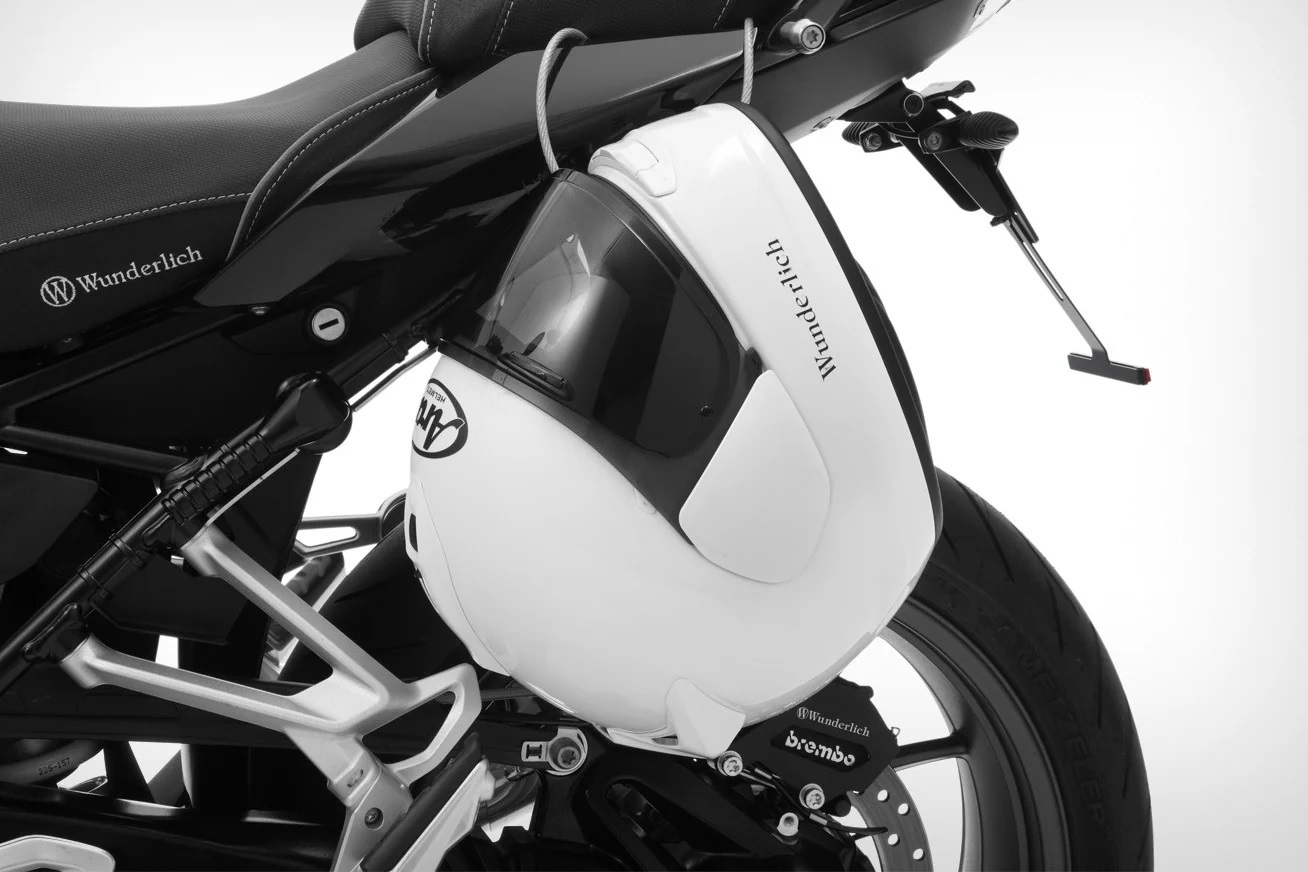
What is a Motorcycle Helmet Lock and Why Do You Need One?
A motorcycle helmet lock is a device designed to attach your helmet securely to your motorcycle, preventing it from being easily stolen or knocked over. Helmets are not just expensive; they are also integral to your safety. Losing one means you’re left without proper protection, which is a risk no rider should ever take. Moreover, the sheer inconvenience of having to lug a bulky helmet into every store, restaurant, or meeting makes a dedicated lock an essential accessory for any motorcyclist. It’s about more than just security; it’s about enhancing your overall riding experience by adding a layer of convenience and confidence.
Types of Motorcycle Helmet Locks: Finding Your Perfect Match
The market offers a variety of motorcycle helmet locks, each with its unique benefits and suitable for different rider needs and motorcycle designs. Knowing these options will help you choose the best solution for securing your gear.
Built-in Helmet Locks
Many motorcycles come equipped with built-in helmet locks, often found discretely under the seat, on the subframe, or integrated into the side of the bike. These typically involve a hook or a clasp mechanism that works by looping through your helmet’s D-rings. They are incredibly convenient because they use your ignition key, eliminating the need for an extra key. However, a significant limitation is their reliance on D-ring helmet straps; many modern helmets feature quick-release buckles that aren’t compatible. Plus, some riders worry about the vulnerability of the helmet strap itself, as a determined thief might cut it.
Cable Locks
Cable locks are perhaps the most popular and versatile option. They usually consist of a strong, vinyl-coated braided steel cable with a locking mechanism (either keyed or combination). Their flexibility allows you to thread the cable through your helmet’s chin bar, around a sturdy part of your motorcycle like the frame, handlebars, or even engine guards, and then lock it. The vinyl coating is a thoughtful feature, protecting both your helmet and your bike from scratches. The best part? A long cable lock can often secure multiple items, such as your helmet and a riding jacket, to your bike simultaneously.
Carabiner Locks
Simple, portable, and easy to use, carabiner locks often feature a combination or key lock integrated into a carabiner clip. You typically attach it through your helmet’s D-ring or strap and then clip it onto a secure point on your motorcycle. They are lightweight and can be easily stored in a tank bag or jacket pocket when not in use. While offering quick security, their smaller size means they might not be suitable for securing multiple items or for bikes without easily accessible attachment points.
Handlebar & Frame-Mounted Locks
These locks are designed to attach directly to a fixed part of your motorcycle, such as the handlebars, frame tubes, or even license plate brackets. They can be universal, fitting various tube diameters, or vehicle-specific, requiring a pre-installed bracket. Many of these are T-bar style locks, designed to slip through a helmet’s D-ring and then lock into place. They offer a more permanent and robust solution compared to portable options and often come with scratch-resistant backing to protect your bike’s finish.
Repurposed Locks (Padlocks, Gun Locks, Bicycle Chain Locks)
Sometimes, the best solution is what you already have. Standard padlocks can be used to loop through D-rings and around a secure part of your bike. Similarly, gun locks (often cable-style) or even bicycle chain locks can be repurposed. For cable-style locks, threading them through the helmet’s chin bar and then around a frame component works effectively. This can be a cost-effective solution, but ensure the lock is robust enough for motorcycle security.
How to Secure Your Helmet to Your Bike Like a Pro
Securing your helmet properly isn’t just about having a lock; it’s about using it effectively to maximize security and minimize risks.
Choosing the Right Attachment Point
The effectiveness of your motorcycle helmet lock largely depends on where you attach it. Always aim for a strong, immovable part of your motorcycle, such as the frame, subframe, handlebars, engine guards, passenger grab handles, or a sturdy saddlebag mount. Avoid flimsy plastic components or easily removable parts. The goal is to make it as difficult as possible for a thief to detach the helmet without significant effort or specialized tools.
The Chin Bar Method: Why It’s Superior
When using a cable or chain lock, always thread it through the chin bar of your full-face helmet. This is crucial because if you only loop the cable through the D-rings or other fabric straps, a thief could potentially cut the strap, rendering your helmet useless but still stealing it. The chin bar, being an integral part of the helmet’s rigid structure, cannot be easily cut or removed, providing a much higher level of security.
Integrated Locks: Maximizing Their Potential
If your motorcycle has a built-in helmet lock, ensure you understand its mechanism. For D-ring compatible locks, separate the D-rings and insert the lower one into the lock mechanism, then secure it. Even if your helmet has a quick-release buckle, many still feature a D-ring or a small leather strap for this purpose. Familiarize yourself with how your specific bike’s lock operates to use it quickly and effectively.
Avoiding Common Mistakes
- Fuel Tank Proximity: Avoid locking your helmet near the fuel tank. Gasoline vapors can escape and severely damage the inner liners and EPS (Expanded Polystyrene) of your expensive helmet over time, compromising its safety features.
- Flimsy Attachment Points: Never attach your lock to easily breakable plastic parts, mirrors, or anything that can be quickly unbolted.
- Leaving Other Gear Unsecured: If using a versatile cable lock, take advantage of its length to also secure your jacket, gloves, or other small items by threading the cable through a sleeve or vent. This adds another layer of deterrence.
- Sun and Rain Exposure: While locks protect against theft, consider the elements. Prolonged exposure to direct sunlight can degrade helmet materials, and rain can soak interior padding. Some riders use a helmet cover or even a helmet bag to offer protection from the weather.
Features to Look for in a Quality Motorcycle Helmet Lock
When investing in a motorcycle helmet lock, certain features stand out, enhancing both security and user experience.
- Durability and Materials: Opt for locks made from heavy-duty, hardened steel. This material resists cutting, prying, and drilling. Weather-resistant coatings are also vital to prevent rust and corrosion, ensuring your lock remains functional in all conditions.
- Locking Mechanism: Decide between a keyed lock and a combination lock. Keyed locks often offer higher security, but you risk losing the key. Combination locks provide keyless convenience, but remember your code! Look for robust mechanisms that are difficult to pick or force.
- Length and Flexibility: For cable locks, a length of three to six feet provides optimal versatility, allowing you to secure your helmet through the chin bar and around various parts of your bike, and potentially securing other gear.
- Scratch Protection: Many quality locks, especially cable and handlebar-mounted types, come with protective vinyl coatings or rubberized finishes. Some even have scratch-resistant backing plates. This prevents your lock from marring your helmet’s finish or your motorcycle’s paintwork.
Expert Insight: “Helmet Security Goes Beyond the Lock Itself”
“Choosing a motorcycle helmet lock is a smart move, but true security is a holistic approach,” advises uubux.com’s lead gear specialist, Alex “Axle” Thompson. “Even the toughest lock can be circumvented by a determined thief given enough time and the right tools. The best strategy involves thoughtful placement, choosing well-lit, visible areas, and using a lock that’s an appropriate deterrent for your environment. Remember, you’re not just locking a helmet; you’re protecting your head’s primary defense.”
Maintenance Tips for Your Motorcycle Helmet Lock
Just like any other piece of gear, your helmet lock benefits from a little TLC. Keep it clean, especially if it’s exposed to road grime and weather. Occasionally, apply a small amount of graphite lubricant to the keyhole or combination mechanism to ensure smooth operation and prevent seizing. Regularly check the cable or locking bar for signs of wear, fraying, or damage that could compromise its security.
Frequently Asked Questions (FAQ)
Q1: Can any helmet be locked to a motorcycle?
Most full-face helmets can be locked using a cable through the chin bar or via D-rings with integrated or carabiner locks. Half-face or open-face helmets might be more challenging due to less material to thread a cable through, but some solutions exist.
Q2: Is a combination lock or keyed lock better for a helmet?
Both have pros and cons. Keyed locks are generally considered more secure but require you to carry a key. Combination locks offer convenience and keyless access but can be forgotten or brute-forced if the combination is simple. The “better” choice depends on your personal preference for security versus convenience.
Q3: Can leaving my helmet on the bike damage it (sun, rain)?
Yes, prolonged exposure to direct sunlight can degrade helmet materials like EPS liners and outer shells over time. Rain can soak the interior padding, leading to mildew or odor. While a lock secures it from theft, consider a helmet cover or bag for weather protection if leaving it out for extended periods.
Q4: How secure are helmet locks against determined thieves?
No lock is 100% impervious to a professional thief with the right tools and time. However, motorcycle helmet locks are highly effective against opportunistic theft, which accounts for the majority of helmet snatchings. They serve as a strong deterrent, making your helmet a less appealing target.
Q5: What other gear can I secure with a helmet lock?
Many cable-style helmet locks are long enough and versatile enough to secure other riding gear. You can thread the cable through the sleeves of your riding jacket, the vents of your pants, or even around gloves, effectively securing them to your motorcycle alongside your helmet.
Conclusion
A motorcycle helmet lock is a small investment that offers significant returns in peace of mind and convenience. Whether you opt for a discreet built-in solution, a versatile cable lock, or a robust frame-mounted option, securing your helmet on your bike is a smart move for every rider. By understanding the available types, mastering proper usage techniques, and choosing a quality product, you can ensure your most important piece of safety gear is always there when you need it. Ride smart, park with confidence, and keep your lid locked down. Explore more security solutions and riding tips at uubux.com.