Taking your little one along for a bike ride is a joyful experience, creating cherished family memories and fostering a love for the outdoors. But before you embark on those adventures, ensuring your baby’s safety is paramount, and that means equipping them with the right Infant Bike Helmet. This isn’t just about following rules; it’s about providing the best possible protection for their most precious asset – their developing brain. A properly fitted and certified infant bike helmet can significantly reduce the risk of serious head injuries, giving you peace of mind on every journey.
Why Every Little Rider Needs an Infant Bike Helmet
An infant bike helmet is specifically designed to meet the unique needs of babies and young toddlers who are passengers in bike seats or trailers, or perhaps just beginning their journey on balance bikes. Unlike adult helmets, infant bike helmets prioritize a lightweight design, superior comfort, and often feature a flatter back for compatibility with child seats. Their crucial role is to act as a protective shield, absorbing impact in the unfortunate event of a fall or collision, thereby reducing the risk of severe head and brain injuries. It’s a small investment for such a significant safety benefit.
When is a baby ready to wear an infant bike helmet? Generally, infants are ready to start wearing a helmet when they can sit upright unassisted and have developed sufficient neck strength to support the helmet’s weight, which typically occurs around 9 to 12 months of age. While some sources might suggest earlier, medical professionals often recommend against carrying children under one year old as passengers on bicycles due to concerns about neck strength and potential injury risks [cite: 5, 5.1]. Always consult your pediatrician to confirm your child’s readiness for cycling adventures.
Decoding Infant Bike Helmet Technology and Materials
Understanding what goes into an infant bike helmet helps you appreciate the protection it offers. It’s more than just a colorful cap; it’s a carefully engineered piece of safety gear.
The Anatomy of Safety
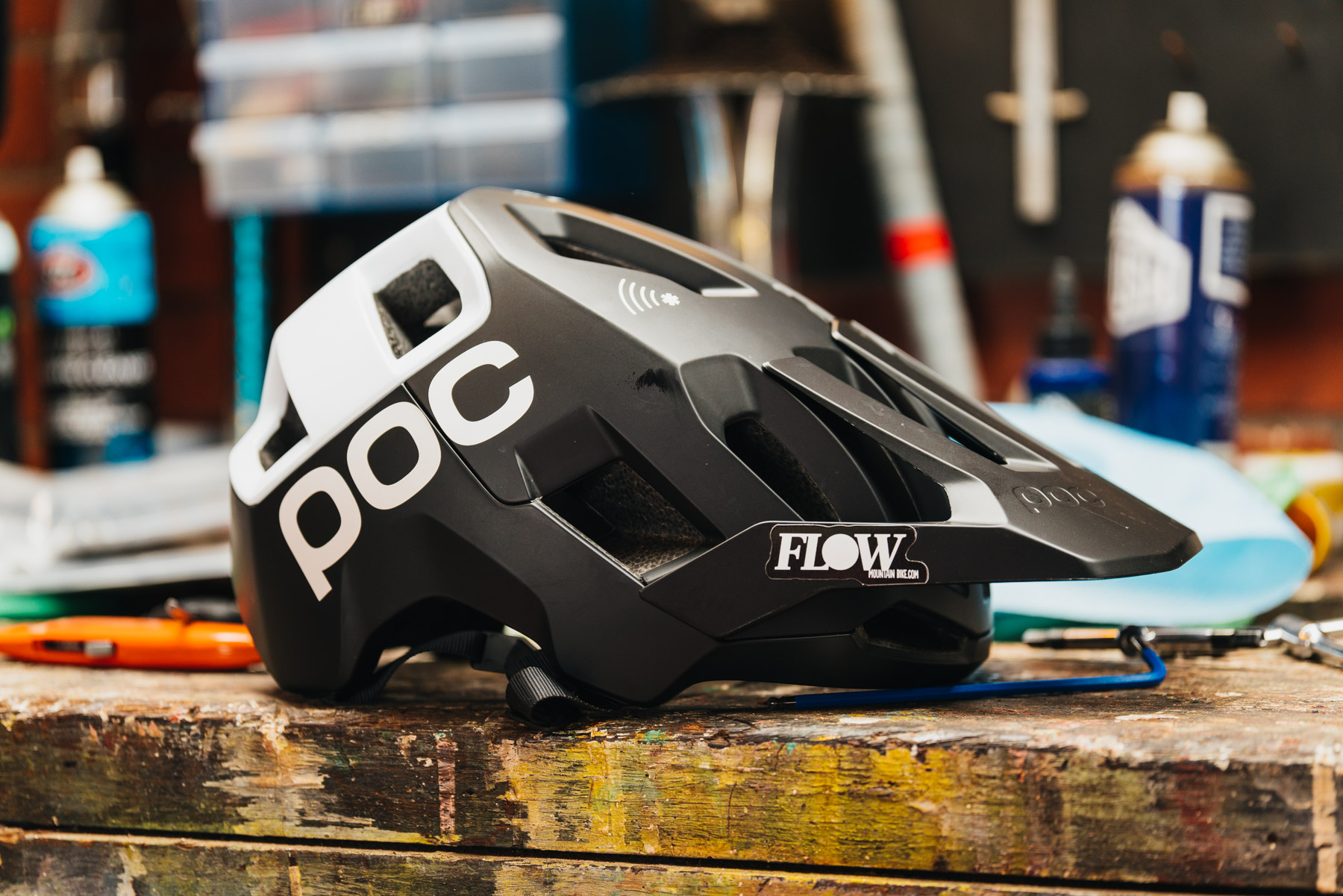
At its core, every quality infant bike helmet is built with specific layers designed to protect. The outer shell, typically made from hard plastic or PVC, provides a durable barrier against punctures and abrasion during an impact. Beneath this, the impact-absorbing liner, usually made of expanded polystyrene (EPS) foam, is the helmet’s workhorse, designed to compress and dissipate the force of a blow, cushioning your baby’s head. Inside, soft inner padding ensures a snug, comfortable fit and helps manage sweat, making the helmet more pleasant for your little one to wear for extended periods.
Advanced Safety Features
Beyond the basic construction, modern infant bike helmets incorporate features that enhance safety and comfort. MIPS (Multi-directional Impact Protection System) is an increasingly popular technology designed to add an extra layer of protection against rotational forces that can occur during angled impacts, further safeguarding your child’s brain [cite: 3.3, 4.4, 4.1]. Given the unpredictable nature of falls, this can be a significant advantage.
Ventilation is also key. Helmets with multiple vents help air circulate, preventing your baby’s head from overheating, especially on warm days. Look for helmets with generous vent openings. A lightweight design is absolutely crucial for infants and toddlers whose neck muscles are still developing [cite: 3.3, 3.4]. A heavy helmet can cause discomfort and strain, making them less likely to wear it consistently. Additionally, many infant bike helmets feature a flat back design. This thoughtful ergonomic detail ensures that the helmet sits comfortably against the backrest of a bike seat or trailer without pushing your baby’s head forward into an uncomfortable position [cite: 2.2, 5.2].
A Parent’s Guide to Choosing and Adjusting the Perfect Infant Bike Helmet
Selecting the right infant bike helmet can feel daunting with so many options, but focusing on fit, safety standards, and key features will guide you.
How to Measure Your Baby’s Head for a Helmet
The most critical factor in helmet safety is fit, and that starts with an accurate measurement of your baby’s head circumference. Don’t rely solely on age ranges, as head sizes vary greatly among children [cite: 1, 2.2, 2.3].
To measure, use a soft measuring tape and wrap it around the widest part of your child’s head, approximately one inch (or two finger-widths) above their eyebrows [cite: 1, 3.2, 4.3]. Record this measurement in centimeters, then compare it to the helmet manufacturer’s sizing guide. Always buy a helmet that fits now, not one they’ll “grow into” [cite: 1.1].
Understanding Safety Certifications
Helmet certifications are not just decorative labels; they are proof that a helmet has undergone rigorous testing to meet specific safety standards [cite: 3.1]. In the U.S., any infant bike helmet sold must meet the CPSC (Consumer Product Safety Commission) standard for bicycle helmets [cite: 1, 3.1]. This certification confirms tests for impact absorption, strap strength, retention, and coverage area [cite: 3.1]. Globally, you might also see certifications like CSA (Canadian Standards Association), ASTM (American Society for Testing and Materials), Snell, EN1078 (European Standards), or AS/NZS (Australian/New Zealand Standard). Always look for at least one of these certifications inside the helmet.
The Golden Rules of Helmet Fit: The 2-V-1 Method
Once you have the correct size, proper adjustment is vital. Follow the “2-V-1 Rule” for a secure and safe fit [cite: 1.1, 2.1]:
- 2 Fingers: The helmet should sit level on your child’s head, with no more than two finger-widths above their eyebrows [cite: 1.1, 4.1]. If it’s too high, it won’t protect their forehead.
- V-Straps: The side straps should form a “V” shape just under each earlobe [cite: 1.1, 4.1]. Ensure the straps lay flat against the head.
- 1 Finger: When the chin strap is buckled, only one finger should fit snugly between the strap and your child’s chin [cite: 1.1, 2.1, 4.1]. It should be tight enough that if your child opens their mouth wide, you can see the helmet pull down slightly on top of their head.
After adjustment, the helmet should not wobble from side to side or tilt back and forth when your child shakes their head [cite: 1.1, 2.1].
Key Features to Look For
Beyond fit and certifications, consider adjustability. Many infant bike helmets come with dial-fit systems at the back, allowing for easy, precise adjustments as your child grows and ensuring a snug fit every time [cite: 2.1, 5.1]. Pinch-guard buckles are a thoughtful addition, preventing accidental skin pinches when fastening the chin strap, which can make a huge difference in a squirmy baby’s comfort. Lastly, while safety is paramount, don’t underestimate the power of comfort and style. A helmet your child finds comfortable and visually appealing (with fun colors or designs) is one they are more likely to wear consistently [cite: 3.2]. A small visor can also offer added protection from the sun and light rain.
Caring for Your Infant’s Helmet: Maintenance and Replacement
An infant bike helmet is a durable piece of gear, but it needs proper care to maintain its protective integrity. For cleaning, use only mild soap and water to wash the outer shell and inner pads [cite: 1.1, 1.2, 5.1]. Harsh chemicals can damage the helmet’s materials.
Knowing when to replace a helmet is just as important as knowing how to choose one. Helmets are designed to withstand one significant impact. You must replace an infant bike helmet immediately after any crash or hard fall, even if there are no visible signs of damage, as the internal foam structure may have been compromised [cite: 1.1, 2.1, 4.4]. Additionally, helmets degrade over time due to UV exposure and general wear, so it’s recommended to replace them every three to five years [cite: 1.1]. Avoid storing helmets in hot places like a car trunk, as extreme heat can deteriorate the foam [cite: 1.1, 2.1].
Integrating Helmets with Your Cycling Adventures
Making helmet-wearing a natural part of your family’s cycling routine is key to long-term safety. If your baby rides in a bike seat or trailer, ensure the helmet’s design, particularly the back, allows for comfortable head resting without pushing their head forward [cite: 2.2, 4.4].
The best way to encourage consistent helmet use is to start early and lead by example. If your child sees you wearing a helmet, they are more likely to adopt the habit themselves [cite: 3.2, 4.2]. Establish a “no helmet, no ride” rule from the very beginning. It’s also wise to teach your child to remove their helmet before playing on playgrounds or climbing equipment, as straps can get caught and pose a strangulation risk [cite: 4.2].
Expert Insight: What the Pros Say
“When it comes to our littlest cyclists, safety isn’t just a recommendation; it’s a non-negotiable,” says Dr. Anya Sharma, a leading pediatric safety specialist and avid cyclist. “Parents often ask if a lightweight helmet truly makes a difference. My answer is always yes. An infant’s neck muscles are still developing, and any unnecessary strain can lead to discomfort or, worse, compromise their posture in a crash. Prioritize a helmet that feels almost weightless to them, combined with CPSC certification and, ideally, MIPS technology for that extra layer of rotational protection.”
Frequently Asked Questions about Infant Bike Helmets
Here are some common questions parents have when looking for an infant bike helmet:
Q1: Is there a minimum age for an infant to wear a bike helmet?
A1: While helmets are available for very small heads, most experts and pediatricians recommend that babies be at least 9-12 months old, with strong enough neck muscles to support their head and the helmet’s weight, before riding in a bike seat or trailer [cite: 2.2, 5.1, 5.1].
Q2: Can I use an older sibling’s hand-me-down helmet?
A2: It’s generally not recommended to use a hand-me-down or used helmet. Helmets should be replaced after any impact, and unseen damage can compromise their protective capabilities. Additionally, helmet materials degrade over time, and older helmets may not meet the latest safety standards [cite: 1.1, 4.2].
Q3: What if my baby doesn’t like wearing the helmet?
A3: Start early, be consistent, and make it a positive experience. Let them pick a helmet with a fun design, praise them for wearing it, and ensure it’s comfortable and fits correctly. Remember, “no helmet, no ride” is a powerful message [cite: 3.2].
Q4: Are multi-sport helmets suitable for infants?
A4: Some multi-sport helmets are certified for cycling and other activities, but always check for the specific CPSC (or equivalent) bicycle safety certification inside the helmet [cite: 4.2]. Ensure it meets all the criteria for an infant bike helmet, especially concerning weight and fit for a bike seat or trailer.
Q5: How do I know if the helmet is too heavy for my baby?
A5: A good infant bike helmet should weigh between 200-300 grams [cite: 3.3]. If your baby’s head wobbles excessively or they seem visibly uncomfortable or strained while wearing it, the helmet might be too heavy or improperly fitted. Prioritize lightweight options.
Conclusion
Equipping your child with an infant bike helmet is one of the most proactive steps you can take to ensure their safety on family cycling adventures. From understanding crucial safety standards like CPSC to mastering the 2-V-1 fit rule and selecting a lightweight, comfortable design, every detail contributes to their protection. By making the infant bike helmet a natural and non-negotiable part of every ride, you’re not just safeguarding their physical well-being; you’re instilling a lifelong habit of safety. So go ahead, choose the best infant bike helmet for your little one, and enjoy those precious moments on two wheels, knowing their little head is well-protected.