When the mercury drops, cyclists often wonder how their essential safety gear—the bike helmet—fares against the cold. The term “Frozen Bike Helmet” can conjure up two very different images: perhaps a child’s brightly colored helmet adorned with characters from a popular animated film, or the more serious concern of a helmet exposed to extreme, freezing temperatures. At uubux.com, we champion both safety and innovation, and understanding how your helmet performs, whether it’s a “Frozen”-themed delight or one literally chilled to the bone, is paramount for every rider.
This article delves into the nuances of bike helmets in cold conditions, examining material resilience, safety standards, and practical tips to ensure your head protection remains effective and comfortable, no matter the weather. We’ll explore how modern technology addresses the challenges of winter riding, empowering you to make informed decisions for year-round cycling safety.
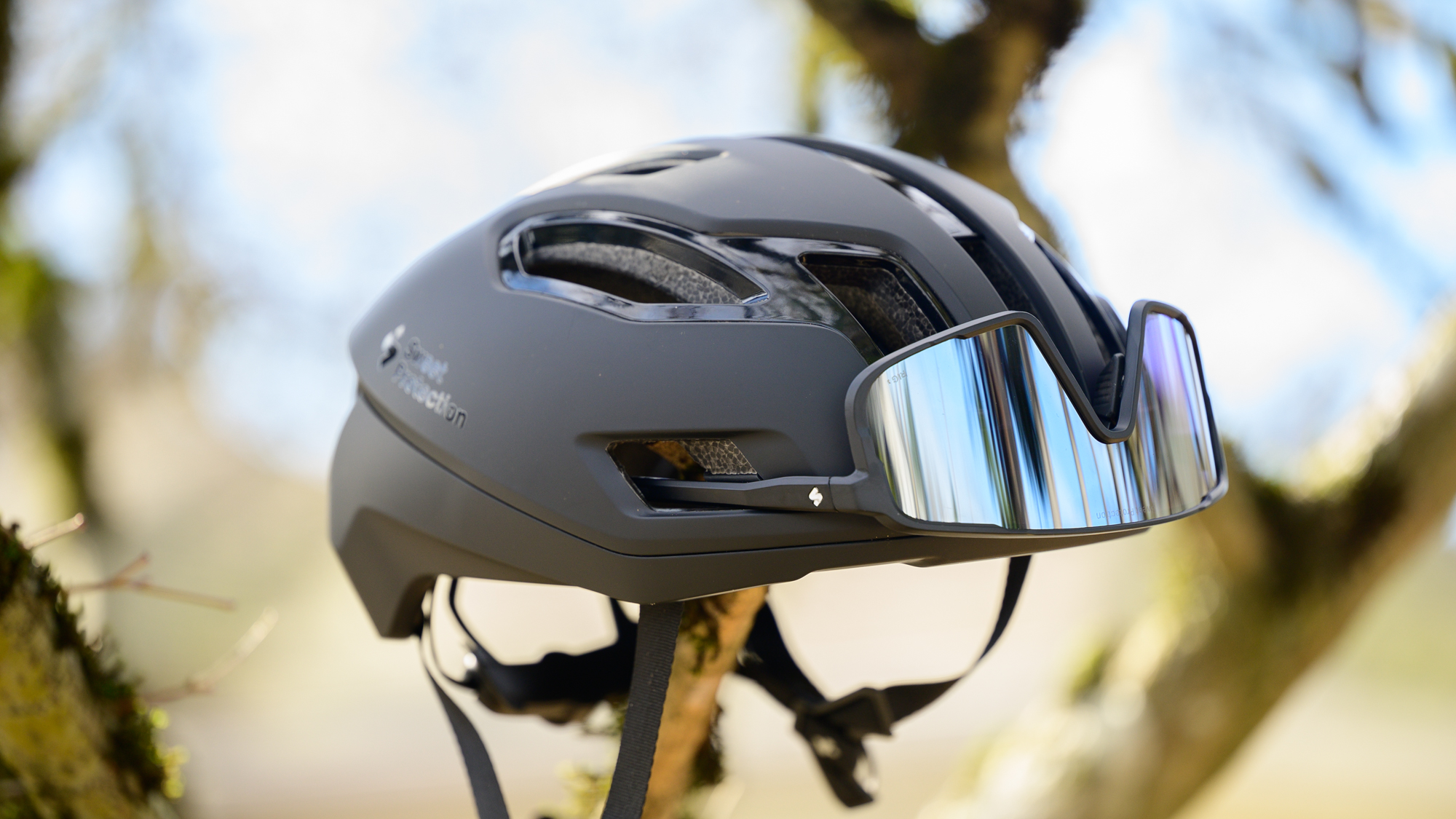
Understanding “Frozen” Helmets: Beyond the Themed Designs
The phrase “frozen bike helmet” immediately brings to mind popular children’s gear inspired by the beloved Disney movie. These helmets are a fantastic way to encourage young riders to embrace safety with style.
Children’s Frozen-Themed Helmets
Typically designed for toddlers and children, these helmets feature vibrant graphics of characters like Anna and Elsa. They are built with essential safety features, including an EPS foam liner designed to absorb impact energy, a hard shell for durability, and often a True Fit system for easy adjustment and a secure fit. Many meet stringent safety standards like the U.S. CPSC Safety Standard for Bicycle Helmets for Persons Age 1 and Older, ensuring young adventurers are well-protected during their escapades. While their appeal lies in their charming aesthetics, their core function remains robust head protection, built to the same fundamental principles of impact absorption as adult helmets.
The Science of a Literally “Frozen” Bike Helmet
Beyond the animated characters, the literal interpretation of a “frozen bike helmet” raises crucial questions about material integrity and safety performance in very cold weather. Rest assured, modern bike helmets are engineered with such conditions in mind.
Bike helmets undergo rigorous testing to ensure they perform across a range of temperatures. For instance, the CPSC (Consumer Product Safety Commission) and ASTM (American Society for Testing and Materials) standards in the US require helmets to pass lab tests after being conditioned in temperatures as low as -13 to -17 degrees Celsius (9 to -1 degrees Fahrenheit) [cite: 1, 1 (cold weather)]. Some European and Snell Memorial Foundation standards mandate even colder tests, down to -18 to -22 degrees Celsius (-4 degrees Fahrenheit). These stringent requirements cover the temperatures encountered in most cycling environments.
The primary energy-absorbing material, Expanded Polystyrene (EPS) foam, does stiffen somewhat at lower temperatures. However, this temporary change is accounted for in impact performance testing and is generally “not serious” [cite: 1 (cold weather)]. Plastic components, including exterior shells, internal reinforcing structures, and buckles, might become more brittle when extremely cold. Yet, buckles are specifically tested for degradation at low temperatures and are found to perform without significant issues [cite: 1 (cold weather)]. It’s important to note that visors, however, are typically not tested for shattering in cold conditions and could be more susceptible to damage [cite: 1 (cold weather)].
“While certain polymers can exhibit increased rigidity at extremely low temperatures, modern helmet designs and rigorous testing protocols ensure their structural integrity and energy-absorbing capabilities remain effective well within typical cycling conditions,” explains Dr. Anya Sharma, a materials science expert specializing in protective gear.
Crucially, experts confirm that there is no permanent damage from simply exposing a helmet to cold weather. Once the helmet returns to warmer temperatures, any temporary effects of cold storage disappear [cite: 1 (cold weather), 2 (cold weather)].
Protecting Your Protector: Care and Storage in Cold Climates
Proper care and storage are vital for extending the life and ensuring the continued safety performance of your bike helmet, especially when dealing with colder conditions.
Avoiding Storage Pitfalls
While cold itself isn’t a long-term threat to a helmet’s core protective ability, improper storage can be. It’s not the chill that degrades the foam, but rather external factors. Prolonged exposure to high temperatures (above 65°C or 150°F) can degrade glues and foam liners over time, while UV rays from direct sunlight can make the helmet’s outer shell brittle [cite: 4 (long last)].
Conversely, if you store your helmet in an unsecure, cold garage or shed, you might face an unexpected threat: rodents. Mice and other small creatures are known to enjoy nesting in the soft foam padding of helmets, potentially compromising their structural integrity [cite: 2 (cold/damage)]. The best practice is to store your helmet in a cool, dry, dark place indoors, away from direct sunlight and temperature extremes, keeping it safe from both environmental degradation and unwanted visitors.
The Brittleness Factor
As mentioned, plastic parts of your helmet, such as the outer shell, internal reinforcements, and buckles, can become more brittle when very cold. While buckles are rigorously tested, and the helmet’s overall impact performance remains certified within standard temperature ranges, exercising a bit more caution when handling your helmet in sub-zero conditions is always wise. Avoid dropping it or applying excessive force to plastic components when it’s extremely cold, as this could potentially lead to cracks or damage.
Riding in the Cold: Winterizing Your Bike Helmet Setup
Winter cycling can be exhilarating, but keeping your head warm and protected is key. “Winterizing” your bike helmet isn’t about altering its core structure, but rather adapting your gear for comfort and continued safety.
Layer Up Smartly Underneath
One of the simplest and most effective ways to stay warm is by wearing a suitable head covering under your helmet. Options include:
- Skull Caps/Beanies: Thin, form-fitting caps made of wool or synthetic materials (like fleece or Goretex Infinium) are excellent. Merino wool wicks moisture effectively and insulates even when damp, while synthetics offer superior wind blocking [cite: 2 (cold weather), 4 (cold weather), 5 (cold weather)]. Avoid cotton, as it traps moisture and can make you colder.
- Balaclavas: For full head and face coverage, a balaclava provides comprehensive protection against wind and cold, keeping your head, ears, and neck warm [cite: 4 (cold weather), 5 (cold weather)].
The crucial consideration when adding layers is ensuring your helmet still fits snugly and securely. A helmet that is too tight or too loose due to an extra layer compromises its protective ability. Always make sure the straps are properly adjusted and the helmet sits level on your head.
Helmet Covers and Specialized Winter Helmets
If your regular helmet has ample ventilation, you might find cold air seeping in. Helmet covers, often made of windproof or waterproof materials like Goretex, can block these vents, providing an extra layer of warmth and protection from the elements [cite: 2 (cold weather), 3 (cold weather)].
For those who regularly cycle in extremely cold conditions, investing in a dedicated winter cycling helmet or even a downhill mountain bike helmet might be beneficial. These helmets often feature fewer vents, more extensive internal padding, and increased coverage for enhanced warmth and protection [cite: 2 (cold weather), 3 (cold weather)].
Beyond the Helmet: Comprehensive Cold Weather Gear
Remember that head warmth is just one piece of the puzzle. To truly conquer winter rides, consider a complete cold-weather setup:
- Warm Gloves: Protect your hands from numbness.
- Insulated Footwear/Overshoes: Prevent frozen toes.
- Windproof and Waterproof Outer Layers: Essential for core warmth and protection from wind chill and precipitation.
- Face and Neck Protection: Neck gaiters or scarves can be pulled up to cover exposed skin [cite: 4 (cold weather)].
Maintaining Safety Standards: When to Replace Your Helmet
Even without a crash, helmets don’t last forever. Understanding when to replace your helmet is crucial for ongoing safety.
Experts generally recommend replacing bike helmets every 3 to 5 years [cite: 4 (long last)]. This guideline accounts for the invisible degradation of materials over time due to UV exposure, sweat, environmental factors, and general wear and tear from daily use (e.g., small bumps and drops). Adhesives, resins, and foam can all degrade, potentially compromising the helmet’s effectiveness.
Most importantly, always replace your helmet immediately after any significant impact, regardless of whether visible damage is present. Even if the EPS foam appears to rebound, its ability to absorb energy in a subsequent impact might be compromised, and internal structural damage may not be apparent [cite: 4 (long last)].
While prolonged exposure to cold does not cause permanent damage to a helmet, its overall lifespan is still governed by age, usage, and environmental factors like sun exposure, not just freezing temperatures.
Frequently Asked Questions (FAQ)
Can I store my bike helmet in a cold garage?
Yes, you can generally store your bike helmet in a cold garage without causing permanent damage to its protective materials. However, ensure it’s kept in a secure, dry place to prevent moisture accumulation and deter pests like rodents, which might damage the foam for nesting [cite: 2 (cold/damage)].
Will my bike helmet shatter if it gets too cold?
Modern bike helmets are designed and tested to withstand typical cold cycling temperatures, with standards covering conditions down to -17°C (1°F) or even -22°C (-4°F) [cite: 1 (cold weather)]. While plastic parts can become more brittle when very cold, the core EPS foam is tested for impact performance at these temperatures. There is no evidence suggesting a helmet will spontaneously shatter due to cold alone [cite: 1 (cold weather)].
Are cold weather bike helmets different?
Yes, some helmets are specifically designed for cold weather. They often feature fewer, smaller, or sealable vents to retain warmth, more extensive internal padding, and greater coverage around the ears and back of the head. Some come with integrated liners or covers to enhance insulation [cite: 2 (cold weather)].
What should I wear under my bike helmet in winter?
In winter, wear a thin, moisture-wicking skull cap, beanie, or balaclava made of merino wool or synthetic materials (like fleece). These materials provide warmth and manage sweat effectively. Always ensure your helmet still fits properly and securely with any additional layers underneath [cite: 4 (cold weather), 5 (cold weather)].
How often should I replace my bike helmet if I ride in cold weather?
The general recommendation to replace your bike helmet every 3 to 5 years still applies, regardless of cold weather riding. While cold temperatures don’t cause permanent damage, factors like UV exposure, daily wear and tear, and general material degradation over time are the primary reasons for replacement [cite: 4 (long last)]. Always replace it immediately after any impact.
Conclusion
Whether you’re enchanted by a “Frozen” themed helmet or braving truly icy conditions, understanding your bike helmet’s capabilities and how to care for it is crucial. While children’s themed helmets add a touch of magic to safety, the science behind how a literal frozen bike helmet performs in winter is reassuring. Modern helmets are built to withstand considerable cold, backed by rigorous safety standards.
For year-round cyclists, practical steps like smart layering under your helmet, considering helmet covers, and proper storage are key to comfortable and safe winter rides. Remember, your helmet is your most important piece of safety gear; treating it with care and knowing when to replace it ensures it’s always ready to protect you. Embrace the chill, ride safely, and let uubux.com be your guide to informed cycling adventures.