Navigating the bustling streets on two wheels is a thrill unlike any other. The wind in your hair, the freedom of movement – it’s an experience many urban dwellers cherish. But with the excitement of city cycling comes the undeniable need for safety, and that’s where your City Bike Helmet becomes your most vital companion. This isn’t just about adhering to regulations; it’s about protecting your most precious asset while enhancing your ride with comfort, style, and smart features tailored for the urban landscape.
Your city bike helmet is more than just a piece of gear; it’s a statement of your commitment to personal safety and a crucial element in a secure and enjoyable commute. Unlike their road or mountain biking counterparts, helmets designed for urban environments prioritize a unique blend of protection, visibility, and practicality that truly makes them stand out.
Why Your City Ride Demands a Specialized Helmet
When you picture a “bike helmet,” you might think of aerodynamic road helmets or rugged mountain biking options. However, the needs of a city cyclist are distinct. Urban rides often involve frequent stops, variable traffic conditions, and the need to be constantly aware of your surroundings. A city bike helmet is engineered to address these specific challenges, offering features that enhance both your protection and your overall riding experience.
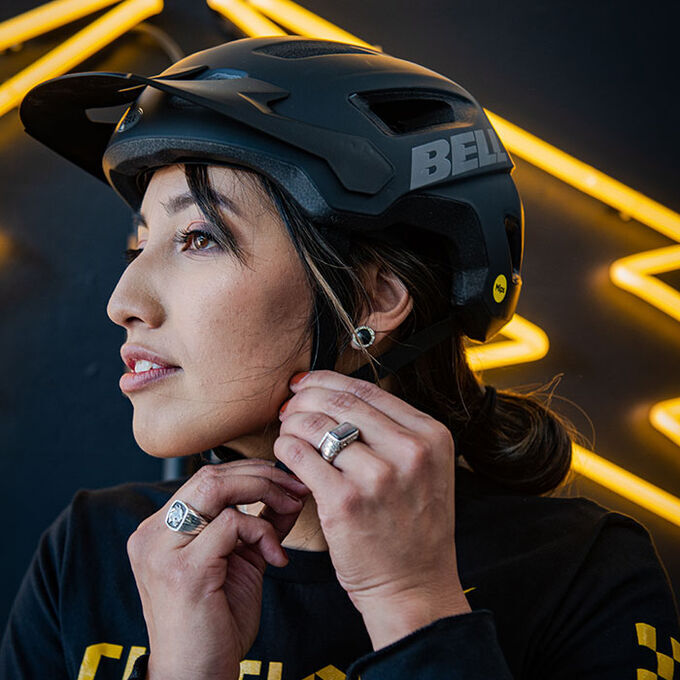
What truly defines a city bike helmet? It’s often a balance of robust protection and an aesthetic that complements everyday attire. You’ll typically find a more enclosed design compared to the highly-vented road helmets, providing better all-around coverage. These helmets frequently integrate features like lights and reflective elements, making you more visible in the dynamic urban environment, from dawn commutes to dusk rides. Their design also tends to be more subtle, often drawing inspiration from skate-style helmets, ensuring you look good whether you’re heading to the office or meeting friends.
The Foundation of Safety: Materials and Technology
At the heart of every effective city bike helmet lies a combination of advanced materials and innovative safety technology. These elements work in concert to absorb impacts and protect your head from the unpredictable forces of an accident.
Core Construction: Shells and Liners
The primary protective component in most modern helmets is Expanded Polystyrene (EPS) foam. This material is designed to crush upon impact, dissipating energy before it reaches your head. Encasing this crucial foam is an outer shell, typically made from polycarbonate. Polycarbonate shells offer a balance of strength and lightweight design, capable of withstanding the day-to-day knocks and bumps of urban use while adding a layer of impact resistance. For those who prefer a more rugged, skate-inspired look, helmets with ABS (Acrylonitrile Butadiene Styrene) shells are also common, offering enhanced toughness. In high-end models, you might even find carbon fiber composite materials, which deliver superior strength-to-weight ratios, balancing lightness with exceptional impact resistance.
Advanced Impact Protection: Beyond the Basics
While EPS foam handles direct impacts, many accidents involve angled forces that can cause rotational motion to the brain. This is where advanced impact protection systems come into play. The most widely recognized of these is MIPS (Multi-Directional Impact Protection System). MIPS technology incorporates a low-friction layer inside the helmet, allowing a relative movement of 10-15mm between the helmet and your head during certain angled impacts. This “slip plane” is intended to help reduce the rotational forces transferred to the brain, significantly enhancing protection against specific types of head injuries. Other innovative systems like WaveCel, Koroyd, and SPIN offer similar rotational energy reduction, each with its unique approach to mitigating these complex forces.
Safety Standards: Your Non-Negotiable Baseline
Before considering any other feature, ensure your city bike helmet meets recognized safety standards. These certifications are your assurance that the helmet has undergone rigorous testing and provides adequate protection. Common standards include:
- CPSC (Consumer Product Safety Commission): The mandatory standard for all bicycle helmets sold in the USA.
- EN 1078: The standard for cycling helmets in Europe.
- ASTM F1952: A standard often seen in downhill mountain biking helmets, providing higher levels of protection suitable for high-speed e-riding or more aggressive urban cycling.
For the growing number of e-bike enthusiasts, looking for helmets with NTA 8776 certification is increasingly important. This specific standard is designed for faster e-bikes, offering enhanced protection for the higher speeds these bikes can achieve. Prioritizing these certifications means you’re investing in proven safety.
Finding Your Perfect Fit: Comfort is Key
A helmet can boast all the advanced safety features in the world, but if it doesn’t fit correctly, its protective capabilities are severely compromised. A poorly fitting city bike helmet isn’t just uncomfortable; it can shift during a fall, leaving vital areas of your head exposed.
The Golden Rule of Helmet Fit
Achieving the perfect fit is simpler than you might think, but it requires attention to detail. Follow this checklist to ensure your city bike helmet is snug, stable, and protective:
- Level on the Head: The helmet should sit level on your head, covering your forehead without tilting backward or forward. The front edge should be about one inch (two fingers) above your eyebrows.
- Even Contact: The internal pads should make even contact with your head all around, without any uncomfortable pressure points.
- No Shifting: When you shake your head side to side and front to back, the helmet should remain firm and not wobble. If it shifts, it’s too loose.
How to Measure and Adjust
To find the right size, measure your head circumference. Use a soft measuring tape (or a string and ruler) and wrap it around the widest part of your head, typically about an inch above your eyebrows. Compare this measurement to the manufacturer’s size chart.
Once you have the correct size, fine-tuning the fit is crucial. Most modern city bike helmets feature an adjustable retention system, often a dial located at the rear, which allows you to snug the helmet evenly around your head. The chin straps should form a “V” shape just below each ear lobe and be adjusted to be snug but not tight, allowing only one or two fingers to fit comfortably under the strap at your chin. Many helmets also come with removable and washable padding, which not only enhances comfort but also allows for easy cleaning after a sweaty ride.
Seeing and Being Seen: Visibility Features for Urban Jungle
In the complex and often fast-paced urban environment, visibility is paramount. Being seen by other road users, whether it’s a car, another cyclist, or a pedestrian, is one of the most effective ways to prevent accidents. Your city bike helmet plays a significant role in making you stand out.
Integrated Lighting and Reflectivity
Many city bike helmets come equipped with integrated LED lights, particularly at the rear, which can be a game-changer for low-light conditions. These lights are often USB-rechargeable and offer various modes, from steady beams to flashing patterns, significantly increasing your road presence. Some advanced models even include front lights or turn signal systems controlled by handlebar remotes. Beyond active lighting, reflective straps and elements integrated into the helmet’s design catch the light from vehicle headlights, making you visible even when the lights aren’t active.
Color Choices that Save Lives
While aesthetics are important, the color of your city bike helmet can actually impact your safety. Bright, high-contrast colors such as yellow, orange, fluorescent green, or even white, significantly improve your visibility to drivers and pedestrians during daylight hours. Research consistently suggests that these colors stand out best against the urban backdrop. While dark colors may look sleek, they can make you less visible, especially at night, unless they are heavily supplemented with reflective elements. Choose a color that makes you feel confident and, more importantly, keeps you seen.
Style Meets Substance: Aesthetic and Practical Design
For many city cyclists, their helmet is an extension of their personal style. The good news is that with a city bike helmet, you no longer have to sacrifice aesthetics for safety. Urban helmet design has evolved to offer both.
Urban Aesthetic: Looking Good While Staying Safe
Unlike the often aggressive or highly aerodynamic designs of road helmets, city bike helmets lean towards a more understated, casual, and sometimes “skate-style” aesthetic. They often have smoother, rounder profiles and a more enclosed look that blends seamlessly with street clothes rather than dedicated cycling gear. Many feature a small, often removable, integrated visor that not only adds to the style but also offers practical benefits like shielding your eyes from sun or rain. This focus on wearable design means you’ll be more likely to put your helmet on for every ride, which is the ultimate goal for safety.
Beyond Protection: Functional Enhancements
Modern city bike helmets are packed with features designed to make urban cycling more convenient and comfortable:
- Ventilation: While often more enclosed than road helmets, good city helmets still offer strategic ventilation. Look for designs with 10 to 20 vents and internal channeling to ensure adequate airflow, preventing overheating during stop-and-go city riding.
- Weight: A heavy helmet can cause neck strain, especially on longer commutes. Aim for a city bike helmet that weighs under 350 grams for standard models or under 500 grams for skate-style or e-bike certified options that offer more coverage. Polycarbonate shells and refined designs contribute to a lighter feel.
- Foldable Designs: For commuters who combine cycling with public transport or have limited storage space, some innovative city bike helmets offer foldable designs, making them incredibly easy to carry and store.
- Locking Compatibility: Ingenious designs on certain urban helmets allow you to pass a D-lock through the vents, securing your helmet to your bike when parked – a small but significant convenience.
- Smart Features: Advanced helmets might include Bluetooth connectivity for music or calls, navigation prompts, and even crash sensors that can alert emergency contacts in case of an accident, further enhancing convenience and peace of mind.
Longevity and Care: Keeping Your Helmet in Top Shape
Just like your bike, your city bike helmet needs a little love to ensure it performs optimally and lasts as long as possible. Proper maintenance is crucial for both safety and hygiene.
Maintenance Tips
- Clean Regularly: Use mild soap and warm water to clean the outer shell. Avoid harsh chemical cleaners, as they can degrade the EPS foam and shell materials over time, compromising the helmet’s integrity.
- Wash Pads: The removable internal padding can usually be hand-washed with mild soap and warm water. Air dry them completely before reattaching to prevent mildew and odors.
- Store Properly: Always store your helmet indoors, away from direct sunlight and extreme temperatures. UV exposure and heat can weaken the helmet’s materials.
- Handle with Care: Avoid dropping your helmet on hard surfaces. Even if there’s no visible damage, an impact can compress the EPS foam, reducing its ability to protect you in a subsequent crash.
When to Replace Your Helmet
Even without a crash, helmets have a lifespan. The materials can degrade over time due to normal wear and tear, UV exposure, and environmental factors. A general guideline is to replace your city bike helmet every 5 years. However, this rule changes dramatically if you’ve been in an accident. Always replace your helmet immediately after any crash, even a minor one, regardless of visible damage. The EPS foam is designed to absorb a single impact; once it has done its job, it cannot recover and will not provide the same level of protection again. Your safety is worth the investment.
Expert Insights: Elevating Your Urban Ride
“Choosing the right city bike helmet is about harmonizing protection with your daily life,” advises Dr. Anya Sharma, a renowned urban mobility expert and safety advocate. “It’s not just about the technical specs, but how well the helmet integrates into your routine – its comfort, its visibility features, and even its style. A helmet you love to wear is a helmet that protects you every time you ride.”
Frequently Asked Questions
What is the most important feature of a city bike helmet?
The most important feature is meeting certified safety standards (like CPSC or EN 1078) and ensuring a proper, snug fit. Without these, no other feature matters. Advanced rotational protection systems like MIPS are also highly recommended for enhanced safety.
How often should I replace my city bike helmet?
You should replace your city bike helmet every five years, or immediately after any crash, even if there’s no visible damage. The protective materials degrade over time and after impact.
Do city bike helmets need MIPS?
While not mandatory, MIPS (Multi-Directional Impact Protection System) is highly recommended for city bike helmets. It adds a crucial layer of protection by reducing rotational forces during angled impacts, which are common in urban cycling accidents.
Are city bike helmets good for e-bikes?
Many city bike helmets are suitable for e-bikes. For higher-speed e-bikes, look for helmets that are specifically certified to stricter standards like NTA 8776, as these offer enhanced protection for faster riding.
How do I clean my city bike helmet?
Clean the outer shell with mild soap and warm water, avoiding harsh chemicals. Remove and hand-wash the internal pads with mild soap, then air dry completely before reattaching.
Conclusion
Your city bike helmet is more than just an accessory; it’s an investment in your safety, comfort, and confidence on urban streets. By understanding the core aspects of safety, prioritizing proper fit, embracing crucial visibility features, and appreciating the blend of style and practicality, you can choose a city bike helmet that truly works for you. Make informed choices, maintain your helmet well, and commit to wearing it on every ride. Here’s to countless safe and enjoyable urban adventures on your bicycle!