Ready to hit the road or trail with confidence? Learning how to buy a bike helmet that truly protects you is the first crucial step. It’s more than just a piece of gear; it’s your most vital piece of safety equipment, a silent guardian that can make all the difference when the unexpected happens. With so many options out there, from sleek road helmets to rugged mountain bike lids, navigating the choices can feel overwhelming. But don’t sweat it! This guide is designed to cut through the noise, helping you understand exactly what to look for, so you can confidently buy a bike helmet that’s perfectly suited for your cycling adventures.
Why a Bike Helmet is Non-Negotiable
Let’s be real: wearing a bike helmet isn’t just a suggestion; it’s a commitment to your own well-being. Accidents can happen in an instant, even on the shortest, most routine rides. Studies have consistently shown that wearing a properly fitted, high-quality helmet dramatically reduces the risk of head injuries by as much as 48%, serious head injuries by 60%, and fatal head injuries by up to 71%. This isn’t just about avoiding a scrape; it’s about safeguarding your most important asset – your brain. When you buy a bike helmet, you’re investing in a piece of engineering designed to manage and dissipate impact energy, minimizing the forces transmitted to your skull and brain during a fall or collision.
“Thinking of a helmet as optional is like driving without a seatbelt. It’s a gamble you just don’t want to take,” advises Dr. Alex Chen, a sports injury specialist who frequently works with cyclists. “The statistics are clear: a helmet is your first and best line of defense against life-altering injuries.”
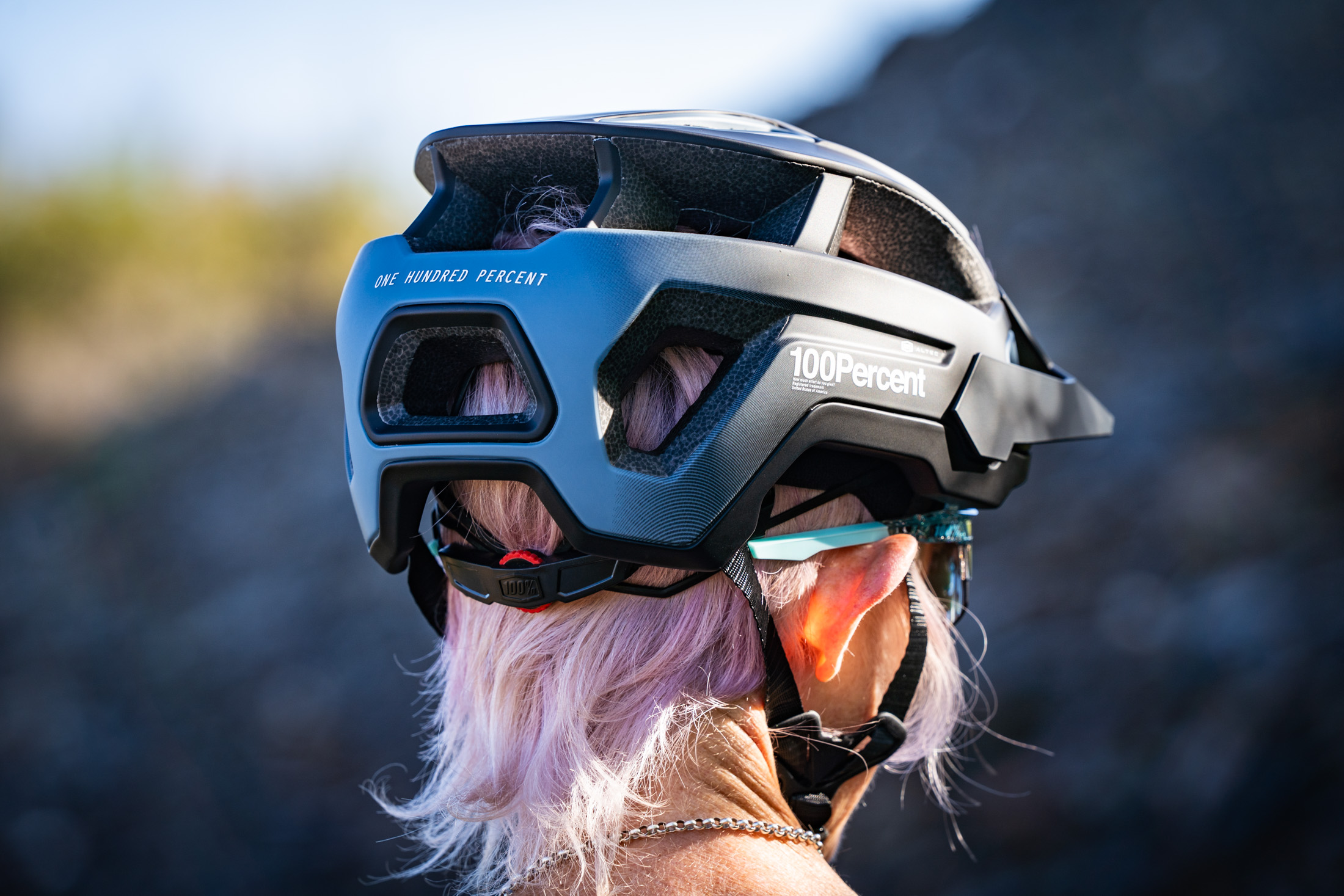
Beyond the sheer numbers, understanding how a helmet works offers peace of mind. The core function of a helmet is impact absorption. Inside that sturdy outer shell, layers of expanded polystyrene (EPS) foam are engineered to compress or break apart upon impact. This controlled deformation extends the time over which the impact energy is absorbed, effectively reducing the sudden, jarring acceleration of your head and preventing your skull and brain from bearing the full brunt of the force.
Decoding Helmet Anatomy: Materials and Technology
When you buy a bike helmet, you’re not just getting a piece of foam and plastic; you’re getting a meticulously designed piece of safety equipment. The construction typically involves an outer plastic shell and an inner EPS foam liner. The outer shell isn’t just for looks; it helps the helmet skid smoothly on rough surfaces, preventing your head from jerking violently, and holds the foam together after an initial impact. More advanced helmets use techniques like in-molding, where the foam is molded directly into the shell for enhanced structural integrity.
Revolutionizing Safety: Rotational Impact Protection (MIPS, KinetiCore, etc.)
One of the most significant advancements in helmet technology in recent years has been the introduction of rotational impact protection systems. While traditional helmets excel at mitigating direct linear impacts, real-world crashes often involve angled impacts that generate rotational forces. These rotational forces can cause the brain to twist inside the skull, leading to concussions, diffuse axonal injuries, and other severe traumatic brain injuries.
Technologies like MIPS (Multi-directional Impact Protection System), KinetiCore, and WG11 are designed to address this. These systems typically incorporate a low-friction layer inside the helmet that allows a small, controlled amount of movement between the helmet and your head during an angled impact. This subtle slide helps redirect and absorb some of the harmful rotational energy, reducing the stress on your brain. When you buy a bike helmet, especially for more aggressive riding, looking for these advanced systems is highly recommended.
Smart Features and Enhanced Visibility
Modern bike helmets are also incorporating features beyond basic impact protection. Some helmets now come with integrated rear lights, often with brake sensors that illuminate automatically when you slow down, much like a car’s brake lights. This significantly enhances your visibility to other road users, especially in low-light conditions or heavy traffic, where being seen is just as important as being protected. Additionally, some designs offer extended coverage for the back of the head, a critical impact zone often overlooked by standard safety tests. These innovations provide an extra layer of confidence when you buy a bike helmet.
Finding Your Perfect Fit: A Step-by-Step Guide
The safest helmet is one that fits correctly. An ill-fitting helmet can shift during an impact, leaving vulnerable areas exposed. Here’s how to ensure a perfect fit when you buy a bike helmet:
Measure Up: Head Circumference
Start by measuring your head. Use a soft tape measure or a piece of string and wrap it horizontally around your head, just about two to three centimeters above your eyebrows and ears. Keep the tape level from front to back. This measurement in centimeters will correspond to helmet sizes, which often vary by brand, so always check the manufacturer’s sizing chart.
The “Three-Finger Rule” and Proper Positioning
Once you have your size, place the helmet squarely on your head. It should sit level, not tilted back like a hat. The front rim of the helmet should be about one to two finger-widths above your eyebrows. This “three-finger rule” ensures your forehead is adequately protected without obstructing your vision.
Strap It Right: The V-Shape and Chin Strap
Next, adjust the side straps. They should form a “V” shape just below and slightly in front of your ears. Many helmets have adjustable sliders for this. The chin strap should be centered under your chin and fit snugly. You should be able to fit no more than one or two fingers between the strap and your chin. To test the chin strap’s tightness, open your mouth wide as if you’re yawning; the helmet should pull down slightly on your head. If not, tighten the strap further.
The Shake Test: Ensuring a Secure Fit
Finally, perform the “shake test.” Fasten the straps, then shake your head vigorously from side to side and up and down. The helmet should feel snug and move with your head, not independently. If it wobbles or shifts more than an inch in any direction, it’s not fitted properly, and you’ll need to readjust or consider a different size. Remember, a helmet only protects you if it stays securely in place during a crash.
Choosing the Right Helmet for Your Ride Style
The cycling world is diverse, and so are bike helmets. When you buy a bike helmet, consider your primary riding style to match the helmet’s design and features to your needs.
Road Helmets: Speed, Airflow, and Lightweight Design
For road cyclists, aerodynamics, ventilation, and lightweight design are key. Road helmets typically feature a sleek, often minimalist profile with numerous large vents to maximize airflow, keeping you cool during intense efforts and long rides. They prioritize minimal drag and weight for performance.
Mountain Bike Helmets: Visors, Coverage, and Trail Confidence
Mountain biking demands more robust protection. Mountain bike helmets often include a visor to shield your eyes from sun, rain, and trail debris, along with extended coverage at the back and sides of the head. While still well-ventilated, they may have slightly fewer or smaller vents than road helmets to maintain structural integrity against impacts specific to off-road riding. For aggressive trail or enduro riding, some offer even more comprehensive protection.
Full-Face and Hardshell Helmets: For the Extreme Riders
If you’re into downhill mountain biking, BMX racing, or other extreme disciplines, a full-face helmet is essential. These helmets provide complete protection for your entire head, including the chin and face. For BMX and skatepark riders, hardshell helmets offer excellent durability against multiple minor impacts, though often with less ventilation.
Gravel and Commuter Helmets: Versatility for Every Journey
Gravel cycling often blends elements of road and mountain biking, and gravel helmets reflect this, offering a balance of ventilation, moderate coverage, and comfort. Commuter helmets prioritize visibility (often with integrated lights), durability, and sometimes a more casual aesthetic. These are excellent choices if you buy a bike helmet for varied use or daily rides.
Kids’ Helmets: Safety First, Style Second (But Still Important!)
When it comes to kids, the same fit guidelines apply as for adults. The most important thing is that the helmet fits correctly and that your child actually wants to wear it. Involving them in choosing a color or design they like can significantly increase compliance. Ensure any kids’ helmet you buy meets safety certifications.
Beyond the Price Tag: What to Look For (and What to Skip)
While budget can be a factor when you buy a bike helmet, a higher price doesn’t automatically mean exponentially better basic protection. More expensive helmets often offer lighter weight, superior ventilation, enhanced adjustability, and more refined aesthetics. However, many mid-range options provide excellent safety performance.
Ventilation and Comfort: Staying Cool on the Ride
Good ventilation is critical for comfort, especially in warm climates or during strenuous rides. Look for helmets with ample, well-placed vents that allow air to flow efficiently over your scalp. Comfort features like quality padding and easy-to-use retention systems also make a big difference in how often you’ll wear your helmet.
Weight Matters (Sometimes): Balancing Performance and Protection
Modern bike helmets are generally lightweight, so excessive weight isn’t usually a concern. However, for long rides or competitive cycling, a lighter helmet can reduce neck fatigue. Just ensure that weight savings don’t come at the expense of crucial protection.
Safety Certifications: Your Non-Negotiable Seal of Approval
Always check for safety certification labels inside the helmet. In the U.S., look for the CPSC (Consumer Product Safety Commission) sticker. In Europe, the EN 1078 standard is common. These certifications indicate that the helmet has passed rigorous impact tests. Never buy a bike helmet without a recognized safety certification.
Don’t Fall for Gimmicks: Focus on Core Safety
Be wary of helmets with excessive or unusually shaped vents that might compromise the structural integrity of the EPS foam. While some “aero” helmets feature extended tails for streamlining, ensure they don’t create snag points that could cause neck injury in a crash. Focus on proven safety features, a good fit, and comfort over marketing fluff.
Taking Care of Your Lifesaver: Maintenance and Replacement
Your bike helmet is a critical piece of safety gear, and proper care ensures its longevity and effectiveness.
Cleaning and Storage Tips
Regularly clean your helmet’s pads and straps with mild soap and water to prevent odor and irritation. Avoid harsh chemicals, which can degrade the helmet materials. Store your helmet in a cool, dry place away from direct sunlight and extreme heat, as these can also weaken the EPS foam.
When to Replace Your Helmet: The “One-Crash” Rule
This is perhaps the most important rule: replace your helmet after any significant impact or crash, even if there’s no visible damage. The EPS foam is designed to crush and absorb energy on impact, and this crushing process is often irreversible and not visible from the outside. Once compromised, the foam can’t provide the same level of protection in a subsequent crash. Think of it as a crumple zone in a car – it does its job once. Additionally, most manufacturers recommend replacing helmets every three to five years, as materials can degrade over time due to UV exposure, sweat, and general wear and tear.
Expert Insights: What the Pros Say
“When I advise cyclists on how to buy a bike helmet, my top priority is always fit, followed by safety features like MIPS,” explains Isabella Rossi, a veteran cycling coach and safety advocate. “A helmet that doesn’t fit perfectly won’t protect you, no matter how advanced its technology. And remember, the best helmet is the one you’ll wear consistently.”
Frequently Asked Questions (FAQ)
How often should I replace my bike helmet?
You should replace your bike helmet after any crash or significant impact, even if there’s no visible damage. As a general guideline, most manufacturers recommend replacing helmets every three to five years due to material degradation from UV exposure, sweat, and normal wear.
Are more expensive helmets safer?
Not necessarily. All certified helmets meet minimum safety standards. More expensive helmets typically offer benefits like lighter weight, better ventilation, superior comfort features, and more refined aesthetics. They might also integrate advanced rotational impact protection systems, which enhance safety beyond basic linear impact absorption.
What is MIPS technology?
MIPS (Multi-directional Impact Protection System) is a low-friction layer integrated into a helmet designed to reduce rotational forces that can result from angled impacts. It allows for a slight relative movement between the helmet and the head, redirecting harmful energy and potentially reducing the risk of certain brain injuries.
Can I use a multi-sport helmet for cycling?
Some helmets are certified for multiple sports. If a multi-sport helmet has a CPSC certification for cycling, then it can be used for biking. However, it’s always best to use a helmet specifically designed and certified for the activity you’re doing, as each type of helmet is optimized for specific impact scenarios.
How do I know if my helmet fits correctly?
A correctly fitting helmet should be snug but comfortable, without any pressure points. It should sit level on your head, about one to two finger-widths above your eyebrows. The straps should form a “V” shape below your ears, and the chin strap should be tight enough to allow only one or two fingers underneath. Most importantly, it should not wobble or shift more than an inch when you shake your head.
Conclusion
Choosing to buy a bike helmet is one of the most impactful decisions you can make for your cycling safety. It’s about empowering yourself with confidence and protection, whether you’re commuting to work, tackling challenging trails, or enjoying a leisurely ride. By understanding the critical factors of fit, safety technology, helmet types, and maintenance, you’re well-equipped to make an informed choice. Remember, your helmet is your unwavering partner on every journey. Embrace safety, explore new horizons, and share your cycling experiences with the uubux.com community!