Cycling isn’t just a sport or a commute; it’s a lifestyle, and every rider understands the paramount importance of safety. Your bike helmet is your most crucial piece of gear, and if you’re like many cyclists, you appreciate when safety meets style. That’s where a Blue Bike Helmet comes in, blending essential protection with a popular aesthetic that catches the eye and expresses your personality on the road or trail. But selecting the right one involves more than just picking a shade of blue; it’s about understanding the technology, fit, and care that make a helmet truly effective.
The Indispensable Companion: Tracing the History and Purpose of Bike Helmets
For generations, cyclists have embraced the freedom of two wheels. However, with that freedom comes responsibility, particularly concerning head safety. The very concept of a bike helmet evolved from simple leather caps in the early days to the sophisticated, life-saving devices we rely on today. At its core, a bike helmet serves as your brain’s personal bodyguard, designed to absorb impact forces and reduce the risk of serious head and brain injuries during a fall or collision. While no helmet can guarantee complete protection from every type of injury, especially concussions, a properly certified and well-fitting helmet significantly mitigates severe trauma.
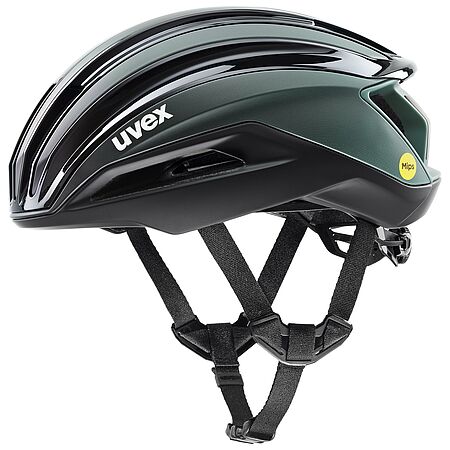
Beyond Aesthetics: The Science and Engineering Behind Your Blue Bike Helmet
When you choose a blue bike helmet, you’re investing in a complex piece of engineering. The vibrant exterior is just one aspect; what lies beneath is a marvel of materials and technology working in harmony to keep you safe.
Core Components: Shells, Foam, and Rotational Protection
At the heart of every effective bike helmet are its fundamental components. The outer layer is typically a hard shell, often made from polycarbonate (PC), designed to resist punctures and spread impact forces over a wider area. Beneath this shell lies the crucial impact-absorbing material, usually expanded polystyrene (EPS) foam. This foam is engineered to crush upon impact, dissipating energy before it reaches your skull. Some advanced helmets even utilize multi-density EPS foam, which means different sections of the foam have varying densities to better handle a range of impact speeds.
Beyond direct impact, rotational forces are a significant concern in cycling accidents. This is where technologies like MIPS (Multi-directional Impact Protection System) come into play. MIPS acts as a low-friction layer, typically found between the helmet’s padding and the EPS foam, allowing a small, multi-directional movement (10-15mm) on certain angled impacts. This ingenious design helps reduce the rotational violence transmitted to the brain, offering an extra layer of defense that many riders now consider essential.
Smart Features for Modern Riders
Modern bike helmets, including the stylish blue bike helmet options, come packed with features designed to enhance both safety and comfort:
- Ventilation: Staying cool is key, especially on long rides. Helmets are designed with strategically placed vents that allow air to flow over your head, preventing overheating and improving comfort. Look for designs with generous venting for optimal airflow.
- Retention Systems: A helmet is only safe if it stays put. Advanced retention systems, often featuring a dial or adjustable straps at the back, allow you to fine-tune the fit around your head, ensuring it’s snug and secure without uncomfortable pressure points. Systems like Specialized’s FS3 or the BOA Fit System exemplify this customization.
- Visors: Especially common on mountain bike helmets, visors offer practical benefits by shielding your eyes from sun glare, rain, and low-hanging branches. They contribute to both comfort and clear vision on varied terrain.
- Integrated Lights and Sensors: Some cutting-edge helmets incorporate integrated rear lights, and even brake sensors that automatically illuminate when you slow down. This significantly boosts your visibility to other road users, a critical safety feature, especially during commutes or rides in low-light conditions.
Finding Your Perfect Blue Shield: A Comprehensive Buying Guide
Choosing a blue bike helmet isn’t just about finding one that looks good; it’s about finding one that fits perfectly and suits your specific riding needs. A helmet that doesn’t fit correctly can compromise its protective capabilities, rendering it dangerously ineffective.
Prioritizing Fit: The Golden Rule of Helmet Safety
The single most critical factor in helmet safety is fit. An ill-fitting helmet can shift during an impact, exposing vulnerable areas of your head. Here’s how to achieve that perfect, secure fit:
- Measure Your Head: Start by using a flexible tape measure to find your head’s circumference. Wrap it horizontally around the widest part of your head, about one inch (2.5 cm) above your eyebrows. Use this measurement to compare against manufacturers’ sizing charts, as helmet sizes can vary significantly between brands.
- Try It On: The helmet should feel snug all around, with no significant gaps between the foam padding and your head. It should be comfortable but firm, avoiding any annoying tightness or pressure points that could cause headaches.
- Position It Correctly: Your helmet should sit level on your head, not tilted backward or forward. The front rim should be one or two finger-widths above your eyebrows to adequately protect your forehead. The back of the helmet should not touch the top of your neck.
- Adjust the Straps: The side straps should form a “V” shape just below, and slightly in front of, your ears. The chin strap should be centered under your chin and fit snugly enough so that no more than one or two fingers can fit between the strap and your chin. A great test is the “yawn test”: open your mouth wide – the helmet should pull down slightly on your head. If it doesn’t, tighten the chin strap further.
- Check for Movement: Once all straps are adjusted, shake your head vigorously from side to side and up and down. The helmet should not move independently of your head.
- Hairstyle Considerations: If you frequently change your hairstyle, especially if you wear long hair in a ponytail, try the helmet on with your typical riding hairstyle. Some helmets offer specific designs or retention systems that accommodate ponytails.
Matching Your Ride: Helmet Types and Their Features
Different styles of cycling demand different helmet designs. While a blue bike helmet can be found in almost any category, understanding the nuances will guide your choice:
- Road Helmets: These are typically lightweight, highly ventilated, and often more aerodynamic, designed for speed and comfort during long rides on paved surfaces.
- Mountain Bike Helmets: Offering more coverage, especially at the back and sides of the head, mountain bike helmets usually include a visor to protect against sun and trail debris. Some aggressive models feature chin guards for downhill riding.
- Commuter Helmets: Balancing safety with urban style, commuter helmets often prioritize comfort, visibility (with features like reflective elements or integrated lights), and a more casual aesthetic.
- Gravel/Adventure Helmets: These often blend features from road and mountain biking helmets, offering good ventilation, extended coverage, and sometimes visors, suitable for mixed terrain.
- Kids’ Helmets: Designed specifically for smaller heads, these emphasize ease of use, playful designs (including various shades of blue), and robust safety certifications.
The Allure of Blue: Style and Personal Expression
Choosing a blue bike helmet is a popular decision for many cyclists. Blue is a versatile color, ranging from vibrant sky blues to deep navy and sophisticated matte finishes. It can offer a sense of calm, confidence, and even enhanced visibility on the road. Beyond its aesthetic appeal, choosing a color you genuinely like can encourage you to wear your helmet consistently, making it “the safest helmet” by simply being worn. Whether you prefer a bold, bright blue to stand out, or a subtle, dark blue to complement your bike’s scheme, there’s a blue tone for every rider’s taste.
Maximizing Lifespan and Protection: Care, Maintenance, and When to Replace Your Helmet
Your blue bike helmet is a durable piece of equipment, but proper care and knowing when to replace it are crucial for maintaining its protective capabilities.
- Cleaning: Regularly clean your helmet, both inside and out, using warm water and a mild detergent. Avoid harsh chemicals, abrasives, or excessive heat, which can degrade the helmet’s materials. Do not soak any part of the helmet.
- Storage: Store your helmet in a cool, dry place, away from direct sunlight and extreme temperatures. Never leave it in a hot car, as prolonged heat exposure can damage the EPS foam and compromise its integrity.
- Decoration: Before attempting to paint or apply stickers to your helmet, consult the manufacturer’s guidelines. Certain chemicals in paints or adhesives can react with the helmet’s materials, weakening its structure and reducing its safety effectiveness.
- Replacement: Helmets are designed to protect against one significant impact. If your helmet has been involved in a crash, even if there’s no visible damage, its internal foam may have compressed or cracked, rendering it ineffective for future impacts. Replace it immediately. Multi-use helmets might withstand minor bumps, but a serious crash always necessitates replacement. Additionally, manufacturers recommend replacing helmets every five to seven years, as materials can degrade over time due to UV exposure, sweat, and general wear and tear, even without a crash. Always check the helmet’s date of manufacture and follow the specific recommendations of the brand.
Expert Insight: The Unseen Layers of Protection
“A helmet’s true value isn’t just in its visible shell, but in the unseen layers of engineering and the commitment to a perfect fit,” says Dr. Anya Sharma, a leading expert in cycling safety. “Many riders focus on visible features or color, but understanding the underlying technologies like MIPS and ensuring the helmet sits precisely on your head are the real game-changers for protection. A stylish blue bike helmet is excellent, but an immaculately fitted one is life-saving.”
Ride with Confidence
Choosing a blue bike helmet allows you to express your style while prioritizing your safety on every ride. By understanding the intricate technologies, ensuring a flawless fit, and committing to proper care and timely replacement, you transform a simple piece of gear into a trusted guardian. So, go ahead, pick your favorite shade of blue, hit the road, and ride with the confidence that comes from knowing you’re well-protected. The world of cycling awaits, and with the right helmet, you’re ready to explore it safely and stylishly.