Every cyclist knows the unique thrill of the open road – the wind in your face, the rhythm of your pedaling, the pure freedom. But with that freedom comes a responsibility: protecting your most valuable asset, your head. The humble bicycle helmet has evolved from a simple protective shell into a sophisticated piece of gear, blending cutting-edge safety with aerodynamic efficiency and supreme comfort. Choosing the Best Road Bike Helmet today means navigating a world of innovative materials, advanced technologies, and specialized designs, all aimed at enhancing your ride without compromising your safety.
The Evolution of Head Protection: From Hairnets to High-Tech Helmets
Believe it or not, early cycling helmets were little more than leather “hairnets,” offering minimal impact protection and primarily guarding against scrapes. Fast forward to today, and we’re looking at meticulously engineered helmets that must pass stringent safety tests before they even hit the shelves. This journey from basic coverings to advanced protective gear highlights a relentless pursuit of rider safety and performance. Modern helmets are a testament to how far technology has come, integrating features that were unimaginable just a few decades ago, all to make your ride safer and more enjoyable.
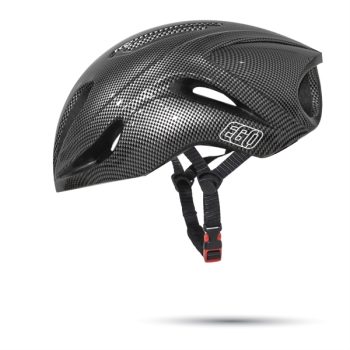
Beyond the Shell: Materials and Cutting-Edge Technologies
The heart of any great road bike helmet lies in its construction and the innovative technologies packed within. It’s not just about a hard exterior; it’s a symphony of materials working together to keep you safe.
The Foundation: EPS Foam and Outer Shells
At the core, most helmets rely on Expanded Polystyrene (EPS) foam, a material designed to crush and compress upon impact, effectively absorbing and dissipating energy away from your head. Think of it as a meticulously engineered crumple zone for your brain. This foam is encased by a durable outer shell, typically made of polycarbonate. This shell serves a dual purpose: it offers puncture resistance against sharp objects and, crucially, allows the helmet to slide on impact, helping to reduce rotational forces that can be incredibly dangerous.
Revolutionary Rotational Impact Protection: MIPS and Beyond
While EPS foam excels at linear impacts, many real-world crashes involve angled blows, creating rotational forces that can twist the brain within the skull. This is where rotational impact protection systems come into play, and they are arguably the most significant safety advancement in recent years.
What is MIPS? MIPS stands for Multi-directional Impact Protection System. It’s a low-friction layer, usually integrated between the helmet’s padding and the EPS liner, that allows for 10-15mm of relative motion between your head and the helmet during an angled impact. This sliding motion is designed to reduce the rotational forces transferred to the brain, which can significantly decrease the risk of concussions and other traumatic brain injuries. Studies, such as those by Virginia Tech, suggest MIPS helmets can reduce brain injury risk by up to 50%.
MIPS Variations: MIPS technology isn’t a one-size-fits-all solution; it comes in several forms. You’ll encounter:
- MIPS Spherical: A “ball-and-socket” design with two independent layers that can move relative to each other, often seen in high-end helmets like the Giro Aries Spherical.
- MIPS Air/Node: This version integrates the low-friction layer directly into the helmet’s padding, making it incredibly lightweight and less intrusive, maintaining excellent ventilation.
- MIPS Evolve Core: Another iteration focused on streamlined integration and effective rotational protection.
Alternatives: MIPS isn’t the only player in this critical safety field. Brands like Lazer have developed KinetiCore technology, which creates controlled crumple zones within the EPS foam itself, designed to absorb both direct and rotational impact energy. Other innovations include WaveCel (a cellular structure found in some Bontrager helmets) and Koroyd (a honeycomb material seen in helmets like the Smith Trace MIPS), both designed to dissipate energy effectively while allowing airflow. Kask utilizes its own internal testing protocol, WG11, to evaluate rotational impact performance, providing an alternative to MIPS-licensed systems.
Aero, Ventilation, and Weight: The Performance Triangle
Beyond safety, the best road bike helmets meticulously balance aerodynamics, ventilation, and weight to optimize your riding experience.
- Aerodynamics: For those chasing speed, an aero helmet is a game-changer. These helmets feature smoother surfaces and sculpted designs, often honed in wind tunnels, to reduce drag and help you slice through the air more efficiently. Many riders find that an aero helmet offers a more effective way to reduce drag than even expensive frame or wheel upgrades.
- Ventilation: Riding hard generates heat, and a well-ventilated helmet is essential for comfort and performance, especially on long climbs or hot days. Helmets achieve this with strategically placed vents and deep internal channels that actively draw cool air over your head and push warm air out. The challenge for manufacturers is to achieve superior ventilation without sacrificing aerodynamic efficiency, a balance that the latest designs are mastering.
- Weight: In cycling, every gram counts. Lighter helmets reduce neck strain, especially during extended rides, and contribute to a feeling of “disappearing” on your head. High-end materials like carbon fiber are often used to achieve impressive weight savings while maintaining structural integrity and safety. While a lighter helmet generally comes with a higher price tag, the comfort benefits for endurance riders are undeniable.
Your Perfect Match: A Detailed Guide to Choosing and Adjusting Your Road Bike Helmet
Finding the “best” road bike helmet isn’t just about picking the most expensive one; it’s about finding the one that perfectly suits your individual needs, riding style, and head shape.
Understanding Your Riding Style
Road helmets generally fall into two broad categories:
- Lightweight and Well-Ventilated Helmets: These are the most common choice for general road cycling, especially if you prioritize cooling. Helmets like the Giro Aries Spherical, POC Cytal, and Specialized S-Works Prevail 3 excel in airflow, making them ideal for long climbs, hot weather, or riders who sweat a lot. Many of these modern vented helmets also incorporate subtle aero shaping, offering a fantastic all-around performance.
- Aero Road Bike Helmets: If your focus is on speed, racing, or time trials, an aero helmet such as the Giro Eclipse Spherical, Specialized S-Works Evade 3, or Lazer Vento KinetiCore will minimize drag and shave precious seconds off your time. While traditionally these sacrificed ventilation, newer models have significantly improved airflow, making them more versatile for various conditions.
The Science of Fit: Sizing and Adjustments
A helmet is only as effective as its fit. A poor fit compromises protection and comfort, making you less likely to wear it consistently.
- Measure Your Head: Start by measuring the circumference of your head just above your eyebrows and ears, in centimeters. This provides a baseline for finding the correct shell size, as manufacturers use different sizing charts.
- Try Before You Buy (If Possible): This is the golden rule. Head shapes vary widely (some are more oval, some more round), and what feels comfortable for one person might create pressure points for another.
- Achieve a Snug, Comfortable Fit: The helmet should feel secure without being overly tight or causing pressure points. It should cover your temples and sit roughly two fingers’ width above your eyebrows. When you gently shake your head side-to-side, the helmet should stay firmly in place.
- Adjust the Retention System: Most modern helmets feature a dial-based retention system (e.g., Roc Loc, BOA dial, Kask’s Octafit+) at the back that allows you to fine-tune the tension around your head for a secure hold, cradling the occipital lobe. Ensure it’s easy to adjust, even with one hand, and doesn’t pinch.
- Secure the Chin Straps: The Y-split of the straps should sit comfortably below your earlobes, and the straps should lie flat against your face without flapping in the wind. Under your chin, you should be able to slide two fingers between the strap and your chin, ensuring comfortable breathing while keeping the helmet secure.
- Ponytail Compatibility: Many helmets now consider longer hair, with some featuring “ponytail ports” or adjustable retention systems that accommodate different hairstyles.
Essential Features to Look For
- Sunglass Storage: A surprisingly convenient feature, dedicated ports or grippers within the helmet allow you to securely stash your cycling glasses when not in use.
- Removable, Washable Padding: Sweat is inevitable. Removable, antimicrobial padding is a hygienic must-have, allowing you to keep your helmet fresh and comfortable ride after ride.
- Crash Sensors: Some advanced helmets, like certain Specialized models, offer compatibility with crash sensors (e.g., ANGi) that can detect an impact and automatically alert your emergency contacts with your location.
- Visibility: While not a “feature” in the traditional sense, brightly colored helmets (white, neon, silver) significantly increase your visibility to motorists, especially in low light conditions.
Keeping Your Lid Pristine: Care, Maintenance, and When to Replace
Your road bike helmet is a long-term investment in your safety. Proper care and knowing when to replace it are crucial.
Cleaning Your Helmet
After every ride, wipe down your helmet to remove sweat, dirt, and debris. Use a damp cloth and mild soap (avoid harsh chemicals). If your helmet has removable pads, wash them regularly by hand with mild soap and water, then air dry. This prevents odor and bacteria buildup, extending the life and comfort of your helmet.
When to Say Goodbye: Replacement Guidelines
Helmets are designed for single impacts. If you’ve been in a crash and your helmet has taken any kind of hit – even a minor scuff – it must be replaced immediately. The EPS foam is designed to crush on impact, and even if damage isn’t visible externally, its structural integrity can be compromised, rendering it less effective in a subsequent accident.
Even without a crash, most manufacturers recommend replacing your helmet every three to five years. Over time, exposure to UV rays, minor knocks and bumps (from storage or handling), and general wear and tear can degrade the materials, reducing the helmet’s protective capabilities. “As a cycling safety advocate, I always tell riders that the best road bike helmet is the one you will wear, and that fits you perfectly. Advanced safety features are crucial, but comfort is king for consistent use,” says Dr. Elara Vance, uubux.com Cycling Safety Expert.
Top Picks for 2025: A Glimpse at Excellence
The market for road bike helmets is constantly innovating, offering incredible options for every rider. Here are a few standouts that often top expert lists:
- POC Cytal MIPS: Frequently cited as one of the safest helmets tested by Virginia Tech, offering exceptional cooling and performance.
- Giro Aries Spherical: An excellent all-rounder with top-tier ventilation, supremely comfortable fit, and a 5-star Virginia Tech safety rating.
- Lazer Tonic KinetiCore: A fantastic budget-friendly option, lightweight, comfortable, and also achieving a 5-star Virginia Tech safety rating using its proprietary KinetiCore technology.
- Specialized S-Works Evade III MIPS: A superb aero helmet that impressively balances aerodynamic performance with excellent ventilation and a 5-star safety rating.
- Specialized S-Works Prevail 3: Renowned for its incredible ventilation, making it ideal for hot conditions and strenuous climbs, also with a 5-star Virginia Tech rating.
When considering any helmet, always cross-reference with independent safety ratings like those from Virginia Tech University’s Helmet Lab, which rigorously tests and rates helmets for both linear and rotational impact protection.
Frequently Asked Questions About Road Bike Helmets
How much should I spend on a road bike helmet?
The price of road bike helmets varies widely, from around $80 to over $350. While more expensive helmets often boast premium finishes, enhanced ventilation, and advanced features, studies suggest that price doesn’t directly correlate with the level of protection. Even budget-friendly options, like the Lazer Tonic KinetiCore, pass the same mandatory safety certifications as high-end models and can achieve excellent safety ratings. The most important factor is a proper fit and consistent wear, regardless of price.
Do I really need MIPS?
While a helmet without MIPS (or a similar system like KinetiCore) will still protect your head from direct impacts, MIPS technology is specifically designed to reduce rotational forces that can cause more severe brain injuries during angled impacts. Research generally supports the effectiveness of these systems in reducing the risk of certain brain injuries. Therefore, while not strictly “needed” to meet basic safety certifications, we highly recommend helmets with rotational impact protection for the added peace of mind and enhanced safety they offer.
Can I use a road bike helmet for gravel riding?
Absolutely! Many serious gravel riders opt for road bike helmets due to their lightweight design, excellent ventilation, and sleek profiles. The demands of gravel riding are often quite similar to road cycling in terms of speed and effort, making road helmets a suitable choice. For more aggressive off-road riding, however, some gravel or mountain bike helmets offer extended rear coverage and visors for added protection and sun shielding.
Will an aero helmet actually make me faster?
Yes, an aero helmet is designed to reduce aerodynamic drag, which can translate into marginal gains in speed for the same effort, or allow you to maintain speed with less effort. Wind tunnel testing confirms these benefits. While the gains might seem small over a short distance, they can add up significantly over longer rides or in races. However, some aero helmets might offer slightly less ventilation or be a bit heavier than their ultra-vented counterparts, so it’s a trade-off to consider based on your priorities and riding conditions.
How do I know if my helmet fits correctly?
A properly fitting helmet should feel snug all around your head, without any pressure points. It shouldn’t move side-to-side or front-to-back when you gently shake your head. The front edge of the helmet should sit about two fingers’ width above your eyebrows, covering your forehead effectively. The chin straps, once adjusted, should allow you to open your mouth wide comfortably, and the Y-junctions should sit just below your ears. If you can’t achieve this snug-but-comfortable fit, you likely need a different size or model.
Conclusion: Ride Smart, Ride Safe
Choosing the best road bike helmet is a personal journey, blending crucial safety considerations with comfort, performance, and aesthetic preferences. From understanding advanced rotational impact protection systems like MIPS and KinetiCore to prioritizing ventilation for hot climbs or aerodynamics for chasing PRs, making an informed decision is key. Remember, the ultimate goal is to find a helmet that you’ll wear consistently and comfortably on every single ride. Ride smart, ride safe, and explore the open road with confidence.