Hitting the trails on your mountain bike is an exhilarating experience, a perfect blend of adrenaline and connection with nature. But whether you’re shredding technical descents, navigating rocky singletrack, or enjoying a leisurely cross-country ride, one piece of gear stands paramount: your mountain bike helmet. It’s more than just a requirement; it’s your most crucial piece of protection, safeguarding what’s most important. Choosing the Best Mountain Bike Helmet isn’t just about picking a cool color; it’s about understanding the technology, fit, and features that can literally save your life and enhance your riding experience.
In the dynamic world of mountain biking, helmet technology has advanced significantly, moving far beyond basic foam shells. Today’s best mountain bike helmets offer a sophisticated blend of impact protection, superior ventilation, and ergonomic comfort, tailored specifically for the unique demands of off-road riding. This guide will help you navigate the options, ensuring you find a lid that offers unwavering safety and allows you to focus on the thrill of the ride.
Why a Specialized Mountain Bike Helmet Matters
Mountain biking presents distinct challenges compared to road cycling. The terrain is unpredictable, impacts can come from various angles, and debris is a constant factor. This is why a dedicated mountain bike helmet is designed differently from its road counterpart. Unlike road helmets, which prioritize aerodynamics and minimal weight, MTB helmets typically feature deeper coverage around the back of the head and temples, offering crucial protection against impacts from roots, rocks, and unexpected falls. They also come equipped with a prominent visor, an essential feature that shields your eyes from sun glare, rain, and low-hanging branches, improving visibility and reaction time on the trail.
Beyond the Basics: Understanding MTB Helmet Evolution
The evolution of the mountain bike helmet is a testament to the industry’s commitment to rider safety. Early helmets offered rudimentary protection, but as mountain biking disciplines grew in intensity and technicality, so too did the demand for more robust and intelligent head protection. Today’s helmets are the result of extensive research and development, incorporating advanced materials and innovative safety systems that were unimaginable just a few decades ago.
Decoding the Tech: Materials and Construction
A mountain bike helmet is a complex piece of engineering, with each component playing a vital role in protecting your head. Understanding these elements will help you appreciate the value of a high-quality helmet and why investing in the best mountain bike helmet is a decision you won’t regret.
The Shell Game: Polycarbonate, Carbon Fiber, and Beyond
The outer shell of a mountain bike helmet serves as the first line of defense, designed to spread impact forces over a wider area and resist penetration from sharp objects. Most modern helmets utilize a durable polycarbonate (PC) shell, which is lightweight and robust. For premium models, you’ll often find carbon fiber or fiberglass hard shells, which offer exceptional strength-to-weight ratios, enhancing protection without adding unnecessary bulk. These materials are chosen for their ability to withstand the harsh realities of off-road riding, protecting the crucial impact-absorbing layers beneath.
Impact Absorption: EPS Foam and Rotational Protection (MIPS)
Beneath the shell lies the heart of the helmet’s protection: the impact-absorbing liner. Expanded Polystyrene (EPS) foam is the most common material, designed to crush and dissipate energy during a direct impact. However, most real-world crashes involve angled impacts, which can introduce rotational forces to the brain, leading to more severe injuries like concussions.
This is where rotational impact protection systems come into play. Technologies like MIPS (Multi-directional Impact Protection System), POC’s SPIN, or Canyon’s RLS (Release Layer System) integrate a low-friction layer inside the helmet that allows a multi-directional movement of 10-15mm on certain angled impacts. This subtle movement is intended to redirect harmful rotational energy away from your head, significantly reducing the risk of brain trauma. Independent safety ratings, such as those from Virginia Tech, consistently highlight the superior protection offered by helmets equipped with these advanced systems.
Ventilation and Comfort: Keeping Your Cool on the Trail
While protection is paramount, comfort and ventilation are key to a helmet you’ll actually want to wear. Mountain biking is a physically demanding activity, and a well-ventilated helmet can make a huge difference, especially on long climbs or in warm weather. Look for helmets with strategically placed large vents and deep internal channels that actively guide airflow over your head, drawing in cool air and expelling heat. Many of the best mountain bike helmets strike an impressive balance, offering extensive coverage without sacrificing breathability, ensuring you stay cool and focused even when the trail heats up.
Finding Your Perfect Fit: A Comprehensive Buying Guide
A helmet can only protect you if it fits correctly. An ill-fitting helmet, regardless of its safety features, cannot do its job effectively. The best mountain bike helmet for you is one that feels secure, comfortable, and provides optimal coverage.
Sizing It Up: How to Measure for Your MTB Helmet
Before anything else, accurately measure your head circumference. Use a flexible tape measure and wrap it around the widest part of your head, typically about an inch above your eyebrows and just above your ears. This measurement will give you a baseline for selecting the right helmet size, as manufacturers provide sizing charts based on circumference. Remember, sizes can vary between brands, so always refer to the specific brand’s guide.
Adjustability Systems: Dialing in Comfort and Security
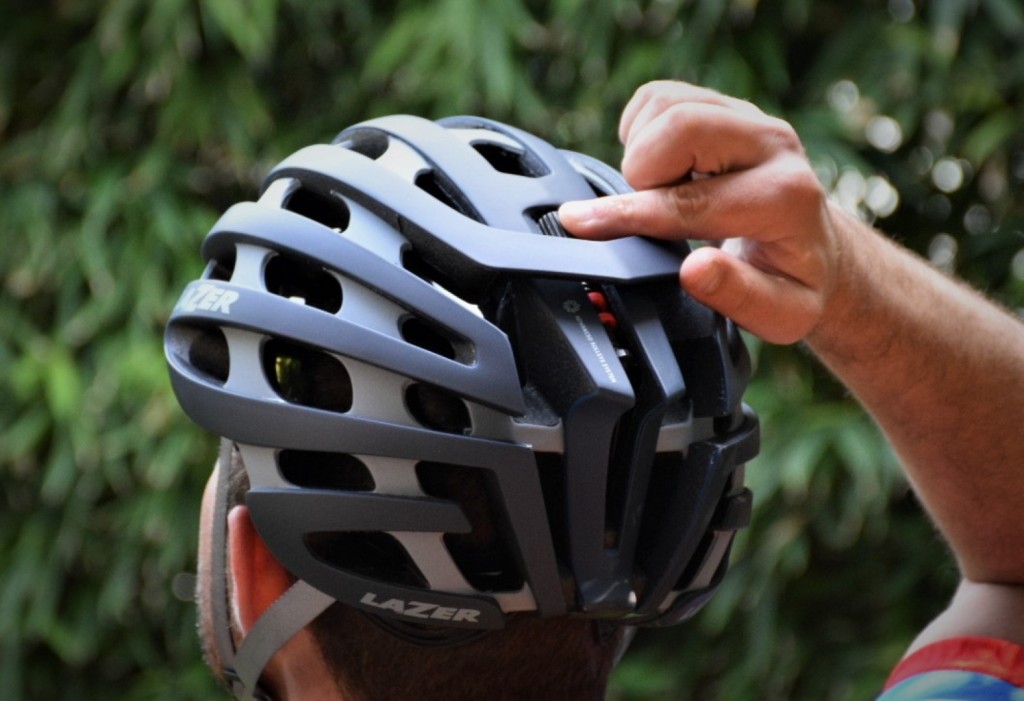
Once you have the right size range, a good fit system allows for fine-tuning. Most modern mountain bike helmets feature a dial at the back that tightens or loosens an internal cradle, ensuring a snug fit around your head. Many also offer vertical adjustment, letting you position the helmet’s cradle higher or lower on your head for optimal comfort and stability. The chin straps should form a “V” shape just below your ears, and the buckle should be snug enough under your chin to prevent excessive movement without causing discomfort. When properly adjusted, your helmet should not wobble or shift when you shake your head, even with the chin strap unbuckled.
Key Features to Look For: Visors, Goggle Compatibility, and More
Beyond the core safety and fit, several features enhance the mountain biking experience:
- Adjustable Visor: A must-have for mountain biking, allowing you to customize sun protection and accommodate goggles.
- Goggle Compatibility: Many helmets are designed with specific channels or a lifted visor position to securely integrate goggles when not in use or during descents. Some even have grippers to keep goggle straps in place.
- Camera/Light Mounts: Integrated mounts provide a secure and stable platform for action cameras or lights, a convenient feature for recording your rides or extending your adventures into the dusk.
- Fidlock Buckles: These magnetic buckles are incredibly easy to fasten and unfasten with one hand, even while wearing gloves.
- Eyewear Garage: Small ports or ridges designed to securely stash your sunglasses when you don’t need them on your face.
Types of Mountain Bike Helmets: Which One is Right for You?
The best mountain bike helmet largely depends on your specific riding style and the terrain you frequent. Different disciplines demand different levels of protection and features.
Trail Helmets: The Versatile All-Rounder
For the majority of mountain bikers, a trail helmet hits the sweet spot. These helmets offer a balanced blend of increased coverage (especially around the back and sides of the head), good ventilation, and comfortable designs suitable for mixed riding. They are robust enough for technical singletrack but breathable enough for climbs, making them the go-to choice for everyday trail riding.
Enduro Helmets: Enhanced Coverage for Aggressive Riding
Enduro riding often involves long climbs followed by challenging, timed descents. Enduro helmets reflect this by offering more substantial coverage than traditional trail helmets, sometimes extending further down the jawline without being a full-face design. Some innovative models are even convertible, featuring a removable chin bar that allows riders to transition from an open-face helmet for climbing to a full-face setup for descending, offering the best of both worlds.
Full-Face Helmets: Max Protection for Gravity Thrills
If your riding involves aggressive downhill, bike park laps, or serious gravity riding, a full-face helmet is non-negotiable. These helmets provide maximum protection for the entire head and face, including the jaw and chin. While heavier and less ventilated than open-face helmets, they are certified to withstand high-impact crashes inherent in these high-stakes disciplines. Many full-face helmets now incorporate MIPS or similar systems, along with improved ventilation, making them more wearable for extended periods.
Cross-Country (XC) Helmets: Lightweight for Speed
For cross-country racers or riders who prioritize lightweight design and maximum ventilation for long climbs and fast-paced riding, XC helmets are ideal. These are often the lightest and most breathable mountain bike helmets, with a sleek profile that resembles road bike helmets but usually with a small visor. They offer less coverage than trail or enduro helmets, emphasizing efficiency over extreme protection.
Caring for Your Lifesaver: Maintenance and Longevity
Your mountain bike helmet is a vital piece of safety equipment, and proper care ensures its effectiveness and longevity.
Cleaning and Storage Tips
Regularly clean your helmet’s pads with mild soap and water to remove sweat and odors. The outer shell can be wiped down with a damp cloth. Avoid harsh chemicals, which can damage the helmet’s materials. Store your helmet in a cool, dry place, away from direct sunlight and extreme temperatures, which can degrade the EPS foam over time. Avoid placing heavy objects on top of it, which can compromise its structural integrity.
When to Replace Your Mountain Bike Helmet
This is a critical safety point: always replace your helmet after any significant impact, even if there’s no visible damage. The EPS foam is designed to absorb impact by crushing, and once it’s done its job, it won’t offer the same level of protection again. Even without a crash, helmet manufacturers generally recommend replacing your helmet every 3-5 years, as materials can degrade over time due to UV exposure, sweat, and general wear and tear. Consider it a small price to pay for continued peace of mind and protection.
Wearing It Right: Maximizing Safety and Experience
Even the best mountain bike helmet can’t protect you if it’s not worn correctly.
The “Eyes-Ears-Mouth” Rule for Proper Positioning
A simple way to remember proper helmet fit is the “Eyes-Ears-Mouth” rule:
- Eyes: The front of your helmet should sit level on your head, about one or two finger-widths above your eyebrows, providing forehead protection without obstructing your vision.
- Ears: The side straps should form a “V” shape just below your ears.
- Mouth: The chin strap should be snug, allowing you to open your mouth wide but preventing the helmet from moving more than an inch in any direction.
Integrating with Your Gear: Goggles, Glasses, and Lights
Modern helmets are designed to work seamlessly with other riding gear. Ensure your chosen helmet offers good compatibility with your preferred sunglasses or goggles. Many visors adjust high enough to “park” goggles underneath, and some helmets even have dedicated eyewear garages for sunglasses. If you ride in low light or at night, check for integrated light mounts or secure ways to attach external lights without compromising stability.
Expert Insights: What Riders and Engineers Are Saying
“The biggest mistake riders make isn’t choosing a ‘bad’ helmet, it’s choosing the wrong helmet for their riding style or wearing it improperly,” explains Dr. Lena Karlsson, a leading sports safety engineer. “We see helmets with incredible safety tech, but if it’s wobbling on your head or doesn’t have the right coverage for your trails, that advanced protection is diminished. Always prioritize fit, and then look for rotational impact systems like MIPS for that added layer of brain protection against the common angled impacts in mountain biking.”
Frequently Asked Questions
Q1: What makes a mountain bike helmet different from a road bike helmet?
A1: Mountain bike helmets typically offer deeper coverage around the back and sides of the head for increased protection on unpredictable terrain. They also feature a visor to shield from sun and debris, and often have more robust construction to handle varied impacts. Road helmets, conversely, prioritize aerodynamics and lighter weight.
Q2: Is MIPS technology really necessary?
A2: While not mandatory, MIPS (or similar rotational protection systems) is highly recommended. Research indicates that many impacts in cycling are angled, leading to rotational forces on the brain. MIPS is designed to reduce these forces, significantly lowering the risk of concussions and other brain injuries compared to helmets without this technology.
Q3: How often should I replace my mountain bike helmet?
A3: You should always replace your helmet immediately after any crash or significant impact, even if there’s no visible damage, as the internal foam may have compressed. If you haven’t crashed, most manufacturers recommend replacing your helmet every 3 to 5 years due to material degradation from UV exposure, sweat, and general wear.
Q4: Can I use a trail helmet for downhill riding?
A4: While a trail helmet offers good general protection, it is generally not recommended for aggressive downhill riding or bike park use. Downhill riding carries a higher risk of high-speed, high-impact crashes, necessitating the full-face coverage and stronger certifications (like ASTM F1952) provided by dedicated full-face downhill helmets.
Q5: How do I know my helmet fits correctly?
A5: A properly fitting helmet should feel snug but comfortable, without any pressure points. It should sit level on your head, about one or two finger-widths above your eyebrows. When the chin strap is buckled, the helmet shouldn’t move more than an inch in any direction when you try to shift it. The side straps should form a “V” just below your ears.
Q6: What does the Virginia Tech helmet safety rating mean?
A6: The Virginia Tech Helmet Lab conducts independent, objective impact tests on a wide range of bicycle helmets, providing a 5-star rating system. More stars indicate a helmet offers better protection against impacts. This rating system helps consumers make informed decisions about helmet safety, often highlighting helmets with rotational impact protection systems.
Q7: Are convertible helmets as safe as dedicated full-face helmets?
A7: Convertible helmets offer versatile protection, bridging the gap between open-face and full-face designs. When the chin bar is attached, they offer increased facial protection suitable for enduro riding. However, a dedicated full-face helmet designed specifically for downhill or gravity riding typically offers the highest level of protection, often meeting more stringent safety certifications (like ASTM F1952) due to its inherently stronger, integrated design.
Conclusion
Choosing the best mountain bike helmet is one of the most important decisions you’ll make as a rider. It’s an investment in your safety, comfort, and ultimately, your enjoyment of the sport. By understanding the various types of helmets, the advanced safety technologies like MIPS, the importance of a proper fit, and how to maintain your gear, you can confidently select a helmet that provides unparalleled protection. Don’t compromise when it comes to head safety; equip yourself with the best mountain bike helmet and hit the trails with confidence, knowing you’re well-protected for every adventure. Ride safe, ride strong!