Hey there, fellow cyclist! Ever wondered what truly stands between your head and a nasty spill on the road or trail? It’s your bike helmet, of course, but not just any helmet. In today’s cycling world, the conversation around head protection has shifted dramatically, with a clear focus on advanced safety features. And at the forefront of this evolution is the Best Mips Bike Helmet, a game-changer designed to offer a superior level of protection that goes beyond traditional impact absorption. It’s not just about meeting safety standards; it’s about exceeding them to safeguard your most valuable asset.
Choosing the right helmet can feel like a maze, with countless options promising comfort, style, and, most importantly, safety. But once you understand the science behind MIPS technology and how it can drastically reduce the risk of serious brain injury, your decision becomes much clearer. This guide is here to demystify the world of MIPS helmets, helping you understand why they’re a crucial investment, how to pick the perfect one for your riding style, and what makes a MIPS helmet truly stand out in the crowded market.
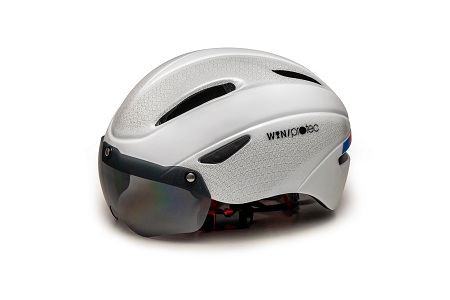
Understanding MIPS: A Revolution in Head Protection
Cycling is an incredible activity, but it comes with inherent risks. While traditional helmets are excellent at protecting against direct impacts, real-world accidents rarely involve a perfectly straight hit. This is where MIPS technology steps in, addressing a critical aspect of head injury prevention that was historically overlooked: rotational forces.
What is MIPS Technology?
MIPS stands for Multi-directional Impact Protection System. Imagine your brain as a delicate organ suspended in fluid inside your skull. When you experience an angled impact – common in most cycling crashes – your head often hits the ground at an angle, causing a sudden, violent rotation of the brain within the skull. This rotational motion can stretch and tear brain tissue, leading to concussions and more severe traumatic brain injuries.
A MIPS bike helmet incorporates a low-friction layer, typically a thin liner, inside the helmet shell. This layer allows the helmet’s outer shell to slide a few millimeters relative to your head during an angled impact. This slight movement, often subtle and barely noticeable, works to redirect and absorb some of those dangerous rotational forces, reducing the amount of stress transferred to your brain. Think of it like a slip plane designed to mimic the brain’s own protective fluid, offering an additional layer of defense that standard helmets don’t.
The Origin and Evolution of Bike Helmets
The journey of the bike helmet has been one of continuous innovation, driven by a deeper understanding of head trauma. Early helmets were simple leather caps, offering minimal protection. Over decades, materials evolved to rigid shells and energy-absorbing foam (EPS), significantly improving protection against direct impacts. However, it was the realization of the danger posed by rotational forces that truly ushered in a new era of helmet design.
MIPS technology, developed in Sweden by brain surgeons and scientists, emerged from extensive research into how the brain is injured in various types of impacts. Its integration into cycling helmets marked a pivotal moment, transforming the standard for safety and inspiring other manufacturers to explore similar rotational impact protection systems.
Beyond Standard MIPS: Spherical and Other Variations
The original MIPS system provides a proven slip-plane layer. However, innovation doesn’t stop there. MIPS Spherical is an advanced evolution where the slip plane is integrated into the helmet’s design using two distinct layers of foam that can rotate independently, essentially creating a “ball-and-socket” system within the helmet itself. This often allows for better ventilation and comfort, as there’s no separate liner.
While MIPS is the most widely recognized, other brands have developed their own rotational impact protection systems. For example, some Lazer helmets feature KinetiCore, a system of controlled crumple zones built directly into the EPS foam, designed to manage both direct and rotational impact forces. Kask’s WG11 protocol also addresses rotational impact protection. While these systems vary in design, their ultimate goal remains the same: to enhance protection against the complex forces encountered in a crash. However, when you’re looking for the best MIPS bike helmet, you’re specifically seeking that proven MIPS technology, whether it’s the classic system or its advanced Spherical variant.
Choosing Your Best MIPS Bike Helmet: A Comprehensive Guide
Selecting the perfect helmet involves more than just picking a cool color. It’s about finding a helmet that fits well, offers the right features for your riding, and provides the highest level of protection available. Here’s what you need to consider.
Key Factors to Consider
- Riding Style: Your type of cycling heavily influences helmet design.
- Road Cycling: Often prioritizes aerodynamics, light weight, and maximum ventilation for long rides and high speeds.
- Mountain Biking: Requires deeper coverage, especially at the back and sides, robust construction to handle trail impacts, and often a visor for sun and debris protection.
- Commuting & Casual Riding: Focuses on comfort, visibility (sometimes integrated lights), urban style, and ease of use.
- Gravel Riding: Blends features from road and mountain helmets, offering good ventilation, decent coverage, and sometimes a minimal visor.
- Fit and Comfort: A helmet is useless if it’s not worn or if it’s uncomfortable. A snug fit is paramount for safety. Look for adjustable dial retention systems (like Giro’s Roc Loc, Lazer’s Advanced Rollsys, or BOA systems) that allow for precise, one-handed adjustments. Padding should be comfortable and moisture-wicking.
- Ventilation: Good airflow keeps your head cool, preventing overheating and improving comfort, especially on hot days or intense climbs. Look at the number and size of vents, as well as internal channeling designed to draw air through the helmet.
- Weight: A lighter helmet can significantly improve comfort on longer rides and reduce neck fatigue. Modern MIPS helmets are designed to be surprisingly lightweight, even with the added safety layer.
- Construction Materials and Durability: Most quality helmets use an in-mold construction, where the outer polycarbonate shell is fused with the EPS foam liner. This creates a stronger, more durable, and lighter helmet.
- Safety Ratings: Look for independent safety ratings. The Virginia Tech Helmet Safety Test is a highly respected resource, providing 5-star ratings for helmets based on comprehensive impact testing, including rotational forces. Prioritizing a helmet with a high Virginia Tech score is an excellent way to ensure you’re choosing a top-tier option.
- Added Features: Many helmets offer practical extras like integrated visors, sunglass docking ports in the vents, antimicrobial padding, or even integrated lights for commuters. These can enhance your riding experience, but always prioritize core safety and fit first.
How to Properly Fit and Adjust Your MIPS Helmet
Even the best MIPS bike helmet won’t protect you if it doesn’t fit correctly. Here’s a quick guide:
- Position: The helmet should sit level on your head, covering your forehead. The front rim should be about one or two finger-widths above your eyebrows.
- Side Straps: Adjust the side straps so they form a “V” shape just below your ears. The buckle should be centered under your chin.
- Chin Strap: Tighten the chin strap so that only one or two fingers can fit snugly between the strap and your chin.
- Retention System: Use the rear dial or adjustment system to snug the helmet securely. It should feel firm but not uncomfortably tight, and the helmet should not rock side-to-side or front-to-back when you shake your head.
A properly fitted helmet should feel like a natural extension of your head – secure, comfortable, and stable.
Top MIPS Bike Helmets for Every Rider
The market is brimming with fantastic MIPS-equipped helmets, each tailored for different riding demands. Here’s a glimpse at what’s available, illustrating how various helmets meet specific needs.
For instance, performance-oriented road cyclists often gravitate towards options like the Giro Aries Spherical, which boasts exceptional ventilation and a 5-star Virginia Tech rating, thanks to its advanced MIPS Spherical technology. Similarly, the ABUS Gamechanger 2.0 MIPS is revered for its aerodynamic efficiency and comfort, making it a favorite among those who chase speed without compromising safety.
Mountain bikers, on the other hand, might favor helmets offering deeper coverage and robust designs, such as the Giro Manifest Spherical, also recognized for its 5-star Virginia Tech rating and extensive head protection. These helmets are built to withstand the unique impacts of trail riding.
For the urban commuter, style often plays a role alongside safety. Helmets like the Thousand Chapter MIPS offer a blend of modern aesthetics, practical features like integrated lights, and the critical MIPS liner, earning it a 5-star Virginia Tech rating for trusted protection on city streets. The Bern Major MIPS also appeals to commuters with its style, ventilation, and 5-star safety rating.
And for those on a budget, it’s great to know that top-tier safety isn’t exclusive to premium price tags. Helmets like the Giant Relay MIPS and Specialized Align II provide excellent MIPS protection and strong Virginia Tech ratings at more accessible price points, proving that essential safety features are available to everyone.
Maintaining Your MIPS Helmet for Lasting Protection
Investing in the best MIPS bike helmet means taking care of it. Proper maintenance ensures its longevity and continues to provide optimal protection.
- Cleaning: Use mild soap and water with a soft cloth to clean the exterior shell. Remove and hand-wash the internal padding regularly to keep it fresh. Avoid harsh chemicals or solvents, as these can degrade the helmet materials, especially the EPS foam.
- Storage: Store your helmet in a cool, dry place, away from direct sunlight or extreme heat (like inside a hot car). Excessive heat can damage the EPS foam and compromise the helmet’s integrity.
- When to Replace: Helmets are designed for a single impact. If you’ve been in a crash, even if the damage isn’t visible, replace your helmet immediately. The foam can compress or crack internally, reducing its ability to protect you in a subsequent impact. Generally, most manufacturers recommend replacing helmets every 3-5 years, as materials can degrade over time due to UV exposure, sweat, and general wear and tear.
The Unquestionable Benefits: Why MIPS is a Must-Have
The core benefit of a MIPS bike helmet is clear: enhanced protection against the complex forces involved in most real-world cycling accidents. By mitigating rotational energy, MIPS technology significantly reduces the risk of brain injury, offering a layer of safety that traditional helmets simply cannot match. This isn’t just about avoiding a cracked skull; it’s about protecting the delicate brain tissue from the twisting and shearing forces that cause concussions.
For any cyclist, from casual weekend riders to competitive athletes, the peace of mind that comes with knowing you have the best possible head protection is invaluable. It allows you to focus on the joy of riding, knowing you’ve taken a proactive step towards your safety.
Expert Insights on Helmet Safety
“In biomechanics, we understand that impacts are rarely clean or linear. The brain is particularly vulnerable to rotational forces, which cause a shearing effect within its delicate structure,” explains Dr. Elara Vance, a leading biomechanical engineer specializing in impact protection. “MIPS technology provides a crucial slip plane that acts like a second skin, redirecting these rotational energies away from the brain. It’s a scientifically validated step forward in rider safety, significantly reducing the likelihood and severity of certain brain injuries in a crash.”
Frequently Asked Questions
What does MIPS stand for?
MIPS stands for Multi-directional Impact Protection System, a technology designed to reduce rotational forces on the brain during angled impacts.
Is a MIPS helmet truly safer than a non-MIPS helmet?
Yes, independent testing, such as that conducted by Virginia Tech, consistently shows that MIPS-equipped helmets offer a statistically significant improvement in protection against rotational forces compared to helmets without the technology. This makes them a safer choice for cyclists.
How often should I replace my bike helmet?
You should replace your bike helmet immediately after any crash, even if visible damage is not apparent. Generally, helmet manufacturers recommend replacing helmets every 3 to 5 years, as materials can degrade over time due to UV exposure, sweat, and general wear.
Can I add MIPS to my existing helmet?
No, MIPS is an integrated system designed into the helmet’s structure. It cannot be retrofitted or added to an existing helmet that wasn’t originally designed with MIPS technology.
Are MIPS helmets hotter?
In the early days of MIPS, some designs could slightly impact ventilation. However, modern MIPS helmets, especially those with MIPS Spherical or other integrated designs, are engineered to offer excellent airflow and comfort, often indistinguishable from their non-MIPS counterparts.
Conclusion: Ride Smarter, Ride Safer with the Best MIPS Bike Helmet
The choice of a bike helmet is perhaps the most critical gear decision a cyclist makes. In an era where safety technology is constantly advancing, opting for the best MIPS bike helmet is a clear statement of prioritizing your well-being. It’s an investment in advanced protection, offering a significant advantage against the complex forces of an angled impact, which are all too common in real-world cycling incidents.
So, as you gear up for your next adventure, remember to choose wisely. Look for that MIPS logo, prioritize fit and comfort, consider your riding style, and always consult independent safety ratings. By doing so, you’re not just buying a helmet; you’re securing peace of mind and embracing a smarter, safer way to enjoy every pedal stroke. Ride on, knowing you’re protected by the best.