Riding a bike offers an unparalleled sense of freedom and exhilaration, whether you’re commuting through city streets, carving up mountain trails, or cruising on open roads. But amidst the joy of cycling, one piece of gear stands paramount: your helmet. It’s not just a recommendation; for adults, choosing the Best Adult Bike Helmet is a critical decision that directly impacts your safety and riding experience. A well-chosen helmet acts as your primary guardian, protecting your most vital asset while enhancing comfort and even style on every journey. This comprehensive guide will navigate you through the world of adult bike helmets, ensuring you make an informed choice for your next adventure.
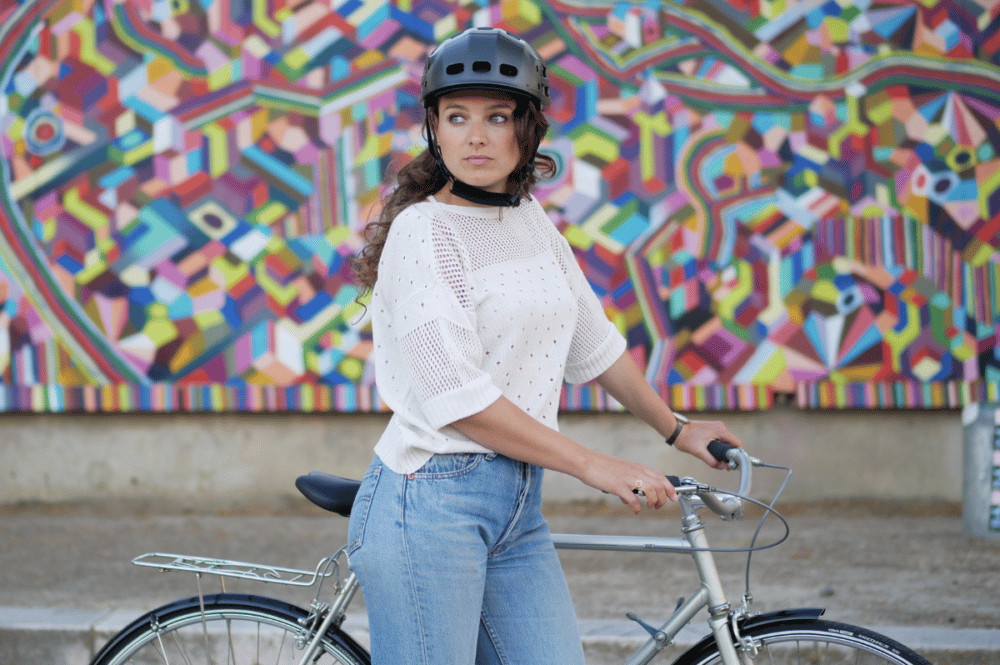
Why a Bike Helmet is Non-Negotiable: Beyond Just a Rule
Think of your bike helmet as more than just a piece of plastic and foam; it’s a meticulously engineered shield designed to absorb and dissipate impact forces during a crash. Studies consistently show that wearing a helmet significantly reduces the risk of head injuries, including traumatic brain injuries (TBIs), which account for a substantial percentage of cycling-related fatalities. Even a minor fall can have severe consequences, making the decision to wear a helmet, and specifically the best adult bike helmet for your needs, an act of self-preservation, not just compliance. It’s about empowering you to ride with confidence, knowing you’re protected.
The Science of Safety: Understanding Helmet Materials and Technology
Modern bike helmets are a marvel of engineering, combining advanced materials and innovative designs to offer superior protection. Understanding what goes into their construction can help you appreciate the value of a quality helmet.
The Core: EPS Foam and Polycarbonate Shells
At the heart of most bike helmets is Expanded Polystyrene (EPS) foam. This dense, crushable material is designed to deform upon impact, effectively slowing down your head and dispersing the energy of the crash across a larger area, thereby reducing the force transmitted to your brain. Encasing this foam is typically a tough polycarbonate outer shell. This shell serves a dual purpose: it provides puncture resistance against sharp objects and allows the helmet to slide on impact, which can help reduce rotational forces. In good helmets, the EPS foam and shell are co-molded, creating a single, robust structure that holds together even under stress.
Revolutionizing Protection: MIPS, WaveCel, and KinetiCore
While traditional helmets excel at protecting against direct impacts, modern safety research highlights the danger of rotational forces, which occur in angled impacts and can lead to more severe brain injuries. This is where advanced technologies step in:
- MIPS (Multi-directional Impact Protection System): This widely adopted technology features a low-friction layer, often inside the helmet, that allows the helmet’s outer shell to slide relative to the head during an angled impact. This slight movement redirects rotational energy, significantly reducing the stress on the brain [cite: 2, 4, 5 (search 2), 3 (search 3)]. Many of the top-rated adult bike helmets incorporate MIPS.
- WaveCel: Found in some Bontrager helmets, WaveCel uses a collapsible cellular structure that lines the inside of the helmet. It works as a crumple zone, flexing and gliding to absorb both direct and rotational impact energy [cite: 5 (search 2)].
- KinetiCore: Lazer’s proprietary rotational impact protection technology integrates controlled crumple zones directly into the helmet’s EPS foam, offering similar rotational energy reduction while often allowing for lighter designs and improved ventilation.
“The continuous evolution of helmet technology, particularly with systems like MIPS, WaveCel, and KinetiCore, marks a significant leap forward in rider safety. These innovations aren’t just buzzwords; they represent real-world protection against complex impact scenarios,” notes Dr. Eleanor Vance, a leading expert in sports biomechanics.
Beyond Basic Tests: What Virginia Tech Ratings Mean
While all helmets sold in regulated markets must meet minimum safety standards, some go above and beyond. The Virginia Tech Helmet Lab provides independent, unbiased safety ratings for a wide range of helmets, using a five-star system. Their impact tests consider various angles and speeds, offering a comprehensive assessment of a helmet’s protective capabilities [cite: 2, 4, 5 (search 1), 2 (search 2), 4 (search 3)]. Looking for a helmet with a high Virginia Tech rating can provide extra assurance when choosing the best adult bike helmet.
Finding Your Perfect Match: A Step-by-Step Guide to Choosing the Best Adult Bike Helmet
A helmet can only protect you if it fits correctly. Even the most advanced safety features are compromised if your helmet is too loose or improperly positioned.
Measure Up: Getting Your Head Circumference Right
The first step to a perfect fit is knowing your head circumference. Use a flexible tape measure (or a string and a ruler) and wrap it around the largest part of your head, about one inch above your eyebrows and ears. Compare this measurement to the helmet brand’s sizing chart. Remember, sizes can vary slightly between manufacturers [cite: 1, 2, 4, 5 (search 3)]. If you’re between sizes, often going with the smaller size and using adjustment systems is recommended, or trying on different models.
The “Snug Fit” Secret: Adjusting for Comfort and Security
Once you have the right size, fine-tuning the fit is crucial:
- Position: The helmet should sit level on your head, covering your forehead. The front rim should be one or two finger-widths above your eyebrows. The back of the helmet should not push against the top of your neck [cite: 3 (search 2)].
- Snugness: The helmet should feel snug all around, with no significant gaps between the foam pads and your head. It shouldn’t wiggle when you shake your head vigorously from side to side or front to back [cite: 1, 2, 3, 4, 5 (search 3), 2 (search 2)].
- Side Straps: Adjust the side straps so they form a “V” shape just below, and slightly in front of, your ears [cite: 3, 4 (search 2), 4 (search 3)].
- Chin Strap: Buckle the chin strap and tighten it so it’s snug but comfortable. You should be able to fit no more than one or two fingers between the strap and your chin. To test, open your mouth wide – the helmet should pull down slightly on your head [cite: 3, 4 (search 2), 4 (search 3)]. If it doesn’t, tighten the chin strap further.
- Hairstyle: Always try on helmets with the hairstyle you typically wear while riding, as this can affect the fit [cite: 3 (search 2)].
Style Meets Substance: Ventilation, Weight, and Visors
Beyond safety and fit, other features enhance your riding experience:
- Ventilation: More vents generally mean better airflow, keeping your head cooler and more comfortable, especially on long rides or in warm weather. Good ventilation also contributes to a lighter helmet [cite: 4, 5 (search 2), 1, 2, 3, 4 (search 3)].
- Weight: Lighter helmets reduce neck fatigue and improve comfort, making you more likely to wear them consistently.
- Visors: Common on mountain and commuter helmets, visors protect your eyes from sun glare, rain, and trail debris [cite: 5 (search 2)]. Some are removable or adjustable.
- Adjustability: Look for helmets with easy-to-use dial-fit systems at the back, which allow for quick and precise adjustments to achieve that perfect snugness [cite: 2 (search 2), 5 (search 3)].
Helmets for Every Journey: Specialized Types for Adult Riders
The “best adult bike helmet” isn’t a one-size-fits-all concept. Different riding styles demand different helmet characteristics.
Road Helmets: Aerodynamic Speed and Cooling
Designed for speed and efficiency, road bike helmets are typically lightweight, highly aerodynamic, and feature abundant ventilation to keep riders cool during intense efforts. They often have a sleeker profile and may prioritize minimal drag over extensive rear coverage [cite: 2, 4, 5 (search 1), 5 (search 2), 3 (search 3)].
Mountain Bike Helmets: Rugged Protection for the Trails
Mountain biking presents unique crash scenarios, so MTB helmets offer enhanced rear head coverage to protect the back of the skull, which is vulnerable in backward falls [cite: 3 (search 1), 4, 5 (search 2), 2, 3 (search 3)]. They are built with durable materials, often include a prominent visor, and have robust ventilation systems designed to work well even at slower, technical speeds [cite: 3 (search 3)]. Some aggressive trail or enduro helmets even feature removable chin guards for full-face protection.
Commuter and Urban Helmets: Visibility and Everyday Practicality
For daily rides to work, school, or around town, commuter helmets blend safety with practical features and a discreet style. They often have fewer, larger vents, which can allow for more internal padding for comfort. Many commuter helmets integrate features like rear LED lights, reflective elements, or even brake sensors to enhance visibility in traffic and low-light conditions [cite: 1 (search 2), 4 (search 2), 3 (search 3)].
Smart Helmets: The Future of Cycling Safety
Emerging “smart helmets” take safety and convenience to the next level. These can include integrated cameras, navigation systems, Bluetooth connectivity for music and calls, and even crash detection sensors that can alert emergency contacts in case of an accident [cite: 1 (search 1), 4 (search 2)]. While often at a higher price point, these innovations offer a glimpse into the future of advanced rider protection.
Keeping Your Lifesaver Pristine: Maintenance and Replacement Tips
Your bike helmet is a vital piece of safety equipment, and like any gear, it requires care.
- Cleaning: Regularly clean your helmet’s pads and outer shell with mild soap and water. Avoid harsh chemicals, which can degrade helmet materials.
- Storage: Store your helmet in a cool, dry place away from direct sunlight or extreme heat, which can damage the EPS foam.
- Replacement After a Crash: This is paramount. Even if there’s no visible damage, the helmet’s internal foam may have compressed or cracked, compromising its ability to protect you in a subsequent impact [cite: 3 (search 2)]. Always replace a helmet after any significant crash.
- General Replacement: Most manufacturers recommend replacing helmets every three to five years, even without a crash, due to material degradation from UV exposure, sweat, and general wear and tear.
Frequently Asked Questions About Adult Bike Helmets
Here are some common questions riders have about choosing and using their helmets.
Q: How often should I replace my bike helmet?
A: You should replace your helmet immediately after any crash, even if there’s no visible damage, as the internal structure may be compromised. Generally, it’s recommended to replace helmets every three to five years due to material degradation from UV light, sweat, and normal wear [cite: 3 (search 2)].
Q: What is MIPS technology, and do I really need it?
A: MIPS (Multi-directional Impact Protection System) is a low-friction layer inside the helmet designed to reduce rotational forces that can occur during angled impacts, lessening the strain on your brain [cite: 2, 4, 5 (search 2), 3 (search 3)]. While not legally required, many experts and safety ratings (like Virginia Tech’s) suggest it significantly enhances protection, making it a highly recommended feature for the best adult bike helmet.
Q: Can I use a mountain bike helmet for road cycling?
A: Yes, generally you can use a mountain bike helmet for road cycling, and vice-versa, though they are optimized for different conditions [cite: 5 (search 2)]. Mountain bike helmets offer more rear coverage and a visor, which might be heavier and less aerodynamic for road use. Road helmets are lighter and more ventilated but offer less rear protection for aggressive trail riding.
Q: How do I know if my helmet fits correctly?
A: A correctly fitting helmet should be snug all around your head without uncomfortable pressure points and should not move or wobble when you shake your head. The front should sit about one or two finger-widths above your eyebrows, and the chin strap should allow one or two fingers to fit beneath it [cite: 3, 4 (search 2), 1, 3, 4, 5 (search 3)]. When you open your mouth wide, the helmet should pull down slightly.
Q: Are more expensive helmets always safer?
A: Not always. While higher-priced helmets often incorporate advanced safety technologies like MIPS or WaveCel, better ventilation, lighter materials, and superior comfort features, even budget-friendly helmets meet stringent safety standards [cite: 2, 5 (search 1)]. The Virginia Tech Helmet Lab ratings demonstrate that some moderately priced helmets offer excellent protection, proving that fit and technology are often more important than just price [cite: 2 (search 2)].
Conclusion
Choosing the best adult bike helmet is a crucial investment in your personal safety and enjoyment of cycling. By understanding the core safety technologies like EPS foam, MIPS, WaveCel, and KinetiCore, and prioritizing a proper fit, you empower yourself with the knowledge to select a helmet that truly protects. Whether you’re a road enthusiast, a mountain trailblazer, or a city commuter, there’s a perfect helmet out there designed to keep you safe and comfortable. Don’t compromise on head protection; explore the options, find your ideal fit, and ride with confidence, knowing you’ve made the smart choice.