The daily ride to work or around the city is more than just transportation; it’s a part of your lifestyle. And just like your perfect coffee or your favorite playlist, your gear needs to fit seamlessly into that routine. When it comes to cycling, few pieces of equipment are as critical and personal as your helmet. Forget bulky, purely utilitarian headgear of the past; today’s best commuter bike helmet is a fusion of cutting-edge safety, thoughtful design, and urban practicality. It’s about more than just protecting your head in a crash; it’s about enhancing your entire riding experience, making it safer, more comfortable, and undeniably stylish.
The Evolution of Commuter Helmets: More Than Just Protection
Gone are the days when a bike helmet was a one-size-fits-all, aesthetically challenged necessity. Modern commuter helmets have evolved to meet the unique demands of urban cycling. They balance robust protection with features crucial for navigating city streets, from integrated visibility solutions to enhanced comfort for stop-and-go traffic. This isn’t just about adhering to safety standards; it’s about designing a helmet that actively integrates into your daily life, offering peace of mind without compromising on personal expression.
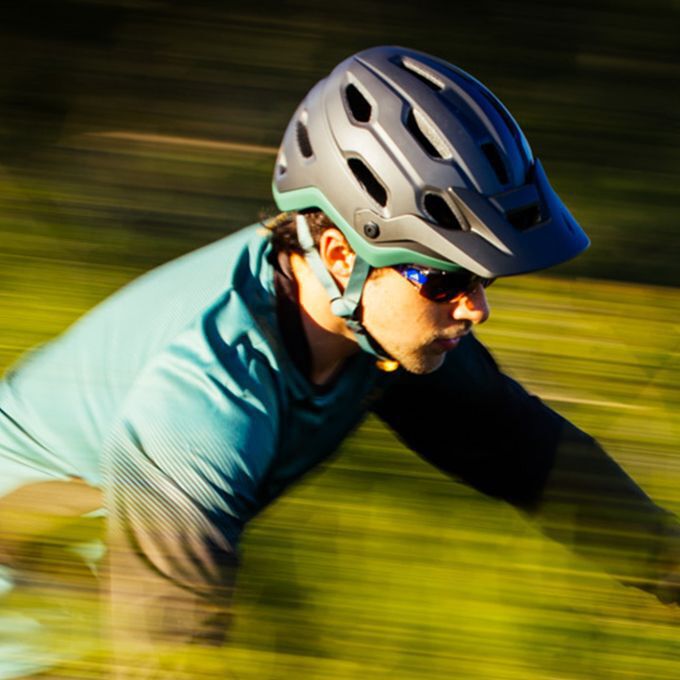
Behind the Shell: Materials and Technologies That Keep You Safe
At the heart of any great helmet is its ability to protect. The foundation of most bicycle helmets is expanded polystyrene (EPS) foam, a material renowned for its energy-absorbing properties upon impact. This foam is typically encased in a hard plastic shell, which helps distribute impact forces and prevents sharp objects from penetrating.
However, modern safety extends beyond direct impact absorption. Rotational forces, common in cycling accidents, can be particularly damaging to the brain. This is where advanced technologies like MIPS (Multi-directional Impact Protection System), Wavecel, or Kask’s WG11 protocol come into play. These systems are designed to allow the helmet’s outer shell to slide relative to the inner liner upon an angled impact, effectively reducing the rotational forces transferred to your head. Think of it as an extra layer of defense, offering a more comprehensive approach to brain protection.
For those riding e-bikes, an even higher standard of protection is available with NTA 8776 certification. These helmets are tested to withstand higher impact speeds and offer more coverage, recognizing the increased speeds and potential risks associated with electric bicycles.
Choosing Your Perfect Commuter Companion: A Step-by-Step Guide
Selecting the ideal commuter helmet can feel like a quest, but by focusing on key features, you can narrow down the options to find your perfect match.
Safety First: Understanding Certifications and Impact Protection
When considering a best commuter bike helmet, safety is paramount. Always look for helmets that meet established safety certifications in your region, such as CPSC (U.S.), CE EN1078 (Europe), or AS/NZS 2063 (Australia/New Zealand). These certifications ensure the helmet has passed rigorous impact tests. Beyond basic compliance, prioritize helmets featuring rotational impact protection systems like MIPS or Wavecel, which offer an added layer of defense against complex angled impacts. Additionally, consulting independent ratings, such as those provided by Virginia Tech, can offer objective insights into a helmet’s protective capabilities.
Visibility is Key: Integrated Lights and Reflective Features
Riding in urban environments, especially during dawn, dusk, or night, demands maximum visibility. Many of the best commuter bike helmets now come equipped with integrated LED lights, often at both the front and rear. These built-in lights offer a seamless way to enhance your presence on the road without the hassle of attaching external lights. Some advanced models even feature indicator lights controlled by a handlebar remote, allowing you to signal turns effortlessly. Beyond lights, look for helmets with reflective elements or bright, high-contrast colors, which significantly increase your visibility to drivers and pedestrians.
Comfort is King: Fit, Ventilation, and Adjustability
A helmet only protects you if you wear it, and you’ll only wear it if it’s comfortable. Start by accurately measuring your head circumference to find the correct size. When trying on helmets, ensure it sits level on your head, covering your forehead without obstructing your vision. A good commuter helmet should feature an easy-to-use retention system, often a dial at the back, allowing for precise circumference adjustment. Look for soft, plush padding that wicks away moisture and, importantly, ensure there’s enough room for your preferred hairstyle, including ponytail compatibility if needed.
“The best helmet is the one you forget you’re wearing,” advises Marcus Thorne, a veteran urban cycling advocate and gear reviewer. “It should fit snugly without pressure points, and the ventilation should be adequate for city speeds – not necessarily race-level, but enough to keep you cool when you’re stopped at a light.”
Ventilation is another crucial factor. While urban helmets often have fewer, larger vents compared to road racing helmets (offering better weather protection), they should still provide sufficient airflow to prevent overheating during stop-and-go city riding.
Practicality for Urban Life: Portability and Security
Commuting often involves dismounting and carrying your helmet. For this, innovative features shine. Some helmets are designed to fold down to a more compact size, making them easier to stash in a bag or locker. Another ingenious feature is the ability to thread a D-lock through the helmet’s vents, allowing you to secure it directly to your bike when parked, thus reducing the risk of theft. Magnetic buckles, like the Fidlock system, offer a quick, one-handed closure, a small but significant convenience in a busy routine.
Style That Speaks to You: Aesthetics and Personal Expression
While safety and practicality are paramount, your commuter helmet is also an extension of your personal style. The market now offers an impressive array of designs, from sleek, minimalist urban looks to more robust, adventure-ready aesthetics. Choose colors and finishes that resonate with you, whether it’s a matte black that blends in, a vibrant hue for added visibility, or a retro-inspired design that makes a statement. Finding a helmet you genuinely like the look of increases the likelihood you’ll wear it consistently.
Keeping Your Commuter Helmet in Top Shape: Care and Maintenance
To ensure your best commuter bike helmet provides optimal protection for years to come, proper care is essential. Regularly clean the exterior with mild soap and water, avoiding harsh chemicals that could degrade the helmet materials. Remove and wash the internal padding as needed to keep it fresh. Store your helmet in a cool, dry place, away from direct sunlight or extreme heat, which can compromise the EPS foam. Crucially, replace your helmet immediately after any impact, even if there are no visible signs of damage, as the structural integrity may be compromised. Most manufacturers also recommend replacing helmets every three to five years, regardless of impacts, due to material degradation over time.
Safety Beyond the Helmet: Riding Smart in the City
Wearing the best commuter bike helmet is a crucial step, but it’s part of a larger safety ecosystem. Always ensure your helmet is fitted correctly, with the straps adjusted snugly under your chin and the chin pad comfortable against your throat. The helmet should not rock side-to-side or front-to-back. Combine your helmet with other essential cycling accessories, such as bright front and rear lights (even during the day for added visibility), reflective clothing, and a bell. Practicing defensive riding, anticipating potential hazards, and adhering to traffic laws are equally important for a safe urban cycling experience.
Expert Insights: What the Pros Look For
“For daily commutes, I always recommend looking for a helmet with good rear head coverage and, ideally, integrated lights,” says Dr. Elena Rodriguez, a cycling safety researcher. “Traffic dynamics mean you’re often approached from behind or from the side, so maximizing visibility from all angles is non-negotiable. And don’t compromise on fit – a poorly fitting helmet is a liability, not an asset.”
Frequently Asked Questions About Commuter Bike Helmets
What exactly is MIPS, and do I need it in my commuter helmet?
MIPS (Multi-directional Impact Protection System) is a low-friction layer inside the helmet designed to reduce rotational forces that can result from certain impacts. While not strictly mandatory, it provides an enhanced level of protection against oblique impacts, making it a highly recommended feature for any cyclist, especially commuters navigating unpredictable urban environments.
How often should I replace my commuter bike helmet?
Manufacturers generally recommend replacing your helmet every three to five years, regardless of visible damage. This is because the materials can degrade over time due to exposure to UV light, sweat, and general wear and tear. Crucially, always replace your helmet immediately after any crash or significant impact, even if it looks fine, as its structural integrity may be compromised.
Can I use a regular road helmet for commuting?
While a road helmet provides basic protection, a dedicated commuter helmet often offers features specifically tailored to urban riding. These include better ventilation for lower speeds, enhanced visibility features like integrated lights, and practical elements like lock-through ports or more robust outer shells designed for daily wear and tear. A road helmet can work, but a commuter-specific model usually offers greater convenience and targeted safety for city life.
Are integrated lights on a helmet truly necessary?
Integrated lights significantly boost your visibility to other road users without the fuss of external attachments. While not strictly “necessary” if you have powerful bike-mounted lights, they offer an additional, often higher-positioned, light source that can be more easily seen in traffic. Many commuters find them invaluable for peace of mind, especially in low-light conditions.
What’s the best way to clean my commuter bike helmet?
For the exterior, use a soft cloth with mild soap and water to wipe away dirt and grime. Avoid abrasive cleaners or harsh chemicals. Many helmets have removable internal pads that can be hand-washed with mild detergent and air-dried. Regularly cleaning your helmet helps maintain hygiene and prolongs its lifespan.
Conclusion
Choosing the best commuter bike helmet is an investment in your safety, comfort, and confidence on two wheels. By understanding the advancements in safety technology, prioritizing features that enhance visibility and practicality, and selecting a style that complements your personal aesthetic, you transform a simple piece of gear into an indispensable companion. Embrace the journey, ride smart, and discover how the right helmet can truly revolutionize your daily commute. So, go ahead, find your perfect fit, hit the streets, and experience the joy of a safe and stylish ride!
|
Our Picks for the Best Bike Helmet in 2026
As an Amazon Associate I earn from qualifying purchases.
|
||
| Num | Product | Action |
|---|---|---|
| 1 | Schwinn Thrasher Helmet for Adults, Size 58-62 cm for Riders Ages 14+, Microshell, Adjustable Dial & Straps, Interior Padding, Air Vents, Lighted or Unlit, Visor, Adult Bike Helmet |

|
| 2 | Retrospec Dakota Adult Bike Helmet for Men & Women - Multi-Sport Protection with ABS Shell, EPS Foam, 10 Vents & Removable Washable Padding for BMX, Skating, Scooter and Skate - Helmets for Adults |
|
| 3 | XNITO Bike Helmet with LED Lights - Urban Bicycle Helmet for Adults, Men & Women - CPSC & NTA-8776 Dual Certified - Class 3 E-Bikes, Scooters, Onewheel, Commuter, Mountain |
|
| 4 | 80SIX Triple Certified Multisport Helmet - Ideal for Bike, Scooter, Skateboard, Roller Skate and Inline Skate |
|
| 5 | Findway Pro Bike Helmet for Adults,Adjustable Cycling Helmet for Men & Women [Safety Certified] Bicycle Helmet for Commuting, Road Biking, Skating with Adjustable Dial |
|
| 6 | Retrospec Lennon Adult Bike Helmet with LED Safety Light Adjustable Dial & Removable Visor - Adjustable Bicycle Cycling Helmet for Men & Women |
|
| 7 | Kids Bike Helmet, Adjustable and Multi-Sport, from Toddler to Youth, 3 Sizes |
|
| 8 | 80SIX Triple Certified Multisport Helmet - Ideal for Bike, Scooter, Skateboard, Roller Skate and Inline Skate |
|
| 9 | Exclusky Bike Helmet Mountain Bike Helmet for Adults Lightweight MTB Cycling Helmet for Men Women Adjustable Bicycle Helmet with Visor |
|
| 10 | Giro Isode MIPS |
|