Riding a bike offers a unique blend of freedom, fitness, and fun, but it comes with a non-negotiable accessory: the helmet. Among a sea of options, the Nutcase bike helmet stands out, not just for its undeniable safety features but also for its vibrant personality and commitment to style. If you’re looking to turn heads while protecting your own, a Nutcase helmet might just be your perfect match.
The Heart and Soul of Cycling Safety: Why Helmets Matter
The origin and significance of bicycle helmets are rooted deeply in safety. Designed to protect the most vital part of our anatomy, the head, during falls or impacts, bike helmets have evolved from rudimentary designs to sophisticated pieces of engineering. They literally mean the difference between a minor tumble and a life-altering injury. While the core function remains protection, brands like Nutcase have redefined what a helmet can be, transforming it into an expression of individual style and joy.
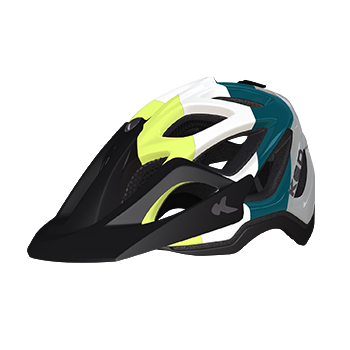
For anyone who has ever thought a helmet was a cumbersome necessity, Nutcase offers a refreshing perspective. Their philosophy, “Love Your Brain,” encapsulates a holistic approach: helmets should be comfortable, stylish, and above all, protective, encouraging more people to wear them consistently. This brand doesn’t just sell helmets; it promotes a lifestyle where safety and self-expression ride hand-in-hand.
Decoding the Tech Behind Your Dome Protection
What makes a Nutcase bike helmet so effective and distinctive? It’s a blend of carefully selected materials and innovative technologies.
Materials at the Core
Most Nutcase helmets utilize an outer shell made of durable ABS plastic, known for its impact resistance. This tough exterior is paired with an Expanded Polystyrene (EPS) foam liner. EPS foam is the unsung hero, designed to crush and absorb the energy of an impact, effectively dispersing forces away from your head. This dual-layer construction provides a robust defense against various types of impacts.
Innovative Technologies for Enhanced Safety
Beyond the basic materials, Nutcase integrates several key technologies to boost safety and user experience:
- MIPS (Multi-directional Impact Protection System): Many Nutcase models now feature MIPS technology. This is a low-friction layer inside the helmet that allows a relative motion between the head and the helmet in an angled impact. This significantly reduces rotational forces that can cause severe brain injury. Think of it as an extra layer of shock absorption specifically designed for oblique impacts.
- Fidlock Magnetic Buckle: This smart closure system is a game-changer. It allows for one-handed operation, snapping securely into place with magnets and releasing just as easily. No more fumbling with traditional buckles, making it convenient and hassle-free, especially for kids or riders wearing gloves.
- Crumple Zone EPS: Some designs incorporate varied densities of EPS foam to create zones that crumple differently upon impact, optimizing energy absorption across a wider range of forces.
- Visibility Features: Many helmets include reflective straps and logos, and some advanced models even feature integrated LED lights for enhanced visibility in low-light conditions, directly addressing a critical safety concern for urban riders.
Finding Your Perfect Fit: A Step-by-Step Guide
Choosing and adjusting the right Nutcase bike helmet is crucial for both comfort and safety. A poorly fitting helmet offers significantly less protection.
How to Select the Right Size:
- Measure Your Head: Use a flexible tape measure to find the circumference of your head. Place the tape just above your eyebrows and ears, measuring around the widest part.
- Consult the Sizing Chart: Nutcase provides detailed sizing charts for each helmet model (e.g., Little Nutty, Street, Vio). Compare your measurement to find the corresponding helmet size (e.g., XS, S, M, L, XL). When in doubt, it’s often better to go for the slightly larger size if you’re between measurements, as internal pads can usually help fine-tune the fit.
Adjusting Your Helmet for Optimal Protection:
- Placement: The helmet should sit level on your head, covering your forehead without tilting back. You should be able to see the front edge of the helmet just above your eyebrows.
- Straps: The side straps should form a “V” shape just below your ears. Adjust the sliders to achieve this.
- Chin Strap: Fasten the Fidlock buckle securely under your chin. You should be able to fit one or two fingers snugly between the strap and your chin, no more.
- Retention System: Most Nutcase helmets have a dial or a retention system at the back. Tighten this until the helmet feels snug and doesn’t move excessively when you shake your head, but without causing discomfort or pressure points.
“A helmet that fits well is a helmet that you’ll wear,” advises Dr. Elena Rodriguez, a cycling safety advocate. “It shouldn’t wobble, obstruct your vision, or feel like a burden. Nutcase has done an excellent job making their helmets easy to fit, which is a huge step towards better adoption.”
Keeping Your Nutcase Pristine: Care and Maintenance Tips
A Nutcase bike helmet is an investment in your safety and style, and with proper care, it will serve you well for years.
General Maintenance:
- Cleaning: Use a soft cloth, mild soap, and water to clean the exterior shell. Avoid harsh chemicals or abrasive materials, which can damage the helmet’s finish or structural integrity.
- Interior Pads: Many Nutcase helmets come with removable, washable interior pads. Hand wash them gently and air dry completely before reinserting.
- Storage: Store your helmet in a cool, dry place away from direct sunlight or extreme temperatures. Heat can degrade the EPS foam and compromise its protective capabilities.
When to Consider Replacement:
- After Any Impact: Even if there are no visible signs of damage, the EPS foam can be compromised in an impact. Always replace your helmet after a crash.
- Wear and Tear: Check for cracks, dents, or signs of material degradation. If the straps are frayed or the buckle isn’t functioning correctly, it’s time for a new helmet.
- Age: Helmet manufacturers generally recommend replacing helmets every 3-5 years, even without a crash. Over time, materials can degrade due to exposure to UV light, sweat, and general use.
Specialized Nutcase Helmets:
Nutcase offers various lines tailored to different needs:
- Street Helmets: Their classic line, known for vibrant designs and suitability for urban commuting, skateboarding, and general recreation.
- Little Nutty: Specifically designed for toddlers and children, offering excellent protection and fun graphics to encourage early helmet use.
- Vio Helmets: Featuring integrated LED lighting for enhanced visibility, perfect for night riders or those who commute in low-light conditions.
The Unseen Benefits: Beyond Basic Protection
While the primary benefit of wearing a Nutcase bike helmet is undeniably safety, the advantages extend far beyond impact protection.
Enhanced Safety Features:
- Reduced Risk of Head Injury: This is paramount. Helmets significantly reduce the risk of concussions, skull fractures, and severe traumatic brain injuries.
- Rotational Impact Protection (MIPS): As mentioned, this technology adds a crucial layer of defense against some of the most damaging types of head injuries.
- Increased Visibility: Bright colors, reflective elements, and integrated lights on models like the Vio make riders more noticeable to motorists and pedestrians, reducing the risk of accidents in the first place.
Comfort and Convenience:
- Ventilation: Strategically placed vents help circulate air, keeping your head cool and comfortable, especially on longer rides or in warmer weather.
- Adjustable Fit: The dial-fit system and various padding options ensure a personalized, snug fit for almost any head shape, eliminating discomfort.
- User-Friendly Buckle: The Fidlock magnetic buckle simplifies securing and removing the helmet, making it less of a chore.
Wearing Your Nutcase Helmet Right: The Perfect Ride Ensemble
Properly wearing your Nutcase bike helmet and integrating it with your cycling gear maximizes both safety and enjoyment.
Correct Helmet Positioning:
Always ensure your helmet is level on your head, covering your forehead. The “two-finger rule” is a good guideline: you should be able to place no more than two fingers between your eyebrows and the helmet’s rim. The chin strap should be snug, and the side straps should form a ‘V’ around your ears.
Pairing with Accessories:
- Eyewear: Most cycling glasses or sunglasses fit comfortably under or over the helmet straps. Test them together to ensure no pressure points.
- Headwear: For warmth in colder weather, a thin cycling cap or beanie can be worn under the helmet, as long as it doesn’t compromise the fit. Avoid bulky hats.
- Hair: Long hair should be tied back low, beneath the helmet’s retention system, to maintain a proper fit and comfort.
Frequently Asked Questions about Nutcase Bike Helmets
Q: Are Nutcase helmets certified for safety?
A: Yes, Nutcase bike helmets meet rigorous safety standards. All helmets sold in the US are CPSC certified, and they also meet other international standards like CE EN-1078 for Europe, ensuring they provide reliable protection.
Q: Can I use a Nutcase helmet for other sports like skateboarding?
A: Many Nutcase “Street” series helmets are multi-sport certified, meaning they meet standards for both cycling and skateboarding. Always check the specific helmet’s certifications if you plan to use it for multiple activities.
Q: How do I know if my Nutcase helmet fits correctly?
A: A correctly fitting helmet should be snug but comfortable, not moving around on your head when you shake it. It should sit level on your head, covering your forehead, with the straps forming a ‘V’ below your ears and the chin strap allowing one to two fingers underneath.
Q: Can children wear adult Nutcase helmets?
A: It is always best for children to wear helmets specifically designed for kids, like the Little Nutty series. These are scaled appropriately for smaller heads and often feature designs that appeal to younger riders, encouraging them to wear them.
Q: What is MIPS technology in Nutcase helmets?
A: MIPS (Multi-directional Impact Protection System) is an added safety feature found in many Nutcase helmets. It’s a low-friction layer designed to reduce rotational forces that can occur during certain impacts, offering enhanced protection against brain injuries.
The Nutcase Difference: Riding in Style and Safety
Ultimately, choosing a Nutcase bike helmet means opting for a blend of uncompromising safety, innovative design, and a dash of personal flair. From their durable construction and MIPS technology to the convenient Fidlock buckle and vibrant graphics, Nutcase has redefined what a helmet can be. It’s more than just protective gear; it’s an extension of your personality on two wheels, ensuring you love your brain while you love your ride. So, embrace the journey, make a statement, and ride confidently knowing your head is in good hands—or rather, a great helmet.
|
Our Picks for the Best Bike Helmet in 2026
As an Amazon Associate I earn from qualifying purchases.
|
||
| Num | Product | Action |
|---|---|---|
| 1 | Retrospec Dakota Adult Bike Helmet for Men & Women - Multi-Sport Protection with ABS Shell, EPS Foam, 10 Vents & Removable Washable Padding for BMX, Skating, Scooter and Skate - Helmets for Adults |

|
| 2 | Kids Bike Helmet, Adjustable and Multi-Sport, from Toddler to Youth, 3 Sizes |
|
| 3 | 80SIX Triple Certified Multisport Helmet - Ideal for Bike, Scooter, Skateboard, Roller Skate and Inline Skate |
|
| 4 | Findway Pro Bike Helmet for Adults,Adjustable Cycling Helmet for Men & Women [Safety Certified] Bicycle Helmet for Commuting, Road Biking, Skating with Adjustable Dial |
|
| 5 | Exclusky Bike Helmet Mountain Bike Helmet for Adults Lightweight MTB Cycling Helmet for Men Women Adjustable Bicycle Helmet with Visor |
|
| 6 | Giro Isode MIPS |
|
| 7 | XNITO Bike Helmet with LED Lights - Urban Bicycle Helmet for Adults, Men & Women - CPSC & NTA-8776 Dual Certified - Class 3 E-Bikes, Scooters, Onewheel, Commuter, Mountain |
|
| 8 | Retrospec Lennon Adult Bike Helmet with LED Safety Light Adjustable Dial & Removable Visor - Adjustable Bicycle Cycling Helmet for Men & Women |
|
| 9 | Schwinn Thrasher Helmet for Adults, Size 58-62 cm for Riders Ages 14+, Microshell, Adjustable Dial & Straps, Interior Padding, Air Vents, Lighted or Unlit, Visor, Adult Bike Helmet |
|
| 10 | 80SIX Triple Certified Multisport Helmet - Ideal for Bike, Scooter, Skateboard, Roller Skate and Inline Skate |
|