Hitting the open road or tackling rugged trails on your bike is an exhilarating experience, a true sense of freedom. But what happens if that freedom is interrupted by an unexpected fall? Your helmet isn’t just a piece of gear; it’s your brain’s best friend. Choosing the safest bike helmet isn’t just about meeting minimum requirements; it’s about embracing cutting-edge technology and informed decisions to truly protect your most vital asset. In the world of cycling, prioritizing head safety is non-negotiable, and understanding what makes a helmet truly safe is paramount.
The Evolution of Bike Helmet Safety
For years, bike helmets focused primarily on absorbing direct, linear impacts. Basic safety standards like the U.S. Consumer Product Safety Commission (CPSC) in the United States, EN 1078 in Europe, and standards from organizations like Snell, mandate that helmets meet a baseline level of protection against such impacts. These standards ensure that any helmet sold in these regions can withstand significant direct force, effectively cushioning your head during a straight-on collision. However, the science of head injuries has evolved, revealing that many serious concussions and brain traumas stem not just from direct hits, but from rotational forces.
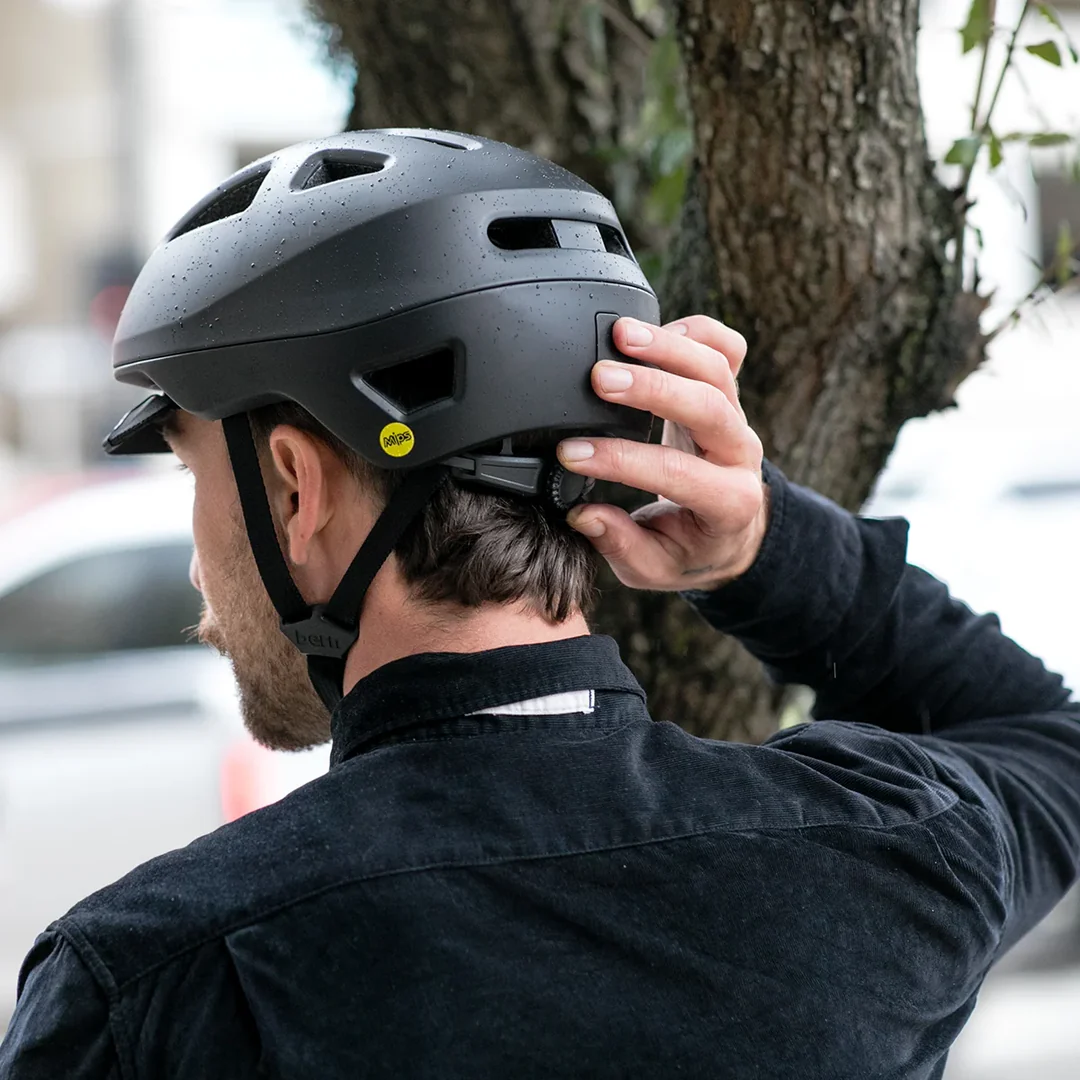
Imagine hitting your head at an angle; your skull stops abruptly, but your brain can continue to rotate within, causing shearing and stretching of delicate brain tissues. This understanding led to a revolution in helmet design, moving beyond simple impact absorption to actively managing these complex rotational energies.
Understanding Rotational Impact Protection: Beyond the Basics
Modern helmet safety technologies are designed specifically to mitigate rotational forces. These innovations add a crucial layer of protection, significantly reducing the risk of severe brain injuries.
MIPS: The Multi-directional Impact Protection System
Perhaps the most recognized of these innovations is the Multi-directional Impact Protection System, or MIPS. This technology integrates a thin, low-friction layer, often recognizable by its yellow badge, directly beneath the helmet’s padding. In the event of an oblique impact, this MIPS layer allows the helmet to slide a crucial 10-15 millimeters relative to the head. This controlled movement redirects and dissipates rotational energy that would otherwise be transferred directly to the brain, dramatically reducing strain on brain tissue. Many top-rated helmets now feature MIPS or its advanced variations like MIPS Spherical, which essentially acts as a “ball-and-socket” design, or MIPS Air Node, integrated seamlessly into the padding.
KinetiCore: Lazer’s Integrated Safety
Another prominent player in rotational impact protection is Lazer’s KinetiCore technology. Instead of an added layer, KinetiCore is a built-in system of controlled crumple zones within the helmet’s EPS foam. These unique blocks are designed to deform and absorb both direct and rotational forces upon impact, offering integrated protection without adding significant bulk or weight. Helmets like the Lazer Tonic KinetiCore have received high praise for their safety performance and affordability, proving that top-tier protection is becoming more accessible.
RLS: The Release Layer System
Emerging technologies continue to push the boundaries of safety. For instance, the Release Layer System (RLS), found in helmets like the Canyon Deflectr and HEXR Miden, introduces an even more sophisticated approach. This system can utilize a layer of ball bearings or similar mechanisms that enable the helmet’s outer and inner shells to move over one another with minimal resistance during an impact. Canyon claims their RLS technology can reduce rotational forces by up to 65%, significantly lowering the risk of concussion.
The Gold Standard: Virginia Tech Helmet Safety Ratings
While manufacturer claims and basic certifications are important, independent testing provides an unbiased, scientific assessment of helmet safety. The Virginia Tech Helmet Safety Ratings program stands out as the industry’s most respected independent evaluation. This system meticulously assesses each helmet’s ability to reduce both linear acceleration and rotational velocity across a wide array of impact scenarios, closely mirroring real-world crashes.
Helmets are assigned a STAR (Summation of Tests for the Analysis of Risk) value, and then rated on a convenient 1-to-5 star scale, with 5 stars indicating the highest level of protection and the lowest concussion risk. A lower STAR value within the 5-star category signifies even better performance. When seeking the safest bike helmet, always look for models that have achieved a 4 or 5-star rating from Virginia Tech. This rigorous testing goes beyond standard certification by specifically including oblique impacts, which are frequently the cause of serious brain injuries.
Top Contenders for the Safest Bike Helmets (2025 Focus)
The market for safest bike helmets is constantly evolving, with manufacturers integrating the latest technologies to offer superior protection. For 2025, several helmets consistently stand out in independent safety ratings and expert reviews for their exceptional protective qualities:
- POC Cytal MIPS: Often hailed as one of the safest road bike helmets, the POC Cytal, particularly with MIPS, consistently scores top marks in Virginia Tech’s rankings, balancing safety with performance and cooling.
- Giro Aries Spherical: This helmet leverages Giro’s MIPS Spherical technology, which uses a unique ball-and-socket design to redirect impact forces. It’s a 5-star rated helmet known for its advanced safety features and comfortable fit.
- Canyon Deflectr RLS / HEXR Miden RLS: These mountain bike helmets have made headlines with their innovative Release Layer System, utilizing ball bearings to achieve exceptionally low STAR values in Virginia Tech’s mountain bike helmet safety ratings, placing them at the very top for rotational impact reduction.
- Lazer Tonic KinetiCore: A fantastic option that proves high safety doesn’t always come with a sky-high price tag. It boasts a 5-star Virginia Tech rating thanks to its integrated KinetiCore crumple zones, offering excellent protection for everyday road riding.
- Smith Trace Mips: A strong performer in impact testing, particularly for road cycling, offering a blend of protection, comfort, and adjustability.
- Specialized Ambush 2: For mountain bikers, the Specialized Ambush 2 excels in impact test results, providing robust protection along with great ventilation.
When considering a purchase, remember to check current ratings and reviews, as new models and technologies are always emerging.
|
Our Picks for the Best Bike Helmet in 2026
As an Amazon Associate I earn from qualifying purchases.
|
||
| Num | Product | Action |
|---|---|---|
| 1 | 80SIX Triple Certified Multisport Helmet - Ideal for Bike, Scooter, Skateboard, Roller Skate and Inline Skate |

|
| 2 | Schwinn Thrasher Helmet for Adults, Size 58-62 cm for Riders Ages 14+, Microshell, Adjustable Dial & Straps, Interior Padding, Air Vents, Lighted or Unlit, Visor, Adult Bike Helmet |
|
| 3 | Retrospec Dakota Adult Bike Helmet for Men & Women - Multi-Sport Protection with ABS Shell, EPS Foam, 10 Vents & Removable Washable Padding for BMX, Skating, Scooter and Skate - Helmets for Adults |
|
| 4 | Retrospec Lennon Adult Bike Helmet with LED Safety Light Adjustable Dial & Removable Visor - Adjustable Bicycle Cycling Helmet for Men & Women |
|
| 5 | Kids Bike Helmet, Adjustable and Multi-Sport, from Toddler to Youth, 3 Sizes |
|
| 6 | XNITO Bike Helmet with LED Lights - Urban Bicycle Helmet for Adults, Men & Women - CPSC & NTA-8776 Dual Certified - Class 3 E-Bikes, Scooters, Onewheel, Commuter, Mountain |
|
| 7 | Giro Isode MIPS |
|
| 8 | 80SIX Triple Certified Multisport Helmet - Ideal for Bike, Scooter, Skateboard, Roller Skate and Inline Skate |
|
| 9 | Findway Pro Bike Helmet for Adults,Adjustable Cycling Helmet for Men & Women [Safety Certified] Bicycle Helmet for Commuting, Road Biking, Skating with Adjustable Dial |
|
| 10 | Exclusky Bike Helmet Mountain Bike Helmet for Adults Lightweight MTB Cycling Helmet for Men Women Adjustable Bicycle Helmet with Visor |
|
Choosing Your Safest Bike Helmet: More Than Just a Rating
While safety ratings and advanced technologies are critical, the “safest bike helmet” for you also depends on other crucial factors.
Fit is King
A helmet, no matter how technologically advanced, can only protect you if it fits correctly. An ill-fitting helmet can shift during an impact, compromising its protective capabilities.
- Measure Accurately: Use a flexible tape measure to find your head’s circumference, typically about two fingers above your eyebrows and around the widest part of your head. Consult manufacturer size guides.
- Try Before You Buy: Head shapes vary, so trying on several brands and models is crucial to find one that feels snug and comfortable without pressure points.
- Retention Systems: Modern helmets feature sophisticated retention systems (often a dial at the back, like BOA systems) that allow for fine-tuning the fit, ensuring the helmet stays securely in place. The chin strap should be snug but comfortable, with no more than two fingers fitting underneath.
Riding Style and Specific Needs
Your type of cycling dictates specific helmet requirements:
- Road Cycling: Often prioritizes aerodynamics, light weight, and ample ventilation, while still integrating rotational protection.
- Mountain Biking: Requires more robust coverage, especially at the back and sides, and a visor for sun and debris protection.
- Commuting/Urban Cycling: May prioritize visibility (integrated lights), style, and ease of use, alongside core safety features.
- E-Bikes: With generally higher average speeds, some emerging standards like NEN’s NTA 8776 specifically address the increased impact energies associated with e-bike use.
Ventilation, Comfort, and Weight
The safest bike helmet is one you’ll actually wear consistently.
- Ventilation: Well-designed vents and internal channeling are crucial for keeping your head cool, especially on long rides or in hot climates.
- Comfort: Padding, strap design, and overall ergonomics contribute to comfort, making you forget you’re even wearing a helmet. Removable and washable padding is a plus.
- Weight: While safety is primary, a lighter helmet reduces neck strain and can enhance overall riding enjoyment, particularly for performance-oriented cyclists.
Budget Considerations
Higher-priced helmets often incorporate more advanced technologies, lighter materials, and superior ventilation. However, many mid-range helmets now offer excellent safety features, including MIPS or similar systems, with high Virginia Tech ratings. Don’t compromise on safety, but know that a high price tag isn’t always directly proportional to a helmet’s baseline safety effectiveness, as all certified helmets must meet a minimum standard.
Maintaining Your Helmet’s Safety
Even the safest bike helmet has a finite lifespan and its effectiveness can be compromised over time.
When to Replace Your Helmet
- After Any Impact: This is the golden rule. If your helmet has sustained an impact, even a seemingly minor one, it must be replaced immediately. The EPS (Expanded Polystyrene) foam, which is critical for absorbing impact energy, compresses and can lose its protective capabilities, even if visible damage is minimal. The helmet has done its job once; it might not do it again.
- Every 3-5 Years: Most manufacturers recommend replacing your helmet every three to five years. Over time, factors like UV exposure can weaken the plastic shell, and minor knocks and bumps from everyday storage (EPS volume loss) can degrade the foam, compromising its integrity.
- Signs of Wear: Check for cracks, dents, or faded materials. If the straps are frayed, or the retention system is no longer functioning properly, it’s time for a new one.
Proper Care and Storage
Store your helmet in a cool, dry place away from direct sunlight and extreme temperatures, which can accelerate material degradation. Clean it regularly with mild soap and water, avoiding harsh chemicals that could damage the shell or foam. Treating your helmet with care ensures it performs optimally when you need it most.
Expert Insight
“The landscape of bicycle helmet safety has transformed dramatically. We’ve moved from merely protecting against direct trauma to actively mitigating the complex rotational forces that lead to the most severe brain injuries,” says Dr. Amelia Velo, a biomechanical engineer specializing in sports safety. “My advice to any cyclist is to always prioritize a helmet with independently verified rotational protection technology, like MIPS or KinetiCore, and to regularly consult ratings from institutions like Virginia Tech. Your brain deserves nothing less than the best, most current protection available.”
Frequently Asked Questions (FAQ)
What makes a bike helmet “safe”?
A bike helmet is safe when it meets recognized national or international safety standards (like CPSC or EN 1078) and ideally incorporates advanced rotational impact protection technologies such as MIPS, KinetiCore, or RLS. Its fit is also paramount; a helmet that fits correctly is significantly safer.
Is MIPS technology essential?
While not legally mandated everywhere, MIPS (or similar rotational protection systems) is highly recommended. Statistics show that most impacts in cycling crashes are oblique, generating dangerous rotational forces. MIPS significantly reduces these forces, offering a crucial layer of protection against concussions and serious brain injury.
How often should I replace my bike helmet?
You should replace your bike helmet immediately after any impact, even if there’s no visible damage. Additionally, most manufacturers recommend replacing helmets every three to five years due to material degradation from UV exposure, minor bumps, and general wear and tear that can compromise the EPS foam’s effectiveness.
Do more expensive helmets offer better safety?
Not necessarily “better” baseline safety, as all certified helmets meet minimum standards. However, more expensive helmets often incorporate lighter materials, superior ventilation, enhanced comfort features, and the latest advanced safety technologies (like MIPS Spherical or RLS) that can offer a higher level of protection against various impact types, especially rotational forces.
Can I use a road helmet for mountain biking?
While some road helmets offer excellent general protection, dedicated mountain bike helmets typically provide more coverage for the back and sides of the head, and often include a visor, which are beneficial for the specific types of impacts and conditions encountered on trails. It’s generally best to use a helmet designed for your specific riding discipline.
Conclusion
Choosing the safest bike helmet is one of the most impactful decisions you can make for your cycling journey. It’s a blend of understanding fundamental safety standards, appreciating the innovations in rotational impact protection, and consulting independent, scientific ratings like those from Virginia Tech. Beyond the technology, remember that the perfect fit, appropriate for your riding style, and diligent maintenance are equally critical to your head’s protection. So, gear up with confidence, knowing you’ve made an informed choice for ultimate safety on every ride. Try on different models, read the latest reviews, and never compromise on the security of your most valuable asset. The road, or trail, awaits!